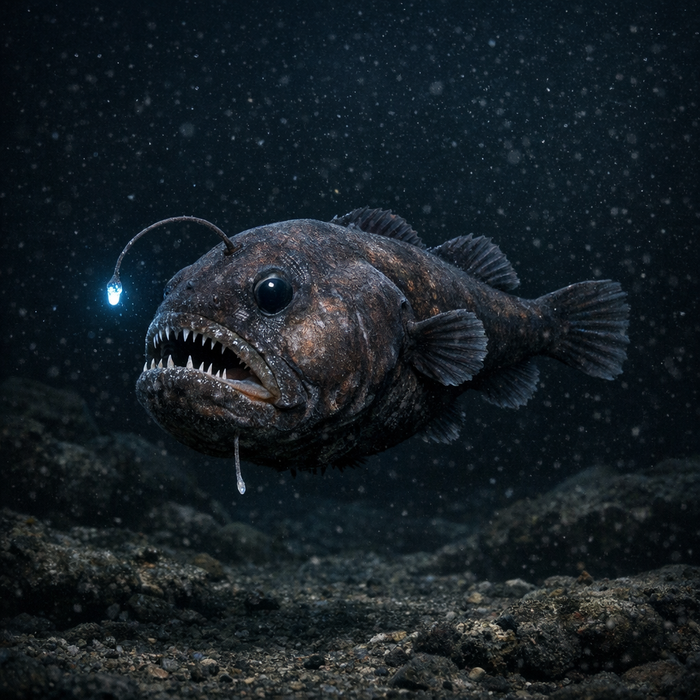
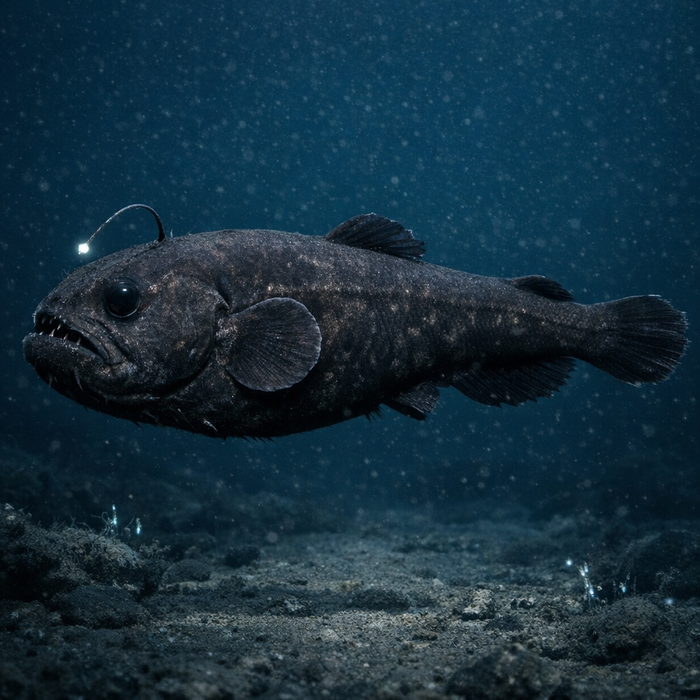
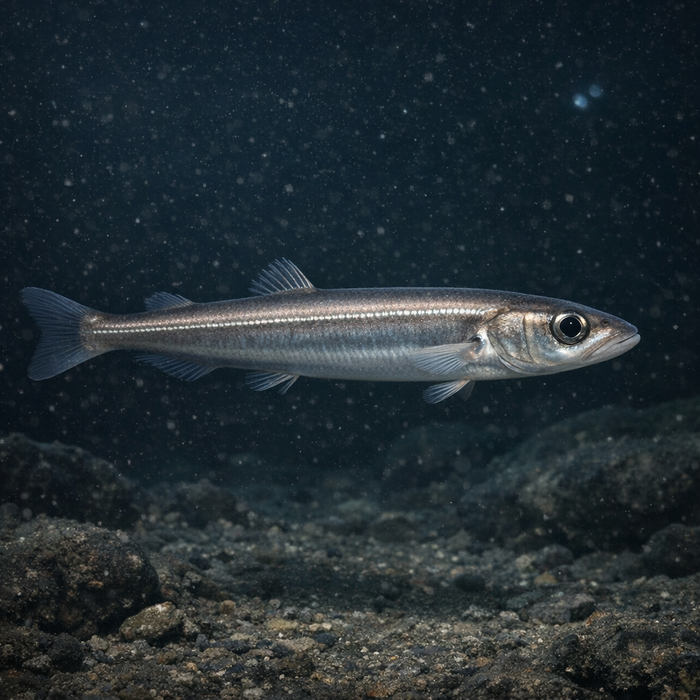
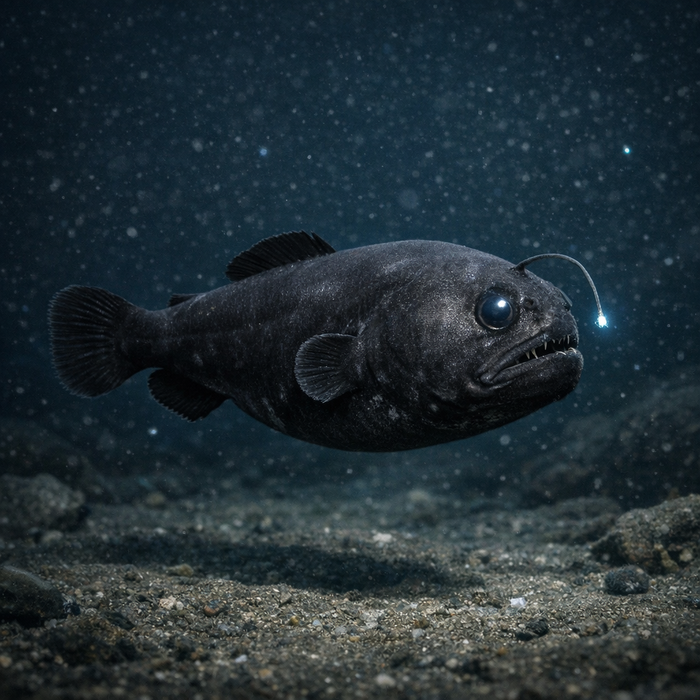
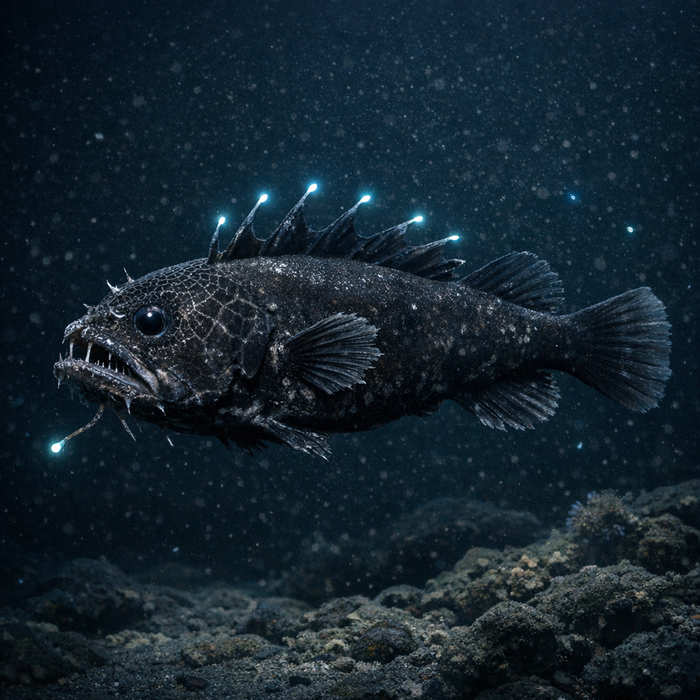
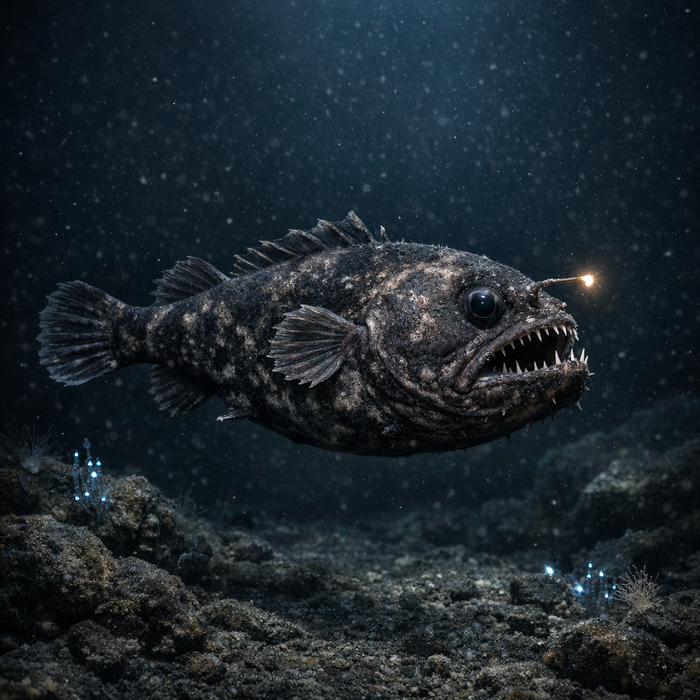
Can-Opener Smoothdream (Chaenophryne longiceps): A Bold, Memorable Hook LineIntroductionIf the ocean had a haunted tackle box, the can-opener smoothdream would be the star lure. This bathypelagic ambush artist is a pint-sized nightmare with a glowing headlight and a mouth that's more trap than face. You won't troll one up on a Saturday charter, but learning how it hunts will make you respect the physics and weirdness of the deep.What Makes the Can-opener smoothdream Unique?Start with the hardware. The can-opener smoothdream carries a built-in fishing rod, the illicium, tipped with a bioluminescent lure called the esca. In a world with no sunlight, that glow is the marketing campaign and the closing sale. Then there's the jaw. Chaenophryne longiceps lives up to its name with a long head and hinged mouth lined with recurved teeth that lock prey in like barbed wire. The body plan is pure efficiency for still-hunting, not sprinting: low-density bones, velvety black skin, and a stomach that can stretch to accommodate meals nearly its own size.Habitat & Global RangeWant Can-opener smoothdream habitat intel? Think deep. This species occupies the bathypelagic zone along continental slopes, submarine canyons, and open midwater expanses, typically well below 1,000 meters. Currents carry life out here like a conveyor belt, and the fish rides that flow, drifting and lurking more than cruising. It's globally distributed in deep ocean basins, not tied to coastlines the way most gamefish are. Encounters for humans happen almost exclusively via research gear or deep commercial bycatch. For anglers, it's pretty much a postcard from the abyss.Behavior & TemperamentThe can-opener smoothdream is the ultimate patient hunter. It floats in the dark, dangles its light, and waits. When something curious wanders close, the mouth unhinges, volume expands, and the teeth make retreat a bad plan. Bursts of speed are rare and short. As for social life, don't expect schools. Females are loners, and the males are tiny drifters that home in by scent to get their brief moment in the credits. Fight? Not really. If you ever see one on a line, it's all gravity and pressure, not brawn.Ecological ImportanceDown deep, energy is scarce. The can-opener smoothdream plays middle manager in that budget, converting small midwater critters into calories that can then move up the ladder when bigger predators score an easy meal. The bioluminescent lure is part of a massive light economy where everything glows, chases glow, or eats what chases glow. Knowing how this species slots in helps scientists read the health of dark-ocean food webs, where changes are subtle but significant.Conservation & Environmental PressuresThe species is labeled Data Deficient in many references for a reason. Sampling the deep sea is hard, expensive, and patchy. Still, pressures exist. Commercial deepwater gear can sweep up bathypelagic fauna as bycatch. Seafloor mining proposals threaten to stir up plumes that could impact midwater communities. Add warming oceans altering oxygen layers and currents, and the deck gets reshuffled in ways that rarely help specialists. We're not talking mass-targeted harvest, but incidental takes and habitat disruption matter when lifecycles are slow and mysterious.The FishyAF TakeYou won't build a weekend around catching a can-opener smoothdream, and that's fine. Treat it as a gateway fish for appreciating the abyss. This animal is a masterclass in minimalism: shine a light, sit perfectly still, and weaponize a mouth. If you crave Can-opener smoothdream facts, here's the headliner: it's proof that the ocean's weirdest gear works beautifully where most tackle fails. For anglers, the lesson is simple. The deeper you go, the more patience and precision beat speed and muscle. And in the dark, the best bait is sometimes just a little light and a lot of nerve.