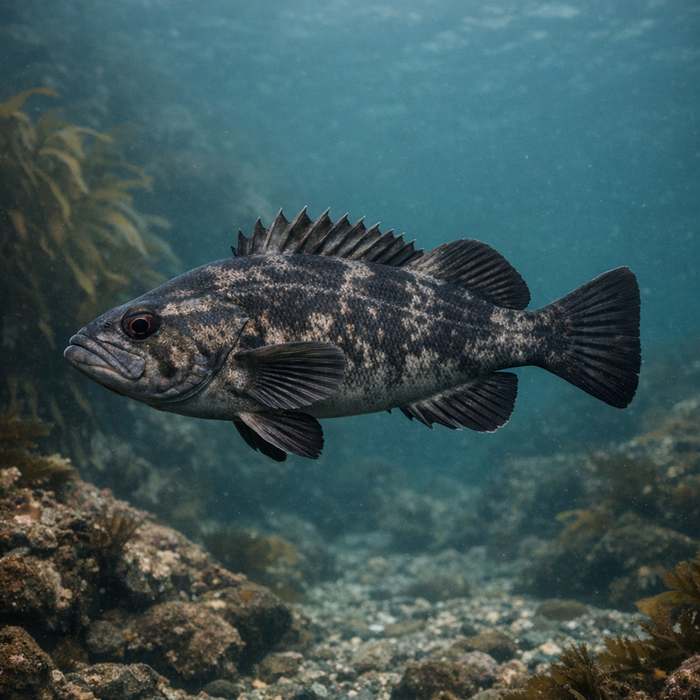
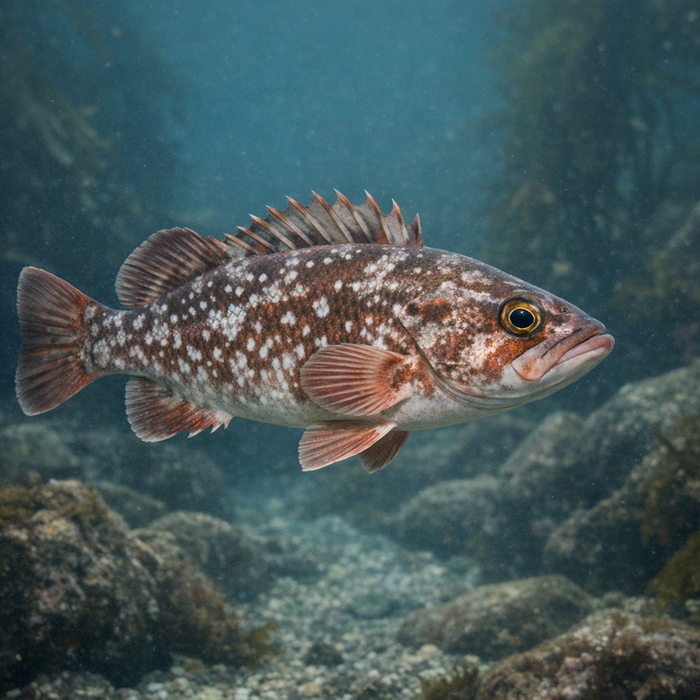
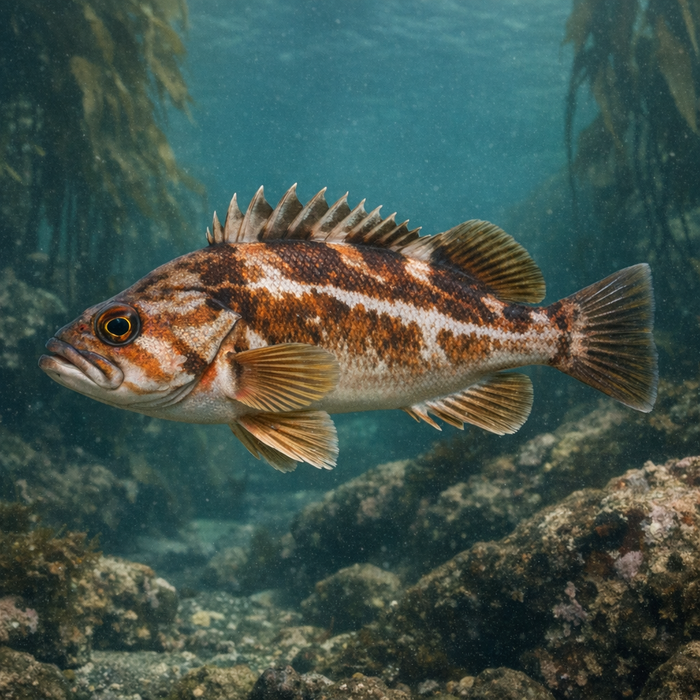
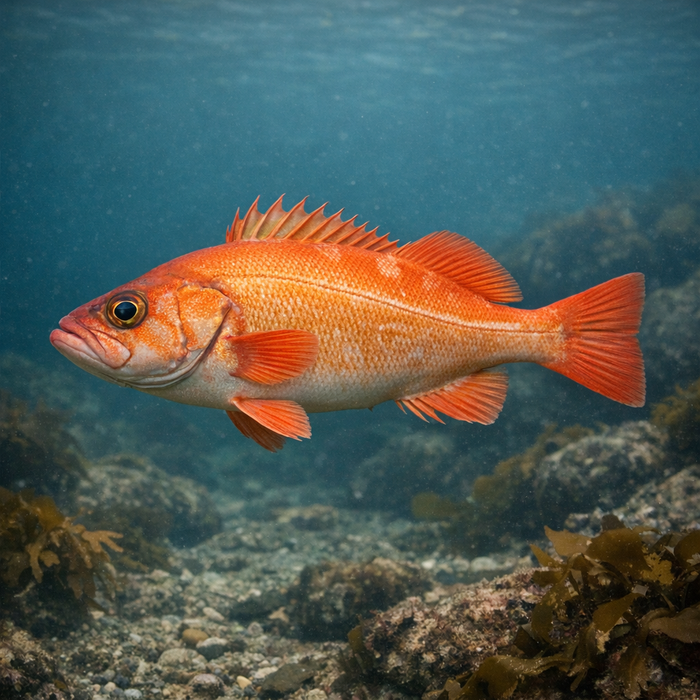
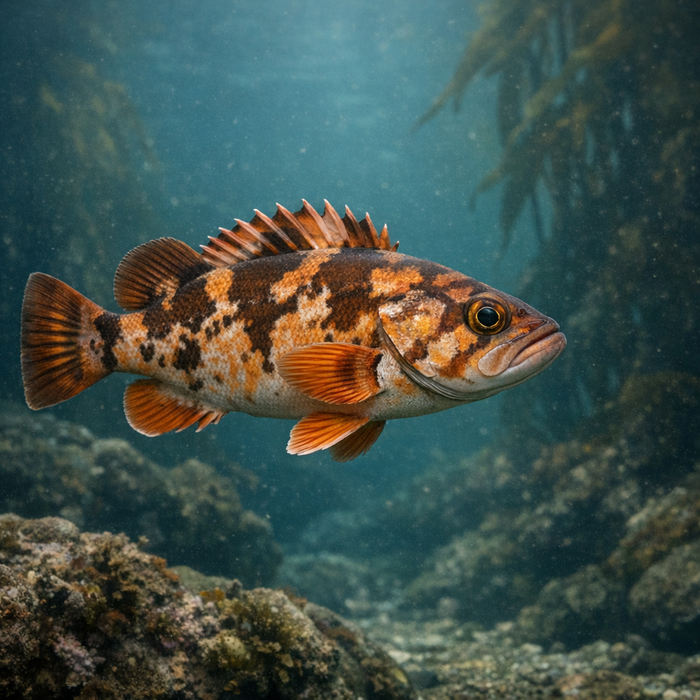
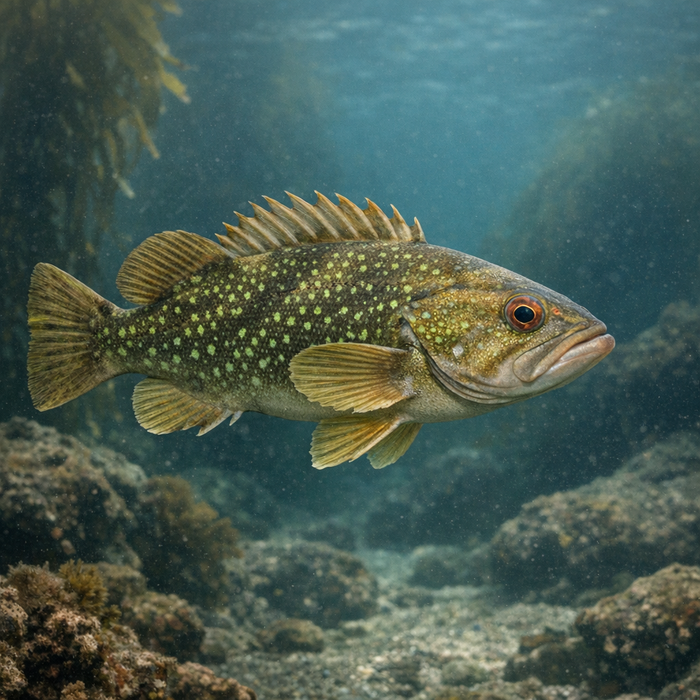
Chameleon rockfish (Sebastes phillipsi): Color-shifting reef ninja with a sting and a serious knack for ambush.IntroductionThe chameleon rockfish is the sneaky little cousin in the Pacific rockfish crew, a shape-shifting ambusher that trades bulk for brains. It's not the biggest or flashiest rockfish you'll meet, but when that mottled body fades into the rubble and your rig gets thumped, you'll remember the name. If you're hungry for legit Chameleon rockfish facts and a clean read on Chameleon rockfish habitat, saddle up.What Makes the Chameleon rockfish Unique?Start with the paint job. This fish can switch looks like it's late to a costume party, shifting from olive and mustard bars to brick-red freckles depending on background and mood. That quick-change act, driven by chromatophores in the skin, is where the "chameleon" label earns its keep. It's also a viviparous rockfish, meaning females birth live larvae rather than dropping eggs, a classic Sebastes move that still feels wild the first time you hear it. Finally, those dorsal spines aren't just décor. They're mildly venomous, so treat this pocket bruiser with respect if you value pain-free fingers.Habitat & Global RangeThink low-relief rocky reefs, scoured cobble, and mixed rock-sand flats on the Pacific coast, especially Southern California into northern Baja. The chameleon rockfish likes edges and pockets more than towering pinnacles, often holding from roughly 60 to 240 feet. It plays well with neighbors, showing up alongside greenspotted, halfbanded, and other small rockfishes where current brushes structure. Drift over a subtle patch of cobble that everyone else ignores and you're in their living room. Party boats, six-packs, and private skiffs all cross paths with chameleon rockfish while working standard rockfish drifts.Behavior & TemperamentThis fish is an ambush artist with a patient streak. It settles tight to bottom, uses that color-shifting camouflage, and pops up to inhale passing snacks with a fast suction bite. Don't expect blistering runs. Expect stubborn doggedness and a rock-hugging attitude once hooked. Chameleon rockfish will group loosely when conditions are cozy but rarely swarm in big schools. They respond well to small baits and jigs when the drift is dialed, especially during low-light windows. If surface chaos is your thing, wrong species. If subtle thumps from the neighborhood mugger are your thing, welcome home.Ecological ImportanceAs a mid-tier predator, the chameleon rockfish keeps invertebrates and small fishes honest while feeding larger predators. It's a reliable cog in the coastal food chain, plugging the gap between tiny crustaceans and bigger reef bruisers. That longevity, common in rockfishes, helps buffer the population but also means the species can be vulnerable to sustained harvest or habitat degradation. When rubble fields get smothered, trawled, or junked up, these fish lose the microstructure that makes their world turn.Conservation & Environmental PressuresManagement typically falls under broader groundfish rules on the West Coast, with depth-based seasons, area closures, and descending-device requirements aimed at protecting mixed rockfish assemblages. The chameleon rockfish doesn't headline stock assessments, but the same concerns apply: slow growth, site fidelity, and barotrauma risk. Ocean warming that shifts prey timing or oxygen levels can also shuffle the deck. The good news is that these fish stay off most nearshore trophy radars, which lowers targeted pressure. Still, smart handling and fast releases for small ones make a difference.The FishyAF TakeThe chameleon rockfish is the blue-collar bite that saves a slow drift and fills a taco plate. It's not Instagram royalty, but it punches way above its weight in attitude and mystery. Learn to love low-relief habitat, run small baits, and watch your line for that quiet pick-up. Respect the spines, carry a descending device, and don't sleep on subtle structure. Do that, and the chameleon rockfish won't be a trivia answer. It'll be your reliably sketchy friend who always shows up when the big names ghost you. That's a relationship worth keeping.