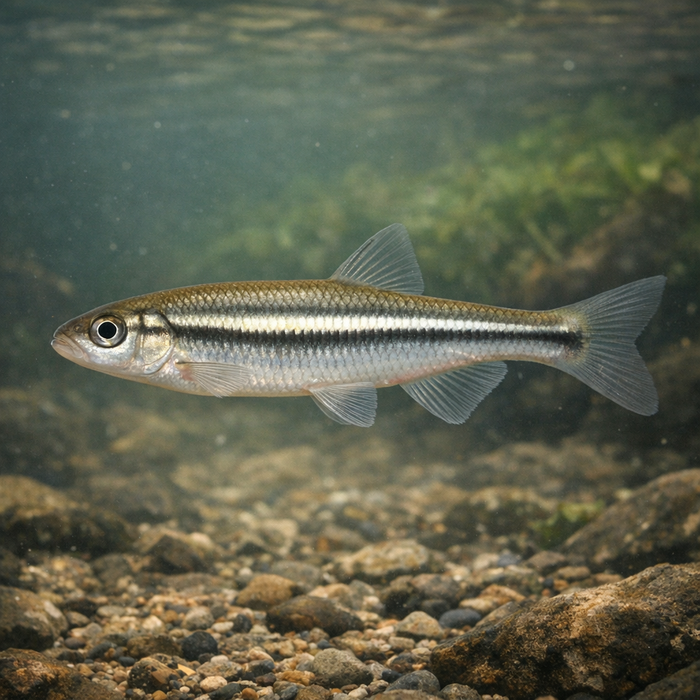
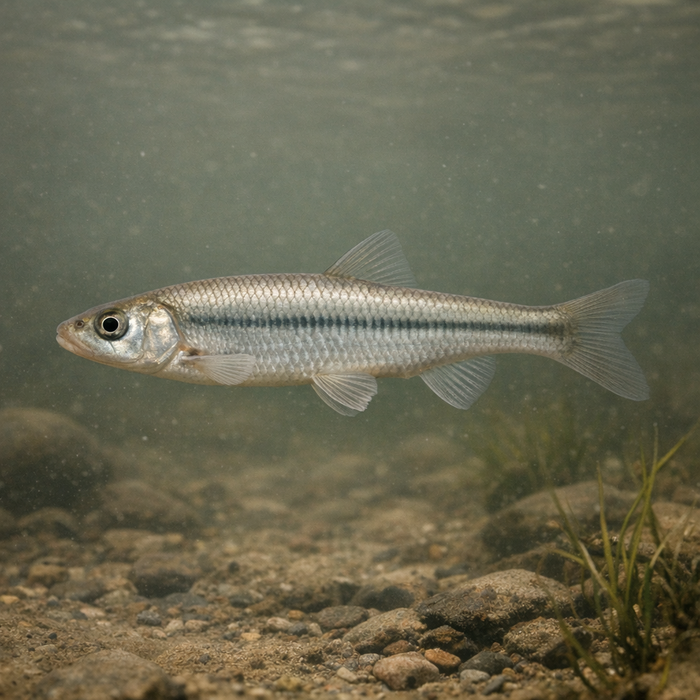
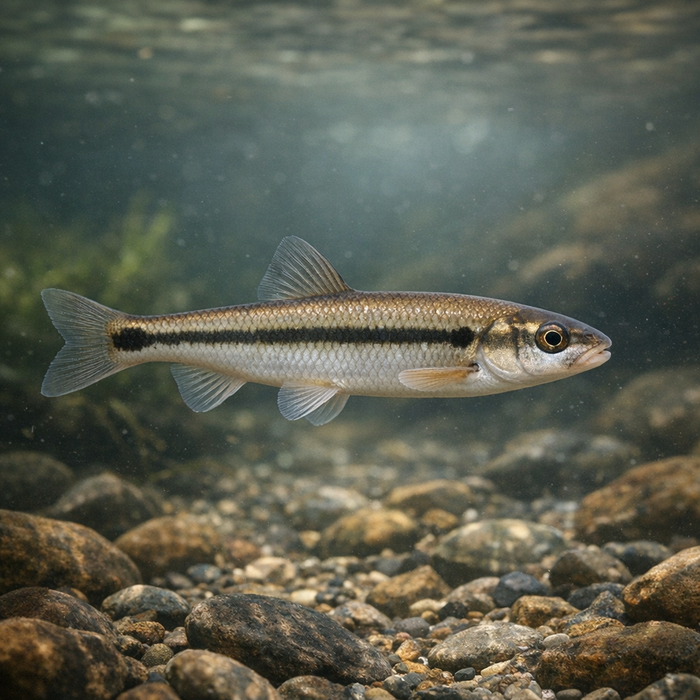
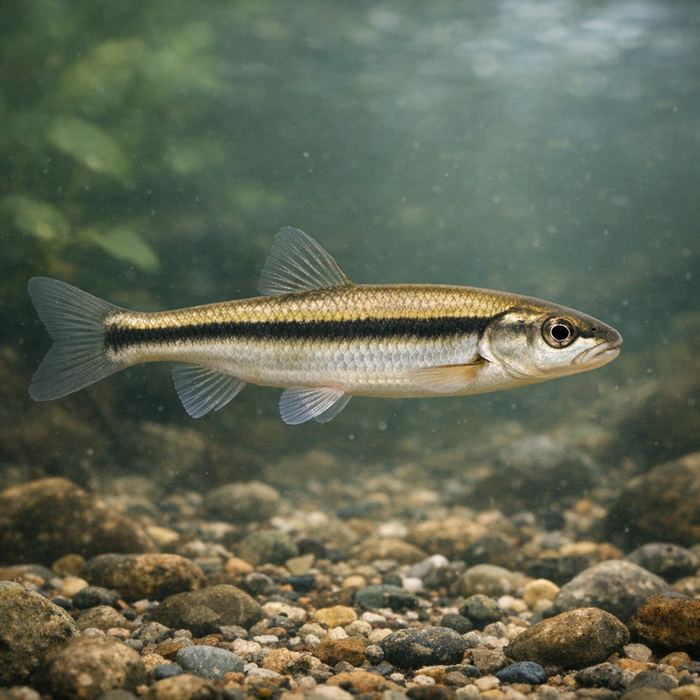
Moapa dace (Moapa coriacea): The desert minnow that basically lives in a hot tub and refuses to quit.IntroductionThis fish is a punchline only until you see it ghost through a crystal spring run like it owns the place. The Moapa dace is tiny, rare, and wired for warm water that would send trout packing. Anglers almost never encounter it on purpose, and that's by design. It's protected, precious, and weirdly charismatic once you know the story. If you're here for Moapa dace facts with a little grit, strap in.What Makes the Moapa dace Unique?First, temperature tolerance that borders on cocky. The Moapa dace operates happily in bathtub-warm spring water, and that steady heat keeps the metabolism revved all year. Second, it's the only species in its genus, a one-off desert specialist that refuses to play by standard stream-fish rules. Third, it's micro-sized but turbo-charged. Dace shoot from root mats into fast current, grab a drifting insect, then vanish before your eyes. Blink and you missed the show.Habitat & Global RangeHere's the kicker for Moapa dace habitat: the entire world for this fish is the upper Muddy River springs in southern Nevada. That's it. Springheads push out clear, mineral-rich flow that carves narrow channels shaded by palms, willows, and reeds. Cobble patches and undercut banks build ambush lanes; travertine shelves make pockets of fast current and calm water inches apart. There's no ocean, no big river migration, no wanderlust. It's the definition of hyper-local.Behavior & TemperamentThink stealthy and twitchy. The Moapa dace uses speed bursts, not endurance. They hold in seams where current feeds them a steady drift of micro-invertebrates, then tuck back under cover. Schooling is loose and practical: a few fish share the same buffet line until danger shows. Light levels matter mostly because predators do. In bright sun, they melt into shade; in softer light, they range a touch further into riffles. They're not brawlers. Hook one accidentally and you'll feel more conscience than fight.Ecological ImportanceSmall fish, big role. The dace sits at a pivot point in a thermal spring food web that runs on algae, invertebrates, and microbes with desert efficiency. By grazing and snapping up drift, it moves energy from tiny stuff to larger predators, including native fishes and birds. Because the species is sensitive to flow, temperature, and cover, its presence is a living diagnostic tool. When Moapa dace numbers look good, the spring system is usually on track. When they crash, something upstream is broken.Conservation & Environmental PressuresThe enemy list is familiar but nasty: groundwater drawdowns that reduce spring discharge, fires that scorch riparian cover, and non-native fish that pester or outcompete. Habitat fragmentation funnels dace into fewer, simpler channels where a single bad event does outsized damage. The good news is that smart restoration works. Replanting shade, removing invaders, and letting natural flow rebuild riffles can bounce numbers upward fast. That's why refuges and water managers guard these streams like crown jewels.The FishyAF TakeAs a target, the Moapa dace is a hard no. It's protected, and that protection is earned. But as a story, it's a top-shelf desert epic. If you're into microfishing, channel that energy into legal species and cheer every time restoration news bumps this fish upward. The Moapa dace doesn't need your fly; it needs your respect. And if you ever peer into a clear spring and catch that bronze flicker, count yourself lucky and let the little legend do its job.