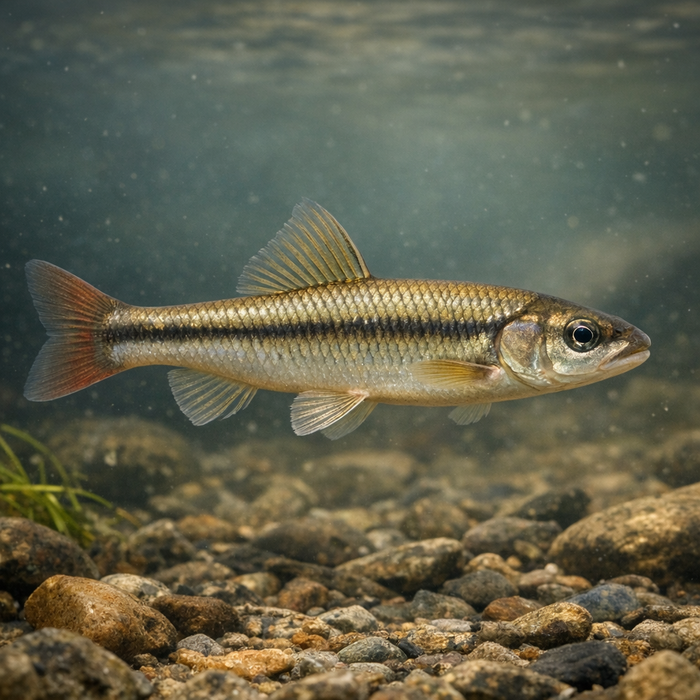
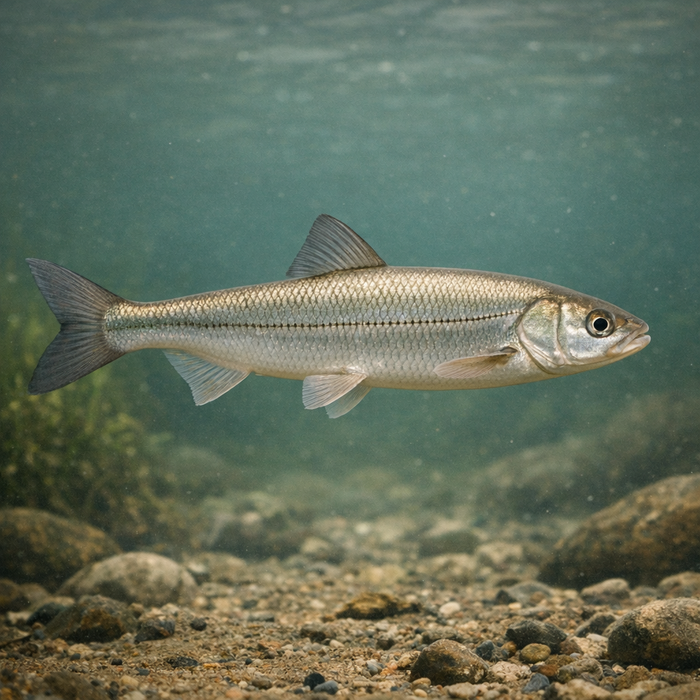
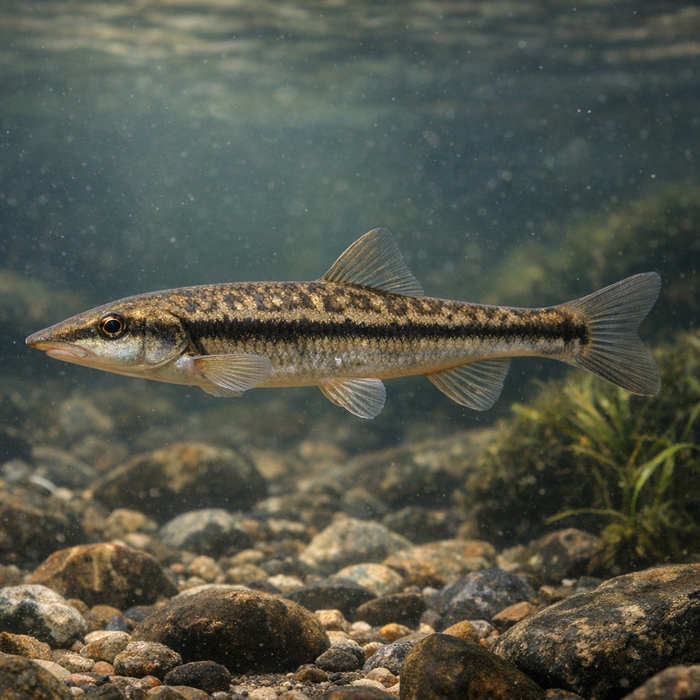
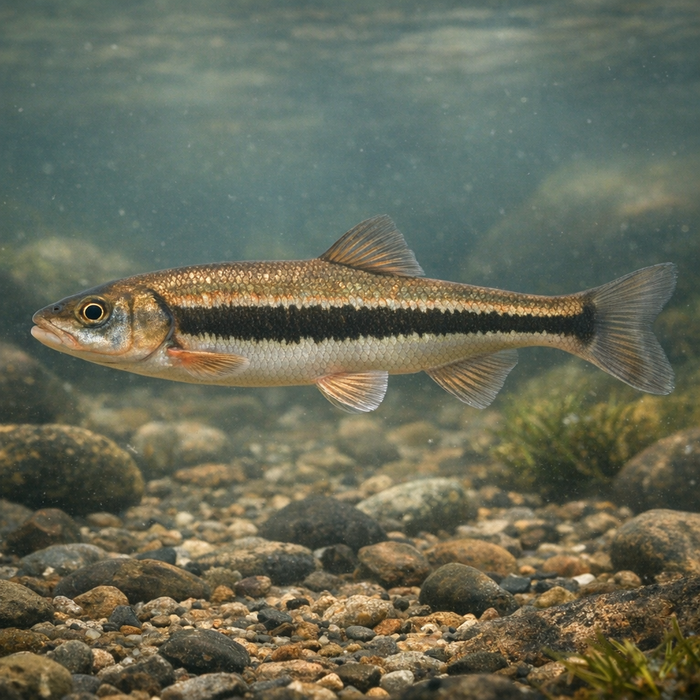
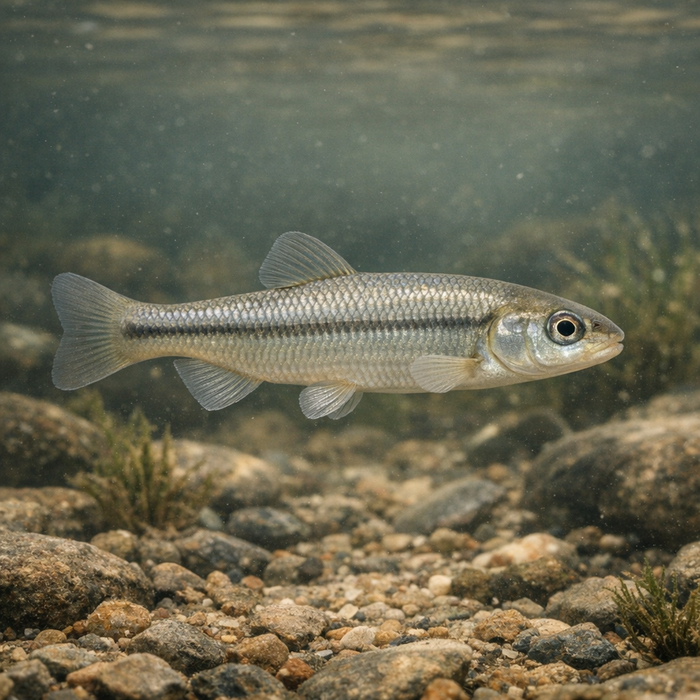
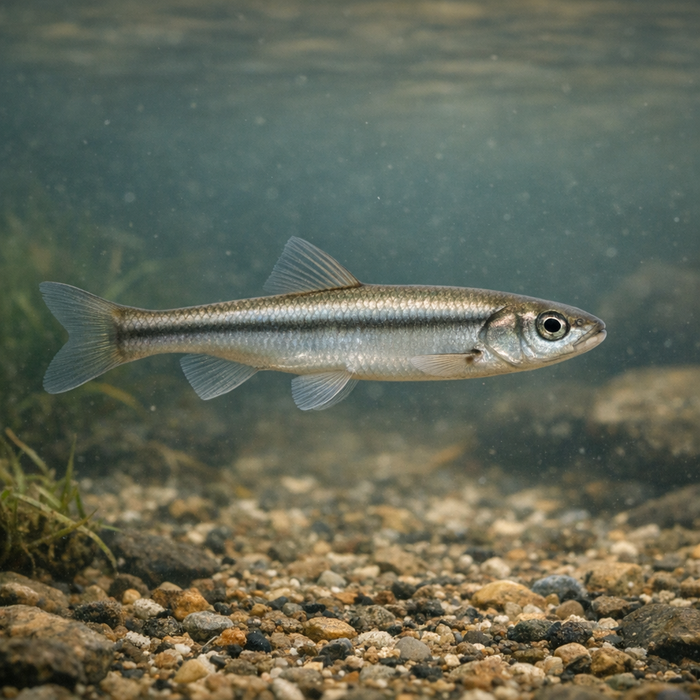
Leopard Dace (Rhinichthys falcatus): Small Fish, loud pattern, and a habit of vanishing the second you blink.IntroductionThe leopard dace is the speckled ghost of the Pacific Northwest's riffles and pools, a tiny torpedo dressed in leopard rosettes that can appear bold one second and gone the next. It isn't a classic gamefish, but it's the kind of species that hooks curious anglers on microfishing. If you want a change of pace and a little humility, this one delivers. Consider this your quick tour of leopard dace facts without the dusty textbook tone.What Makes the Leopard dace Unique?Start with the paint job. Those scattered dark spots aren't random noise; they shift in intensity as pigments expand or contract, especially during spawning when males light up and sprout fine, sandpapery tubercles. Add the dace blueprint: a slender, streamlined body built for darting, braking, and side-slipping through current lines. Finally, scale check: they max out at just a few inches, which sounds small until you try to fool one in bright water on threadlike tippet.Habitat & Global RangeWhen anglers talk leopard dace habitat, they're talking cool, clear waters anchored by cobble and gravel. Think riffles feeding into knee-deep runs, pools with a clean bottom, and edges where current softens. They hang around river systems that still breathe with seasonal flows, where shifting stones leave gaps perfect for eggs and micro-invertebrate buffets. You'll run into them across parts of the Columbia River basin and connected drainages, with populations coming and going depending on how friendly the local geology and hydrology remain. Lakes and reservoirs with tributary flow can support them too, especially where inlets deliver oxygen and insects.Behavior & TemperamentLeopard dace are energy misers and sprinters, not cruisers. They stage in small schools, then burst forward to intercept drifts, dropping back into the shadows when the party's over. In winter they stack in deeper water, slowing the roll until temperatures rise. Come spring, they rally in riffles and shallow margins, pairing up as males vibrate beside females and scatter adhesive eggs between stones. Call them cautious optimists: they'll crush a perfectly placed morsel but bolt from sloppy presentations or clumsy footsteps.Ecological ImportanceTiny does not mean trivial. Leopard dace move calories through the river like conveyor belts, converting aquatic insects into fish protein that feeds larger trout, sculpin, birds, and mammals. Their spawning habit of tucking eggs into gravel ties them to the same clean-substrate needs that salmonids rely on, which makes them quiet indicators of watershed health. Lose the cobble, load the silt, and you don't just lose leopard dace; you lose the whole current of life that runs through these systems.Conservation & Environmental PressuresThey don't read regulations, but they feel the consequences. Siltation from poor land use packs the spaces between stones and suffocates eggs. Warm runoff and low summer flows shrink viable habitat. Barriers isolate pockets of fish and block natural recolonization after drought or fire. Introduced predators can also tilt the balance for a species that survives by speed, camouflage, and numbers. The takeaway: protect cold, connected water with clean gravel and healthy riparian cover, and the leopard dace keeps right on flickering through the current.The FishyAF TakeThis fish is a litmus test for your river etiquette. If you stomp, splash, and throw rope-thick leaders, the leopard dace will clown you all day. Approach softly, downsize everything, and stay patient. You'll start seeing patterns in the flow and in the fish that most anglers miss. That's the secret prize with micro species like this: they sharpen your river game. Nail a few and suddenly your trout presentations improve too. That, more than anything on a score sheet, is the best of the leopard dace facts.