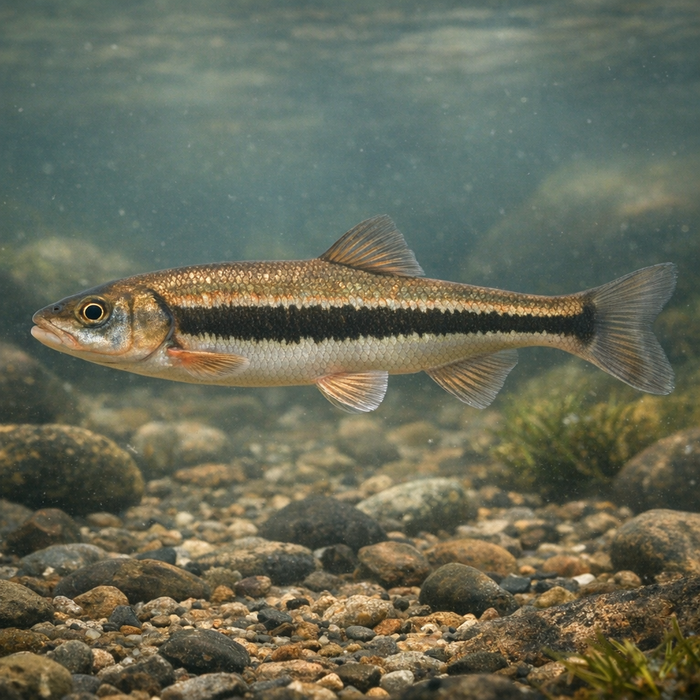
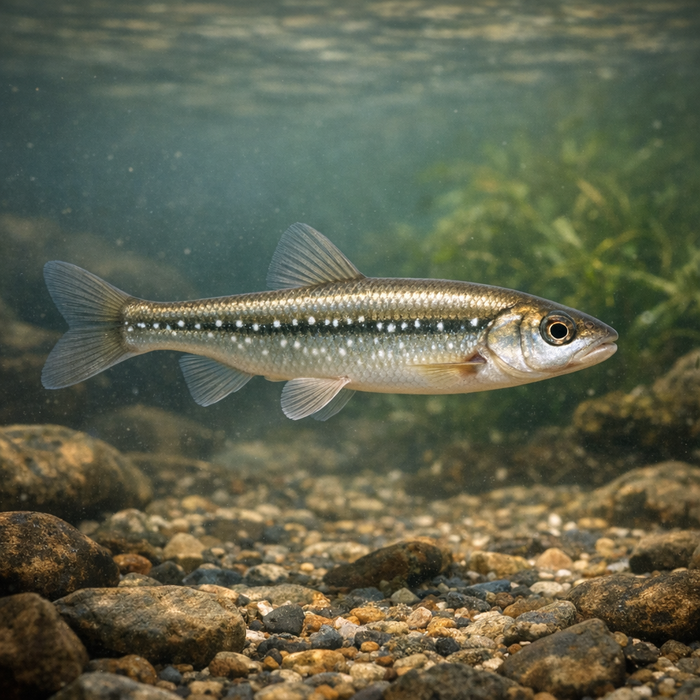
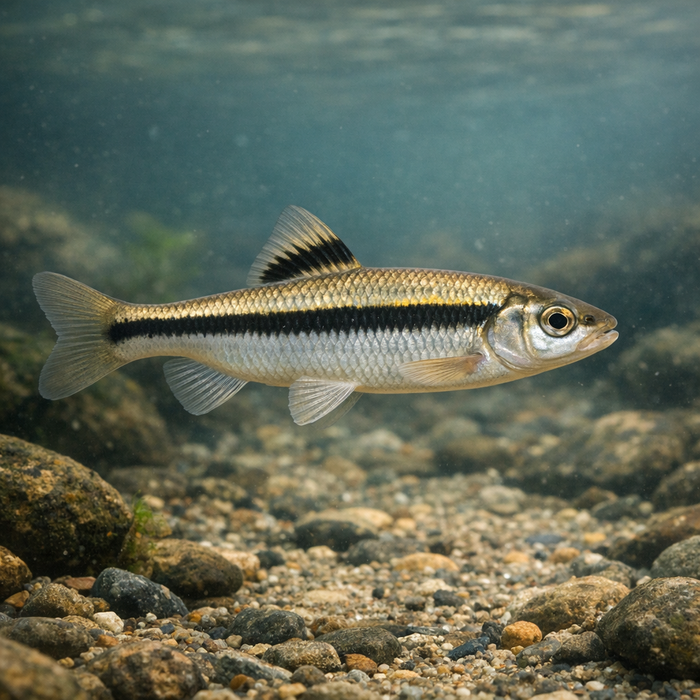
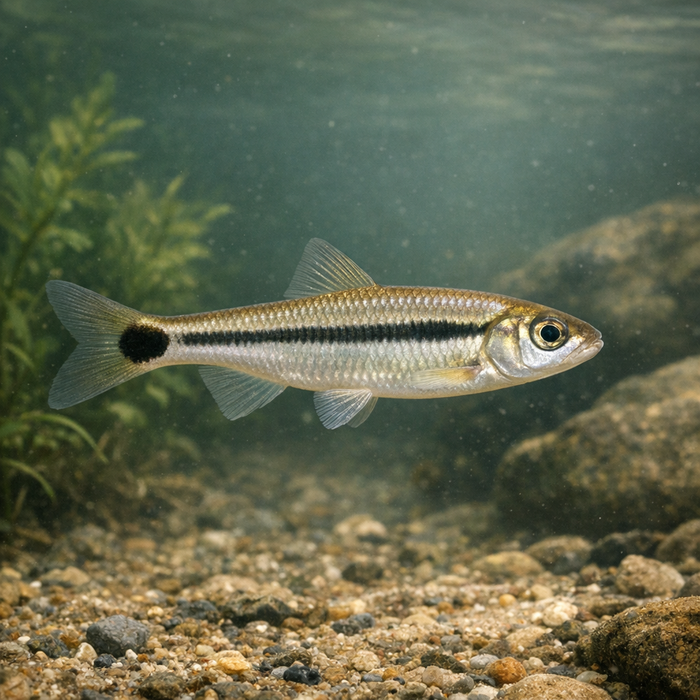
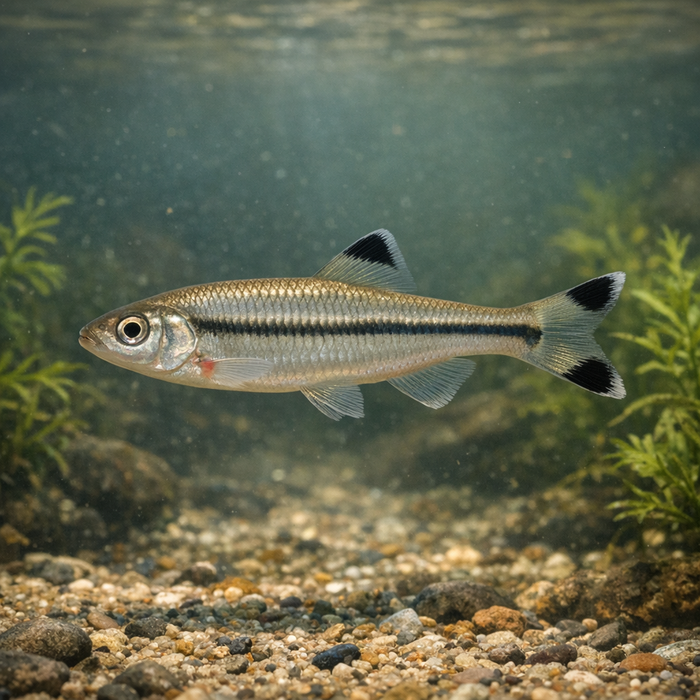
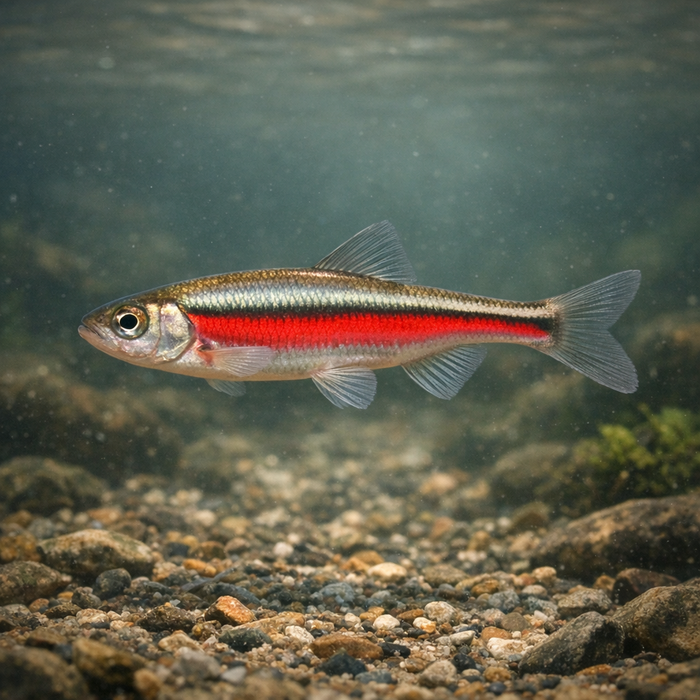
Hitch (Lavinia exilicauda): A Bold, Memorable Hook LineIntroductionThe hitch is the low-key local you overlook until spring hits and entire creeks start glittering. This California native isn't flashy like a bass or moody like a trout, but when the timing's right, it turns quiet drainages into moving silver. If you want Hitch facts from an angler's angle, start with this: the game is all about windows. Miss the window, miss the fish.What Makes the Hitch Unique?Two standout traits define the hitch. First, it's a one-fish genus. Lavinia has exactly one member, and this is it. Second, its lifestyle is a seasonal flip: lake cruiser most of the year, migration sprinter when spring flows and temperatures line up. That switch throws huge numbers into skinny water for a short, chaotic burst. Anglers who hunt patterns and timing more than hero casts will appreciate this species' vibe.Habitat & Global RangeLet's keep the Hitch habitat story straight: this fish is California through and through. You'll encounter hitch in lowland lakes, sloughs, and connected tributary creeks, especially in waters tied to the Clear Lake system and other Central Valley drainages. They like gentle gradients, soft bottoms, and a mix of still and slow water where plankton and small invertebrates are on tap. In lakes, adults roam midwater and nearshore zones. In spring, they run tributaries to spawn, using rising flows to move, then sliding back downstream as water drops.Behavior & TemperamentHitch are schoolers. In lakes they drift and graze, mouth down, quietly vacuuming plankton and small critters. During spring, they organize like a marching band and push upstream, then hold in pools, riffles, and eddies. They're not bulldog fighters, but on ultralight tackle they're fun, and surface sipping can look downright trouty during dense plankton hatches. Aggression is moderate at best; gentle presentations usually outperform flash and splash.Ecological ImportanceThe hitch is more than an oddball minnow. Its spring migrations deliver energy from lakes back into tributaries, feeding birds, otters, and the whole creek-side food chain. Juveniles drifting downstream become bite-sized protein packets for predators. In lakes, adults help process plankton blooms, a small but steady nudge toward balance. Remove hitch from the mix and both lake and creek lose a seasonal gear.Conservation & Environmental PressuresSome hitch populations have been hammered by altered flows, blocked tributaries, and extended droughts that turn spring runs into stranded puddles. The Clear Lake hitch is even recognized as a distinct form with added protections. Warm water isn't a dealbreaker for hitch, but poorly timed water releases are. When spring pulses vanish, spawning windows slam shut. As always, check regulations: rules can change quickly, especially where conservation is the priority.The FishyAF TakeThe hitch is a timing fish. You don't muscle it; you meet it where and when it shows. If you like tidal calendars and moon charts, you'll love chasing the spring run. If you demand drag-scorching battles, look elsewhere. But if you appreciate a subtle, seasonal pattern with real ecological heart, the hitch delivers. It's local, it's quirky, and when the creek turns silver, it's one of the best shows in freshwater.