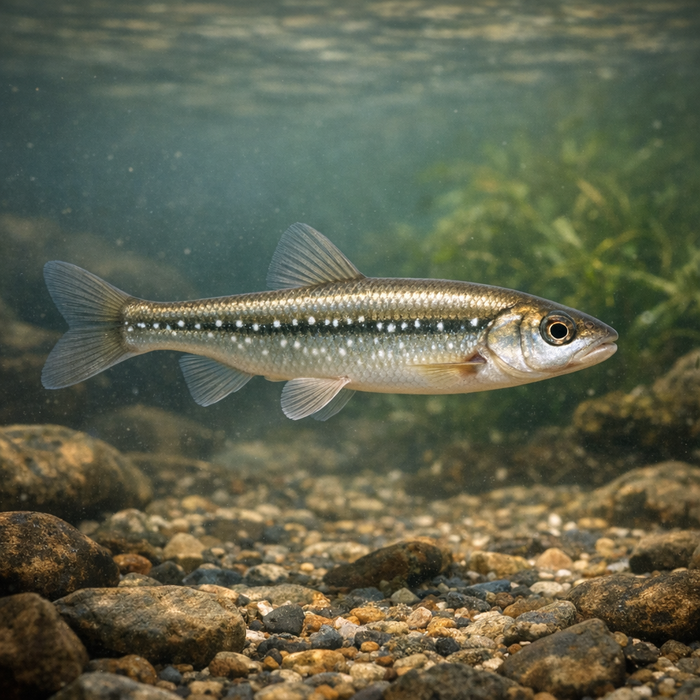
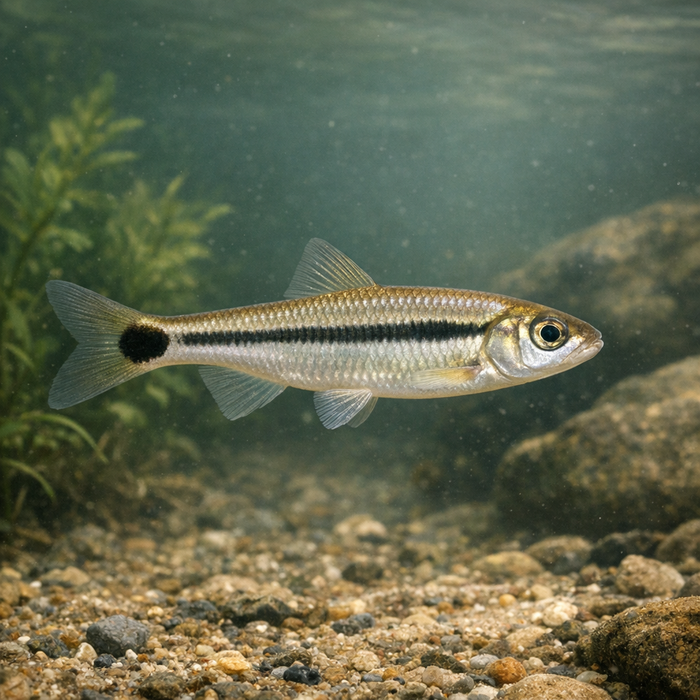
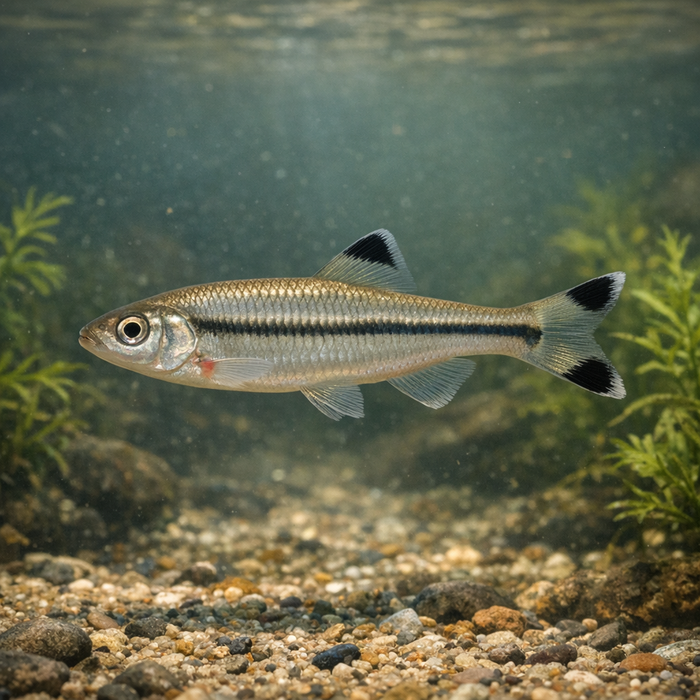
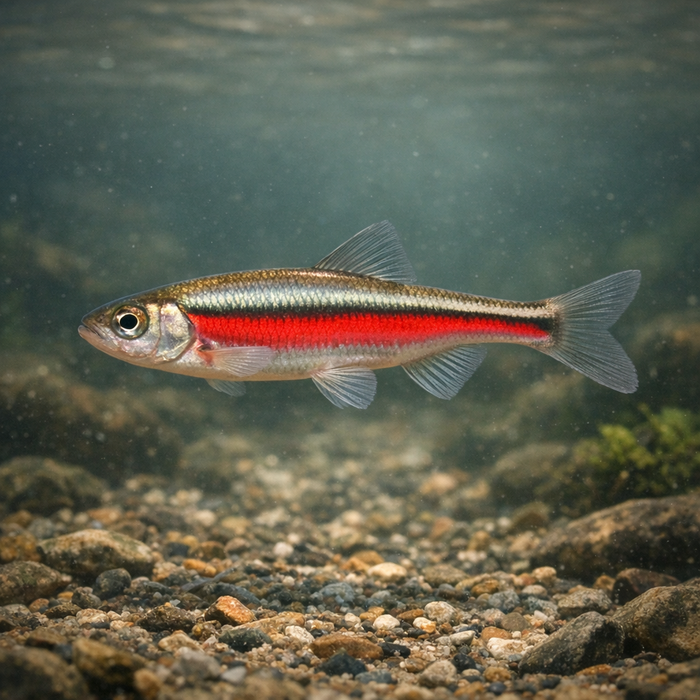
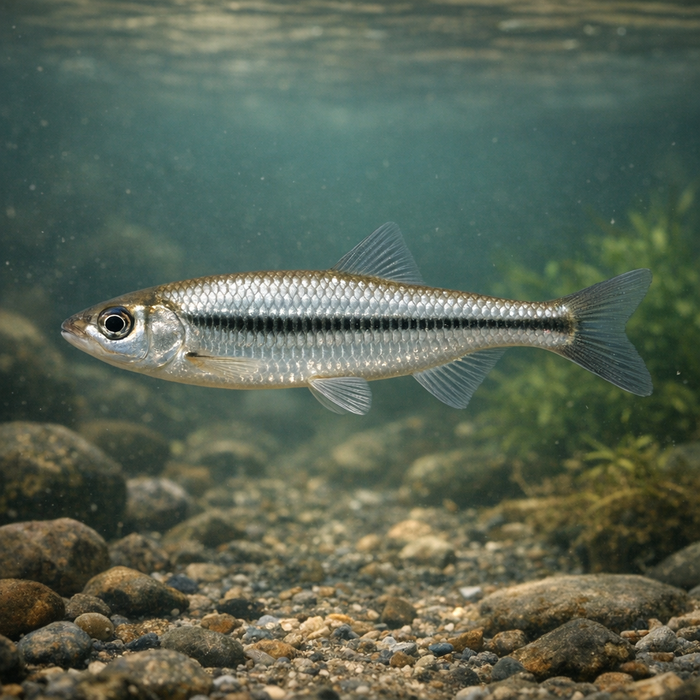
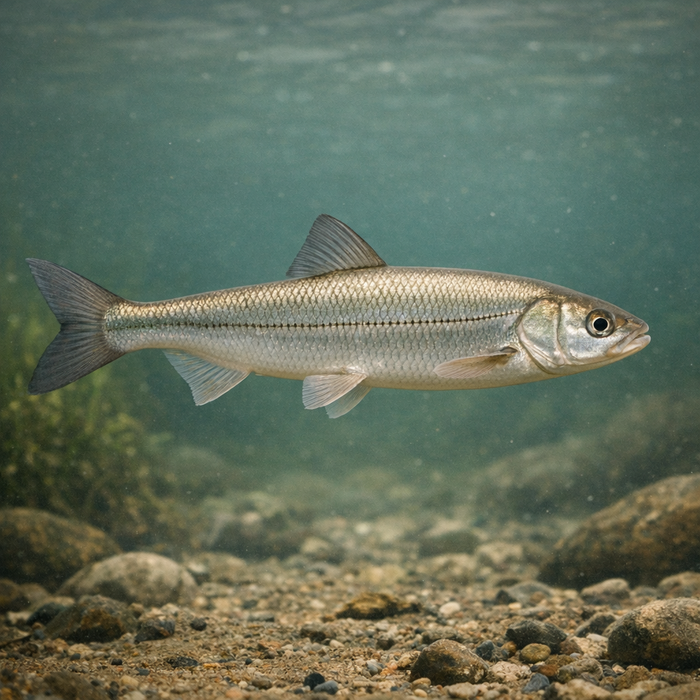
Bandfin Shiner (Luxilus zonistius): Small Fish, Big StyleIntroductionThe bandfin shiner is proof that you don't need length to bring swagger. This little cyprinid from the southeastern U.S. rocks bold fin bands, chrome-bright scales, and a schooling game that turns riffles into glitter shows. If you're into microfishing, stream exploring, or just geeking out on weirdly charismatic minnows, the bandfin shiner deserves a spot on your shortlist of creek celebrities. Consider this your one-stop for real Bandfin shiner facts and field-ready intel.What Makes the Bandfin shiner Unique?First, the namesake bands. Breeding males throw hard black edges on the dorsal and anal fins that look like crisp pinstripes. Pair that with orange-red fin highlights and you've got a fish that punches way above its weight in the style department. Second, texture: during peak spawn they sprout abrasive little tubercles on the snout, turning courtship jousts into sandpaper shoves. Third, the classic Luxilus look: scales outlined with dark crescents create a subtle crosshatch, giving the bandfin shiner a built-in graphic design even when it's not dressed to impress.Habitat & Global RangeLet's talk bandfin shiner habitat. This species is a Piedmont and upland-plain specialist, thriving in clear, swift streams with gravel and small cobble. Think shoals, pool tails, and steady runs where the current hums but doesn't rip your waders off. It's a Southeastern native, anchored in drainages like the Chattahoochee-Flint system and Coosa-Tallapoosa, plus neighboring Piedmont rivers. You'll also spot them in flow-connected ponds and small impoundments if the water stays clear and oxygenated. Silt and stagnant backwaters? Hard pass. They want clean, moving water and structure that sifts and polishes gravel.Behavior & TemperamentBandfin shiner schools cruise the water column like a single nervous system. One twitch, the whole squad pivots. They feed by opportunism and timing: grazing biofilm and nipping tiny invertebrates, then shifting to drift-feeding when current delivers bug buffets. Spawning is a social event with a cheat code: they often deposit eggs on gravel nests constructed by larger chubs, a savvy bit of outsourcing that boosts egg survival. During the spawn, males stake tiny territories, flare those banded fins, and try to bulldoze rivals with tubercled snouts. Outside of breeding season, the vibe is calmer but still alert, because every heron, bass, and sunfish on the block wants a bite of shimmering confetti.Ecological ImportanceThe bandfin shiner is small, but ecologically loud. It's a staple mid-level prey fish that converts algae and invertebrates into protein for bass, sunfish, and wading birds. Schools knit together energy pathways between riffles and pools, and their preference for clean, well-oxygenated runs makes them excellent stream-health barometers. If you're scouting a creek for sportfish, spotting healthy numbers of bandfin shiner is basically the river giving a thumbs-up.Conservation & Environmental PressuresOfficially, the species sits at Least Concern, and in many waters it's common. But "common" can unravel fast when streams get hammered. Siltation from sloppy land use smothers the gravel they rely on. Warm, low-flow summers and sudden withdrawals crank stress. Impoundments isolate populations behind slow, turbid water that favors generalists. Urban runoff swings conductivity and temperature. The bandfin shiner doesn't need wilderness, but it does need moving, clear water and stable substrate. Lose those and you trade bright schools for a quiet, muddy channel.The FishyAF TakeFor most anglers, the bandfin shiner is a blink of silver at your feet while you chase something bigger. For micro anglers, it's the point. If you've never fished tiny-like sub-1-pound-test, matchstick floats, and hooks you need tweezers for-this fish will convert you. Precision matters. So does stealth. Get your knees wet, drift a crumb of worm through a riffle, and watch the float tremble. It's not about drag-screaming runs; it's about dialing a creek to 11 and reading current like a language. The bandfin shiner is a small target with big personality, and once you see those banded fins light up in real life, you'll get why we rave about it.