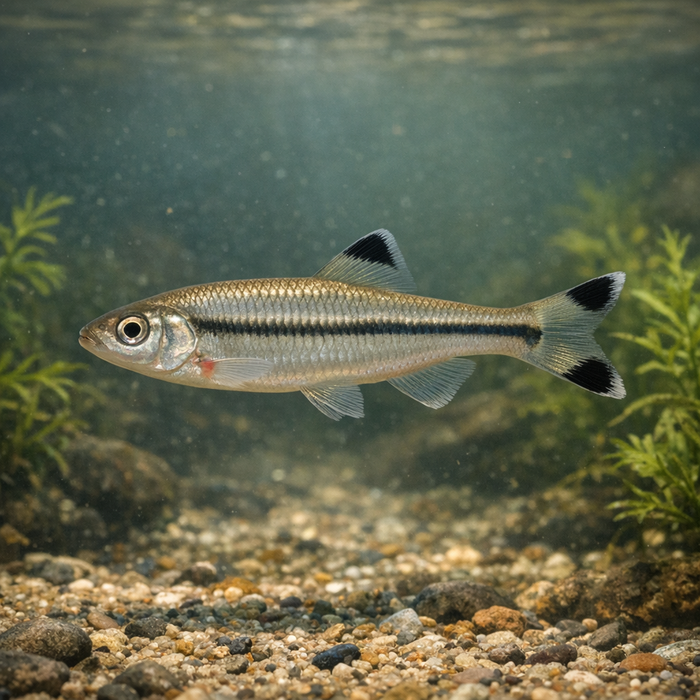
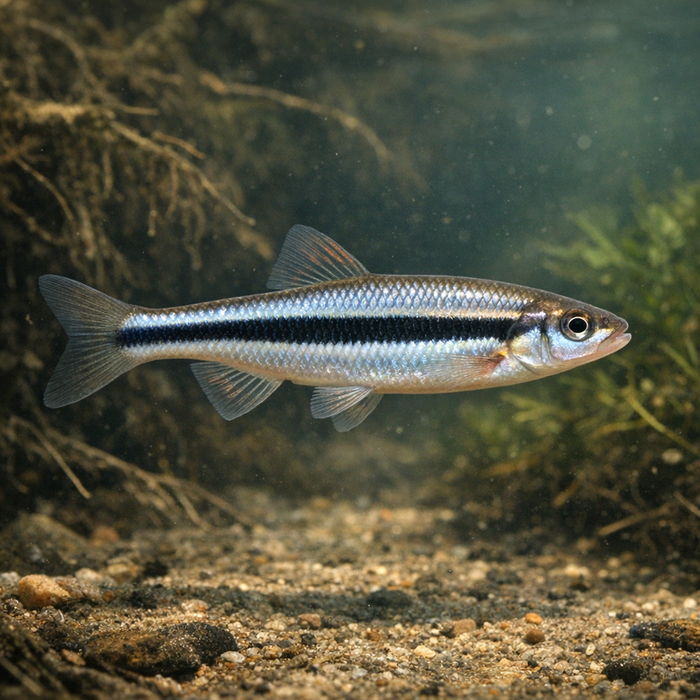
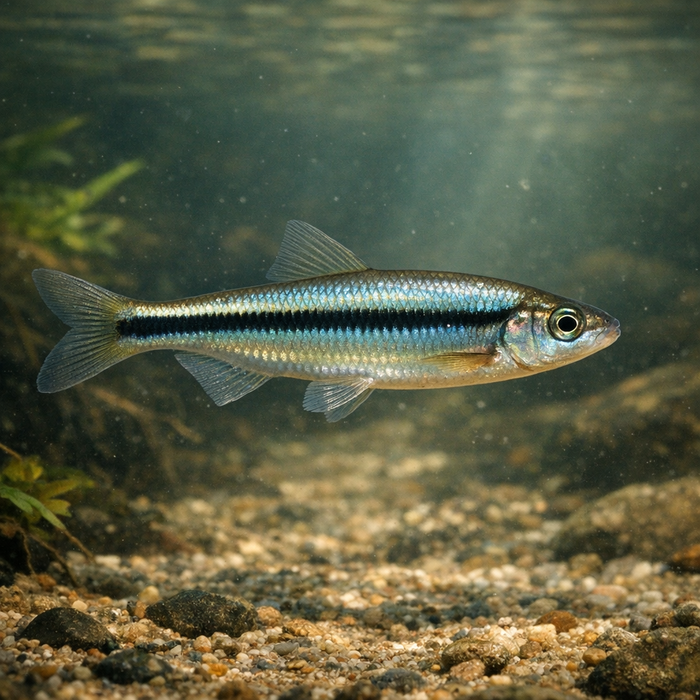
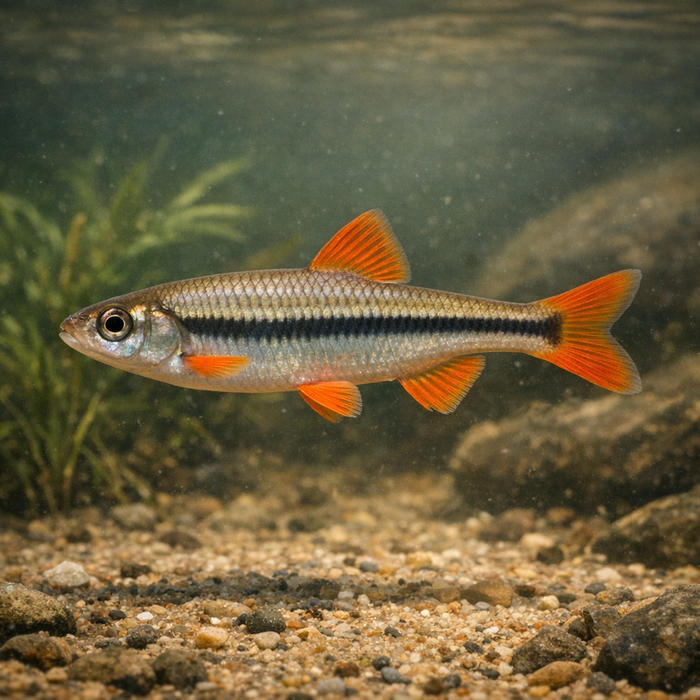
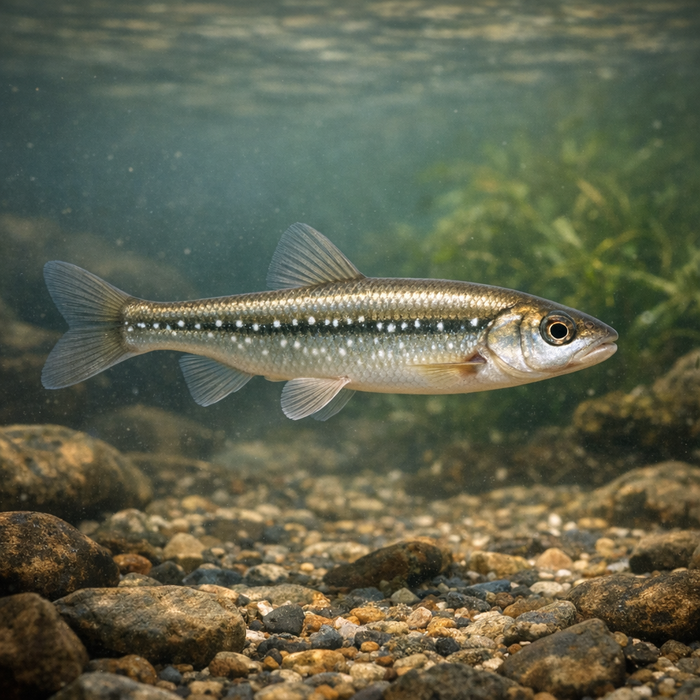
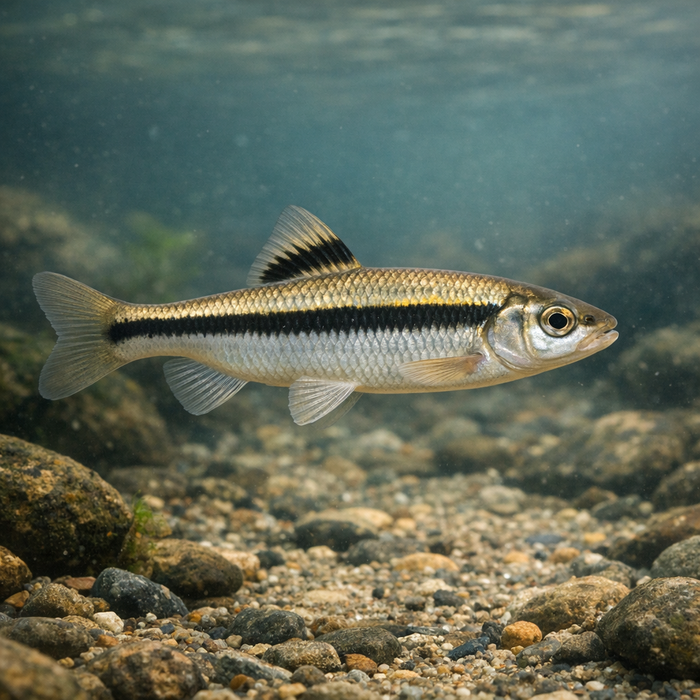
Highscale Shiner (Alburnops hypsilepis): The silver sparkplug of sandy streams that turns sunlight into confetti.IntroductionIf you've ever watched a shallow run explode into glitter, you probably met a school of Highscale shiner. This is the flashy little cyprinid that makes creeks feel alive, spinning sunlight off oversized scales while darting like it has somewhere better to be. It's not a conventional gamefish, but it's the perfect micro target for anglers who appreciate finesse, precision, and the weird satisfaction of fooling a fish the size of your pinky. Consider this your crash course in Highscale shiner facts, behavior, and the subtle charms of chasing minis on micro gear.What Makes the Highscale shiner Unique?Start with the name. Hypsilepis translates to high scale, and the Highscale shiner wears that badge proudly. Each big, bright cycloid scale throws a hard flash, so a tight school looks like a broken mirror tumbling downstream. Males develop tiny breeding tubercles during the spawn, adding a sandpapery texture to their snouts. There's also that upturned, delicate mouth. It's basically a precision vacuum, built to sip drifting micro-invertebrates. Combine those traits and you get a fish that's visually loud, biologically quick, and all about current seams, flashes, and timing.Habitat & Global RangeThe Highscale shiner is a Southeastern specialty, hugging coastal plain drainages where sand and steady flow rule the day. Think clear to tea-stained creeks and small rivers with clean sand, scattered gravel, and modest cover from aquatic vegetation or undercut banks. Current matters. These fish position along gentle riffles, glides, and the inside bends of runs where food drifts predictably. You'll also see them in quiet pockets during high water. If you're scoping potential Highscale shiner habitat, target knee-deep lanes with a pale, sandy bottom and enough clarity to let that body flash work overtime.Behavior & TemperamentHighscale shiner are schooling pros. Dozens to hundreds move in loose formations, constantly adjusting to current, light, and shadows. The school itself is defense, turning into a rolling sparkle-ball that overloads predators' targeting systems. Feeding is mostly midwater, with quick bursts when drifting insects line up right. They respond to light windows too: brighter days make the flash show pop; low light often pushes them shallower and tighter. During spring, as temperatures rise, expect energy levels to spike and spawning behavior to pull them onto riffles and clean edges where eggs can settle safely.Ecological ImportanceHere's where the Highscale shiner punches above its weight. As a mid-level consumer, it shuttles energy from tiny invertebrates to larger predators, including bass, sunfish, and wading birds. Its fast life history means populations rebound quickly after flow pulses, and its schooling keeps food moving through the system. In short, the Highscale shiner is stream glue. Lose the micros and the whole food web starts wobbling. That constant silver traffic is a reliability signal too: when you see shiners flickering, you're probably standing in a living, breathing, appropriately oxygenated creek.Conservation & Environmental PressuresSmall fish feel big problems first. The Highscale shiner needs clean sand and consistent flow; it struggles when sediment smothers riffles, when withdrawals flatten seasonal pulses, or when nutrient loads cloud the water. Channelization erases its best habitat, and disconnected floodplains rob nurseries of quiet refuge during high water. The good news: where watersheds still act like watersheds, the Highscale shiner hangs tough. Keeping riparian buffers intact, dialing back erosion, and maintaining natural flow timing is how you protect "baitfish" and, by extension, everything that eats them.The FishyAF TakeThe Highscale shiner isn't about grip-and-grins. It's about noticing the system. It's the silver confetti that tells you this run is healthy and fed. As a target, it demands micro precision and a little humility. You'll miss strikes, you'll squint at line, and you'll absolutely smirk when one tiny fish lights up like chrome in the sun. Call it training for stealth and drift control. Or call it pure creek therapy. Either way, the Highscale shiner turns small water into a big-time classroom for anglers who care more about craft than bragging rights. If you want Highscale shiner habitat you can trust, find clean sand, moving water, and enough light for that trademark flash show. Then downshift your ego, tie on something tiny, and let the school teach you timing.