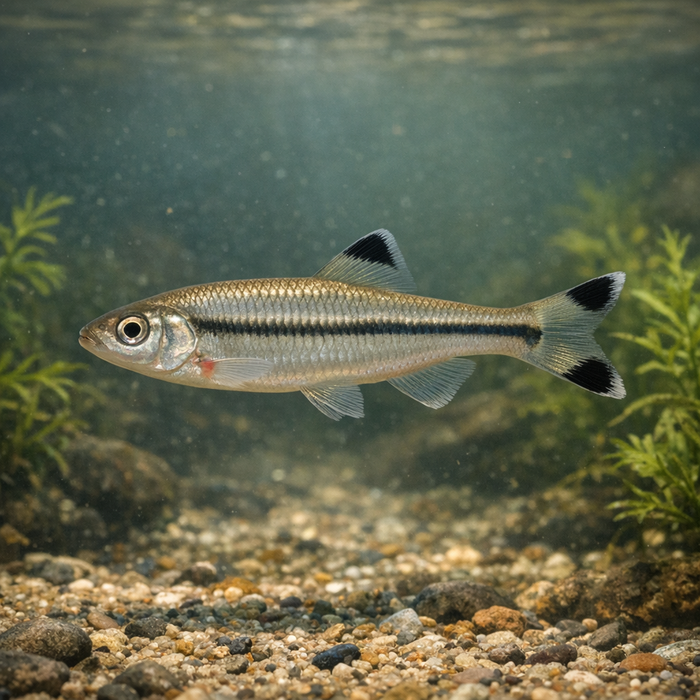
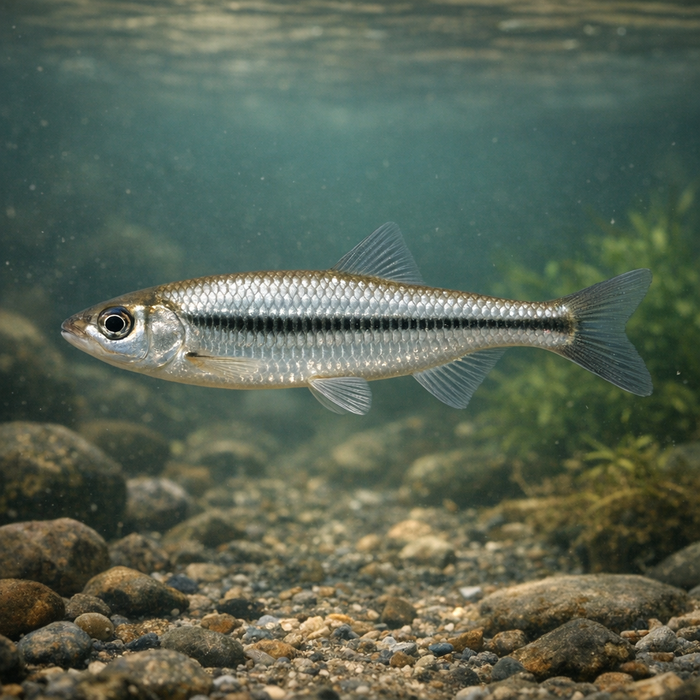
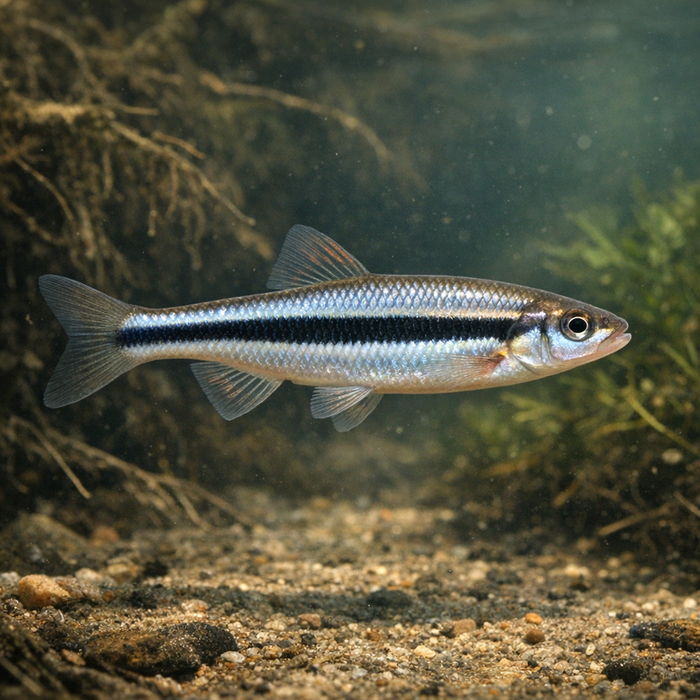
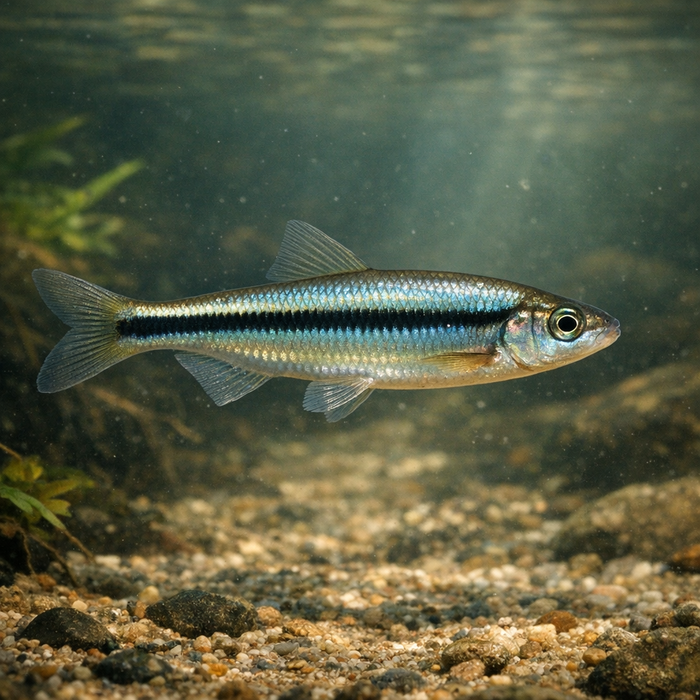
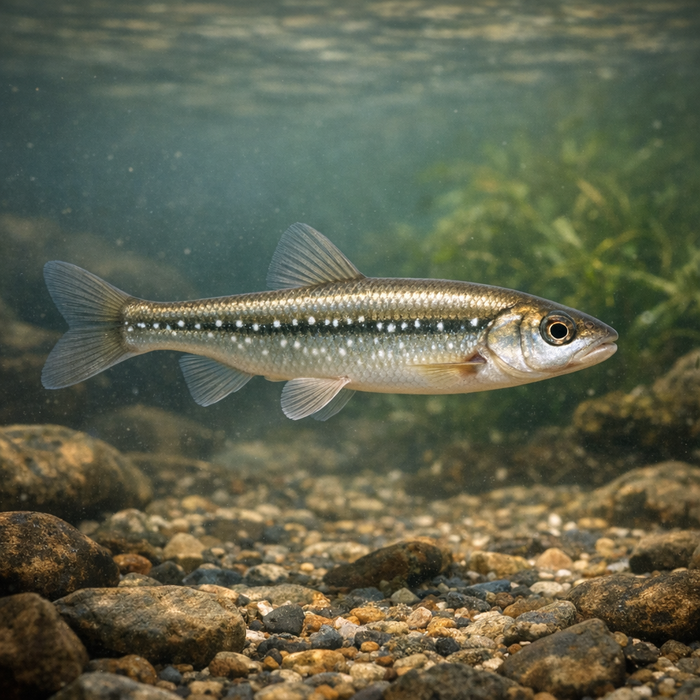
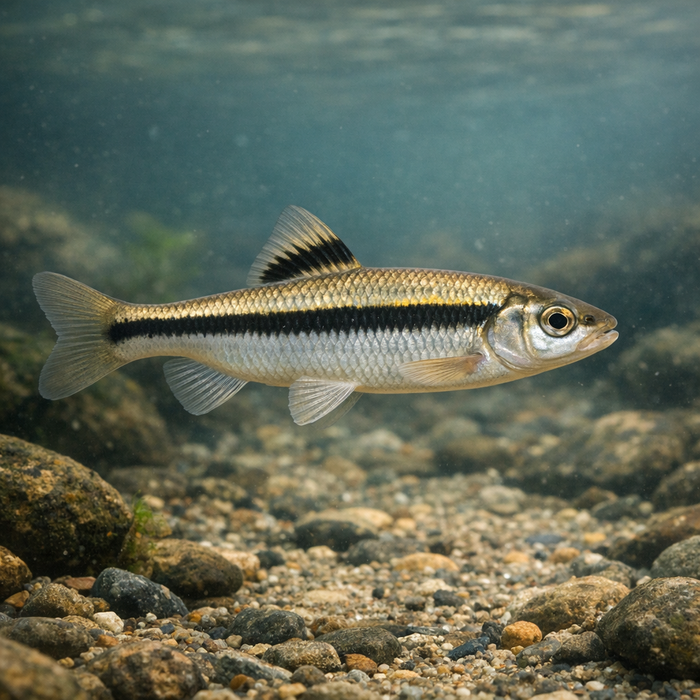
Orangefin shiner (Miniellus ammophilus): A Bold, Memorable Hook LineIntroductionThe orangefin shiner is proof that small fish can bring big swagger. In the right light, males blaze electric orange like they're running on battery packs, stacking into tight schools over clean, rippled sand. If you think minnows are just bait, this one will mess with your expectations and your camera roll. Consider this your crash course in Orangefin shiner facts, minus the snooze.What Makes the Orangefin shiner Unique?Start with the paint job. Breeding males don't just hint at orange; they practically advertise it, tipping fins and flashing along a dark stripe with a glow you can spot from a distance. Then there's the sand obsession. The scientific name ammophilus means sand-loving, and this fish takes it literally, working riffled sand runs and gentle glides like a conveyor belt. Many individuals also sneak their eggs into the mounded nests of bigger minnows, letting the neighbors do the heavy lifting. That combo of eye-searing color, sand finesse, and nest freeloading is peak orangefin shiner.Habitat & Global RangeThink Gulf-slope creeks and small rivers, particularly within and around the Mobile River Basin of the Southeast. The orangefin shiner wants clear water, steady current, and stable, unclogged sand or fine gravel. You'll see them in knee-deep runs below riffles, along inside bends, and on the flat, shimmering lanes where current makes those mini dune lines. Reservoir edges and small ponds may host them too, but the sweet spot is a living, breathing stream with moving water. If you're scouting Orangefin shiner habitat, look for visibility, clean substrate, and a lack of mucky silt.Behavior & TemperamentThey school tight, move quick, and shy from clumsy shadows. In flow, they hover and pulse, facing upstream to pluck microinvertebrates from the drift. As spawning season kicks in, expect crowds on prime sand lanes and sudden bursts of color from the males. They aren't brawlers, but they are twitchy and visibility-driven: subtle, compact presentations win. This is a fish built for current, cover-light situations, with survival strategies tuned to speed and numbers.Ecological ImportanceThe orangefin shiner plays a classic middle-link role. It converts small invertebrates and organic bits into calories that feed bass, sunfish, and other stream predators. Because it leans on clean sand and steady flow, a healthy orangefin shiner population often signals a creek that's still working right. When they fade out, it's usually a warning light that sediment, runoff, or water withdrawals are unraveling the system.Conservation & Environmental PressuresOverall, the orangefin shiner sits at Least Concern, but that's not a free pass. Sedimentation smothers the sand runs they need. Channelization strips out riffles and velocity diversity. Low, hot summers shrink flows and push oxygen down. Even small land-use changes can tilt the balance. They'll handle a bit of disturbance, but fine, clogging silt and prolonged low water are deal-breakers. Keep the sand clean, the water moving, and the banks vegetated, and this species usually hangs tough.The FishyAF TakeThe orangefin shiner won't pull line off your reel, but it will make you a better angler. It demands stealth, tiny offerings, and good water-reading skills. Nail those, and you'll watch a bright school materialize over that sparkling sand like a magic trick. If you're chasing micro trophies or building a creek-life list, the orangefin shiner is a gateway fish with real style. It's living proof that charisma doesn't require pounds, only color, current, and attitude. File this under Orangefin shiner facts that matter: respect the sand, mind your shadow, and the little gems will show.