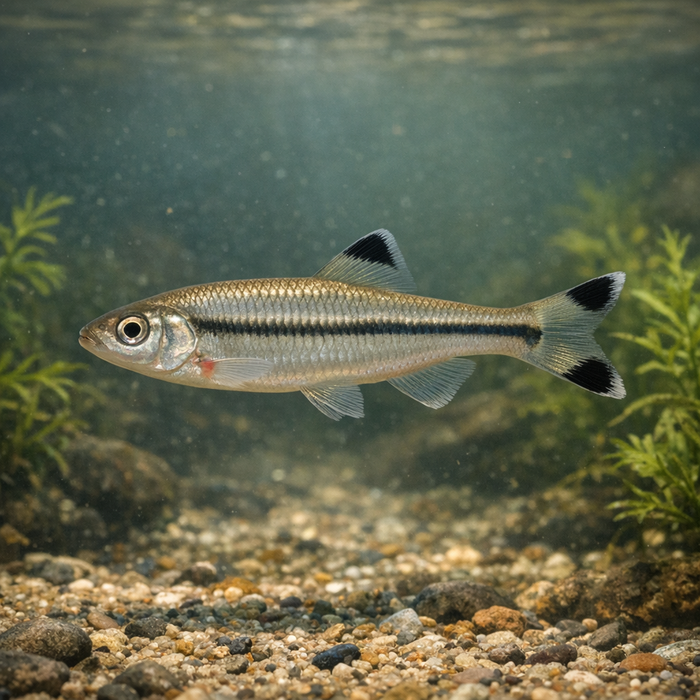
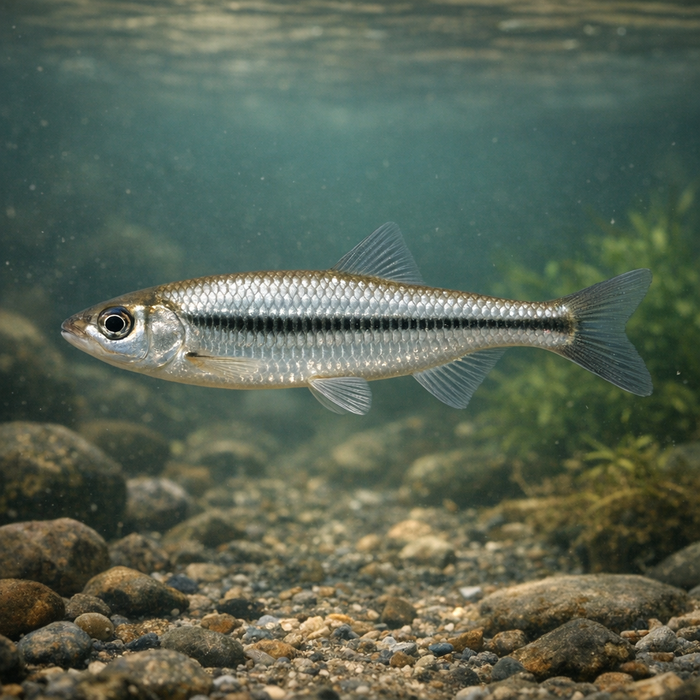
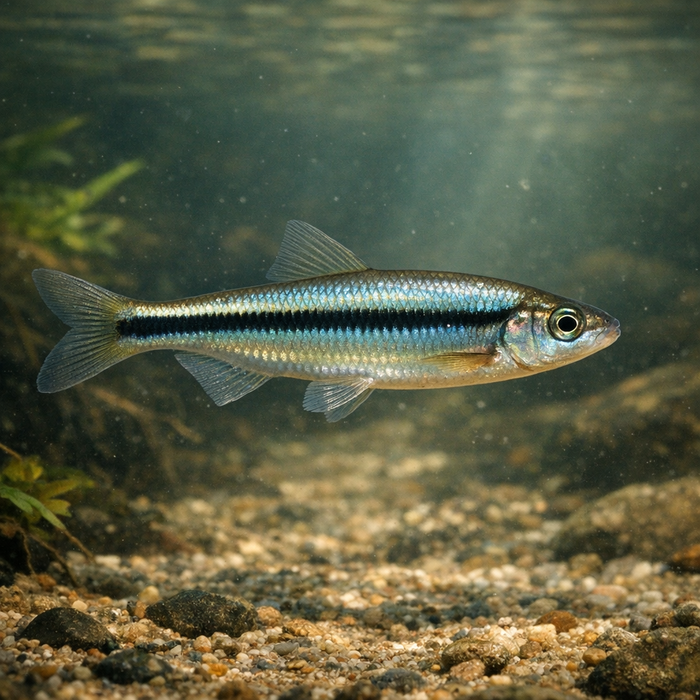
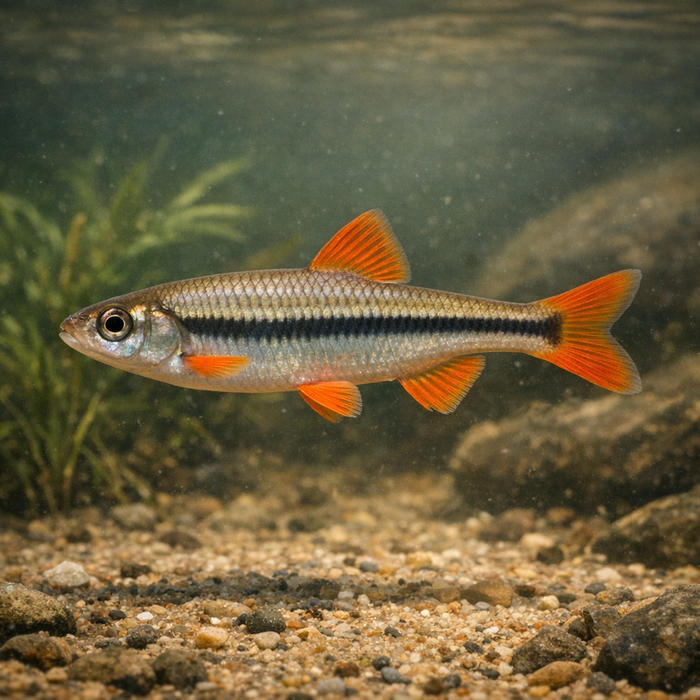
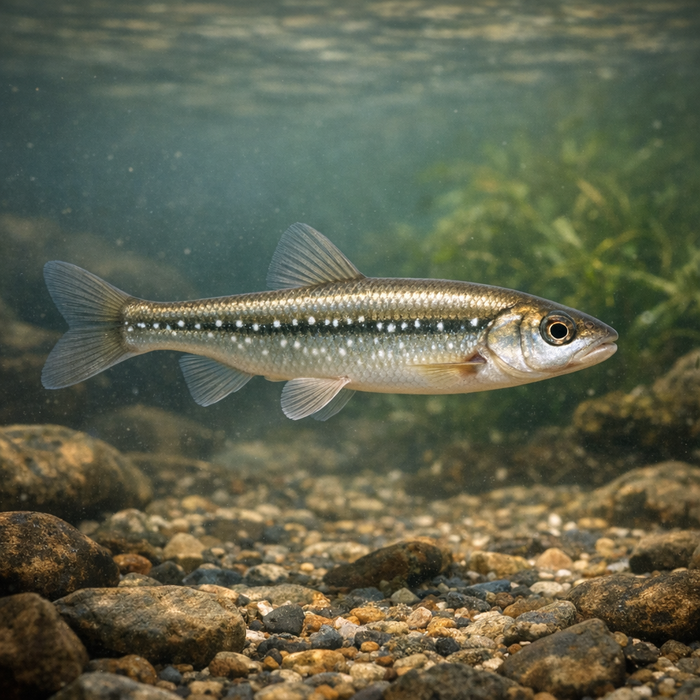
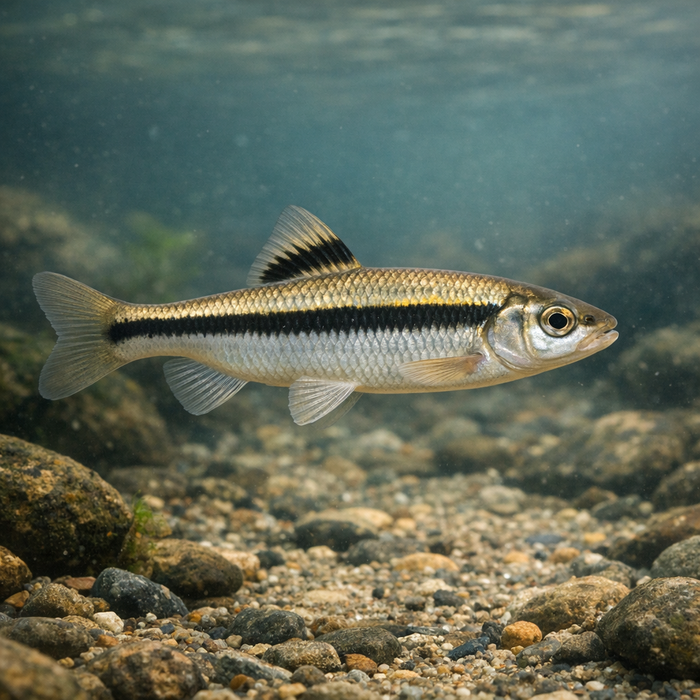
Lowland Shiner (Pteronotropis stonei): A Bold, Memorable Hook LineIntroductionThe lowland shiner is the flashy little understudy stealing scenes in tea-colored Southern creeks. It doesn't tug drag or smash topwater, but in a shaft of sunlight over pale sand, a tight school can look like someone popped a handful of glitter into the current. If you're micro-curious or just a freshwater nerd, the lowland shiner offers big personality in a pocket-sized package.What Makes the Lowland shiner Unique?Two things. First, color. During the breeding season, males throw on a neon show: dusky lateral stripe edged by electric sheen, fins kissed with orange. It's subtropical swagger, no passport required. Second, precision living. The lowland shiner thrives in clean, sand-bottomed, lowland waters where flow is gentle but steady, the water's often tea-stained with tannins, and submerged grasses sway like a metronome. That narrow niche gives it both style and vulnerability. If you're looking for Lowland shiner facts, start with those: color that pops and a habitat that demands clarity and flow.Habitat & Global RangeLowland shiner habitat centers on the Coastal Plain of the southeastern United States, especially blackwater and sandy runs in Florida, Georgia, and Alabama drainages that eventually meet the Gulf. Picture clear to tea-colored water, bright sand, patches of aquatic vegetation, and woody snags creating subtle current seams. Think knee-deep to chest-deep, not canyon pools. These fish favor the midwater lane, hovering above clean substrate while watching for drift. Local distribution can be patchy: miles of perfect-looking creek may hold none, then a bend with grass beds lights up with shimmering schools.Behavior & TemperamentThe lowland shiner is a coordinated speedster rather than a bruiser. Schools move like a single organism, flashing and pivoting to confound predators. They snack with efficiency, inhaling tiny invertebrates drifting just off bottom, then snap back into formation. During spring into early summer, they broadcast spawn in short pulses, often over vegetation or clean sand, ticking off multiple small batches rather than one big dump. They're alert, quick to scatter at shadows, and settle just as quickly once the threat passes. That's the game: stealth and small presentations if you're trying to interact with them on a line.Ecological ImportanceSmall fish, big job. The lowland shiner converts invertebrate production into calories that power the food web. Sunfishes, juvenile bass, and piscivorous minnows make steady withdrawals from that schooling piggy bank. In return, the shiner's constant grazing helps balance insect populations and keep energy flowing through the system. Clean sand and submerged plants are part of the package: protect those, and you protect not just the shiner, but the clarity-loving suite of species that share its lane.Conservation & Environmental PressuresThis species is currently considered Least Concern across much of its range, but it's not bulletproof. Siltation that buries sand, nutrient overloads that smother vegetation, and flashy storm runoff can erase the fine-scale habitat the lowland shiner needs. Groundwater withdrawals that flatten baseflow or prolonged droughts can pinch populations, while poorly timed drawdowns strand schools in side channels. The fish isn't demanding, it's specific. When streams keep their vegetation, sand, and a touch of tannin, the lowland shiner responds with numbers that would make a baitball blush.The FishyAF TakeWe like calling the lowland shiner a litmus test with fins. If you can find a healthy school, your creek is probably in good shape. If you can't, ask what changed: did the water get muddy, the grass thin out, the flows pulse too hard after every storm? For anglers, it's the perfect micro target to sharpen stealth, drift control, and delicate rigging. For biologists, it's a barometer. For everyone else, it's a tiny, sparkling reason to care about sand-bottom creeks. Search "Lowland shiner habitat" and you'll see a theme: clean sand, gentle flow, and just enough plants. Keep that mosaic intact and these little rockets will keep doing what they do best-lighting up the shallows, one synchronized turn at a time.