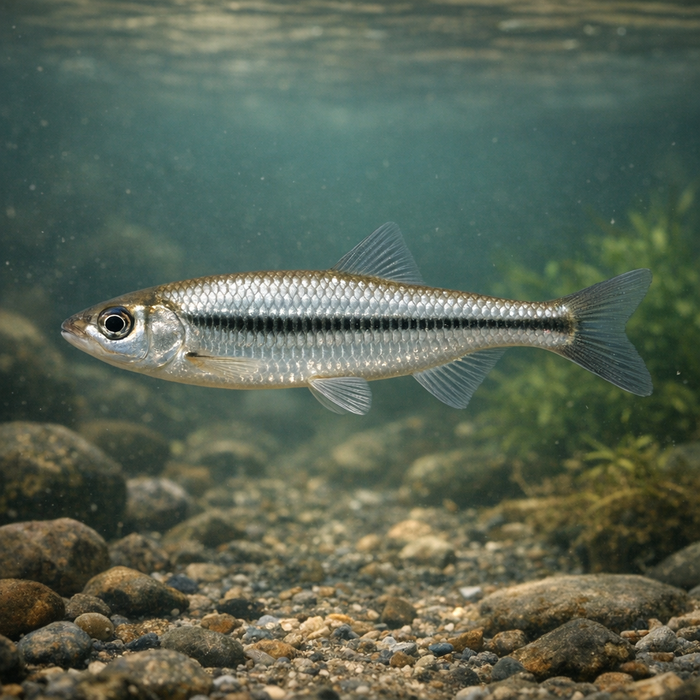
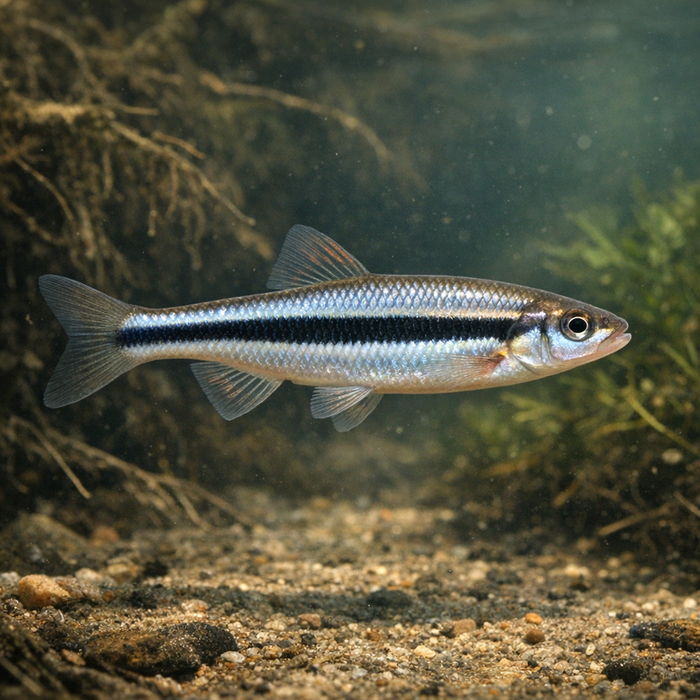
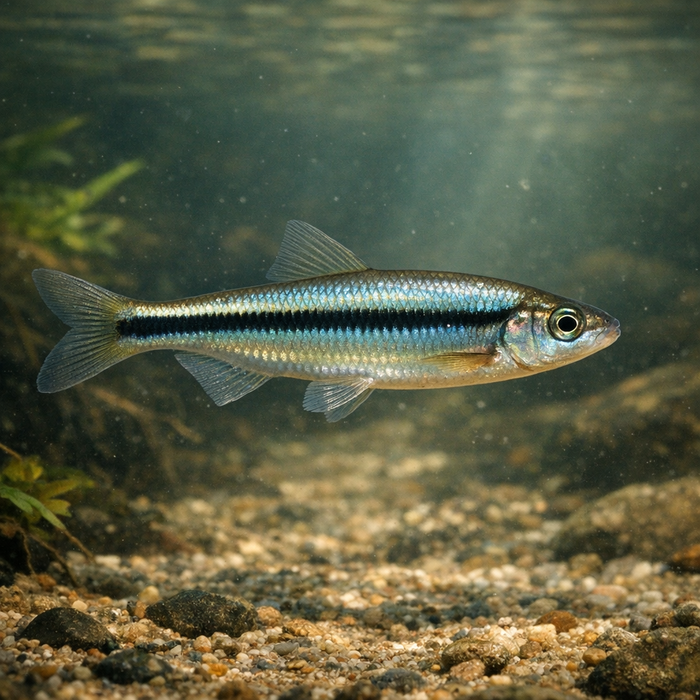
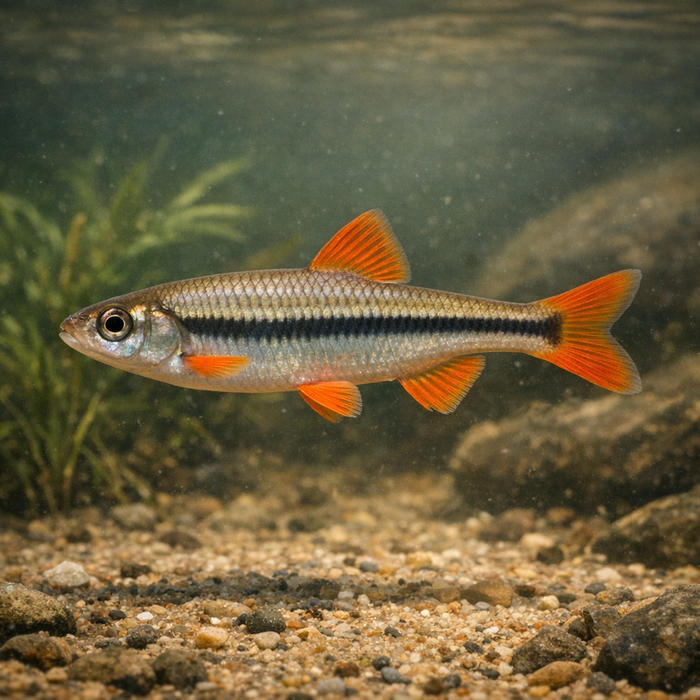
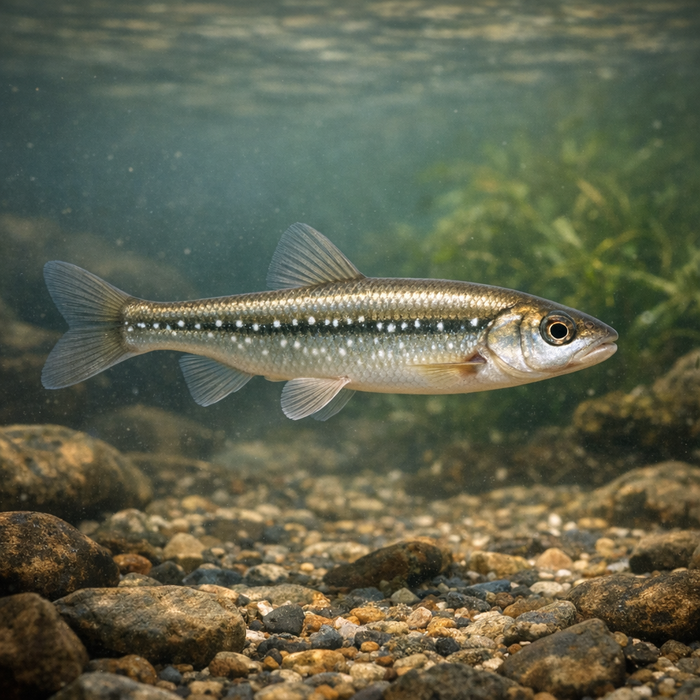
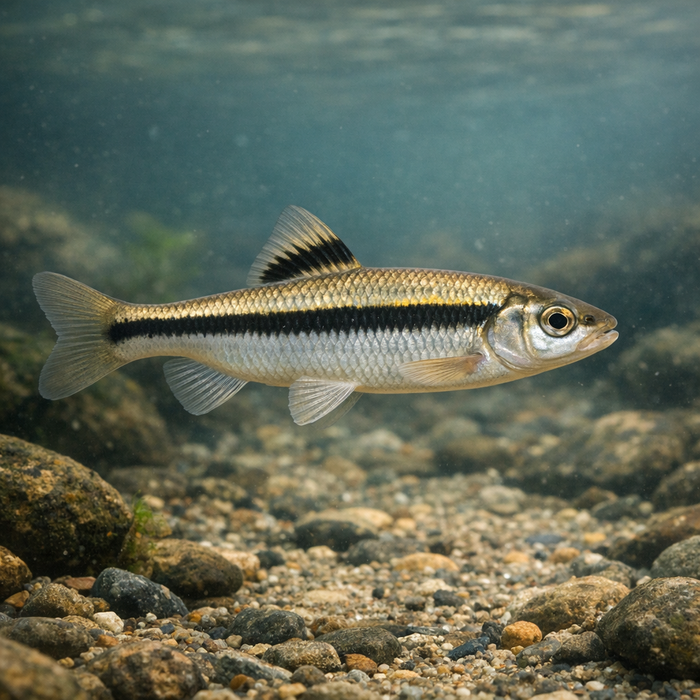
Blacktip Shiner (Lythrurus atrapiculus): A Bold, Memorable Hook LineIntroductionThe blacktip shiner is proof that small fish can bring big personality. Flashy, nervy, and always on the move, this little cyprinid lights up shallow current with copper glints and that unmistakable ink-dipped dorsal tip. Anglers into microfishing or anyone who appreciates wild-water detail will find that a school of blacktip shiners turns a plain riffle into a living, flickering sign that the stream is healthy and alive. Consider this your quick hit of Blacktip shiner facts, minus the yawn.What Makes the Blacktip shiner Unique?Start with the namesake. A sharply triangular black patch at the front of the dorsal fin sets this species apart even at a glance. During spawning season, males crank the drama higher, flushing red in the fins and sprouting tiny pearl-like tubercles on the snout. The combination of color pop and clean geometry is why sharp-eyed anglers love ID'ing them on the fly. Another stand-out trait: they're social to the extreme, forming chrome-bright schools that pivot as one in skinny water. That synchronized shimmer? It's practically a defense system and an angler magnet.Habitat & Global RangeThis species belongs to the warm, low-gradient waters of the Gulf Coast and Southeastern United States, especially creeks and small to mid-size rivers with sand or fine gravel. Think clear runs, gentle riffles, and edges of current beside root wads or woody debris. They slide into pools when flow drops, reoccupy riffles when oxygen and insects surge, and can hang around quiet margins of reservoirs where feeder creeks enter. If you're scouting Blacktip shiner habitat, target clean gravel and modest current, not the noisy whitewater or stagnant back end of a slough.Behavior & TemperamentBlacktip shiners are efficient little commuters. They graze drifting inverts, pinprick-sized larvae, and whatever seasonal bug bonanza is rolling through the run. Schools orbit prime flow lanes, testing the seam, then darting back to safety as shadows pass. Spawning rallies in late spring into early summer, when males flash their best colors and defend slivers of space on gravel. Rivalries are mostly dance-offs: fin-flicks, quick charges, and bluffing without the brawl. They're alert and skittish, so stealth matters. One careless footfall can send the whole school ghosting upstream.Ecological ImportanceYou won't see blacktip shiners headlining tournaments, but you will see them anchoring the food web. They transfer energy from insect hatches into the bigger mouths everyone chases. Their habit of spawning over cleaned gravel patches maintained by larger minnows helps spread reproductive success through the community, a small-fish version of teamwork. When shiners are abundant and schooling tight, it's a good sign: flows are stable enough, water clarity is decent, and the benthic pantry isn't empty. Lose the shiners and the whole neighborhood feels it.Conservation & Environmental PressuresWhile the blacktip shiner is not a poster child for crisis, it's not armor-plated either. Silted gravel, chronic turbidity, low dissolved oxygen, and degraded riparian cover all chip away at the microhabitat it needs. Urban ditching, poorly managed construction runoff, and warm-season low flows can shrink viable riffles to scraps. Local populations can blink out quietly, missed by anglers focused on bigger game. The good news: shiners rebound when streams clean up. Stabilize banks, protect headwaters, and keep sediment where it belongs, and these fish answer fast.The FishyAF TakeIf your fishing world revolves only around inches and ounces, the blacktip shiner won't change your leaderboard. But if you chase experiences, this fish is a tiny masterclass in reading water. It forces precision: lighter line, smaller hooks, quieter feet, cleaner drifts. You'll learn more about current in one hour with a school of shiners than a month of power-casting. Bonus: dialed shiner spots often overlap with quality panfish and bass habitat. So yeah, the blacktip shiner is small. Your skills won't be after you figure it out.