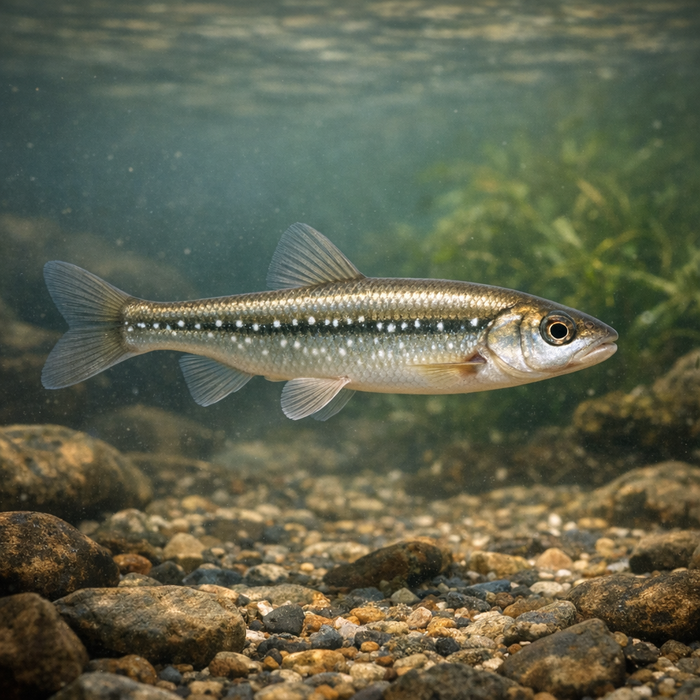
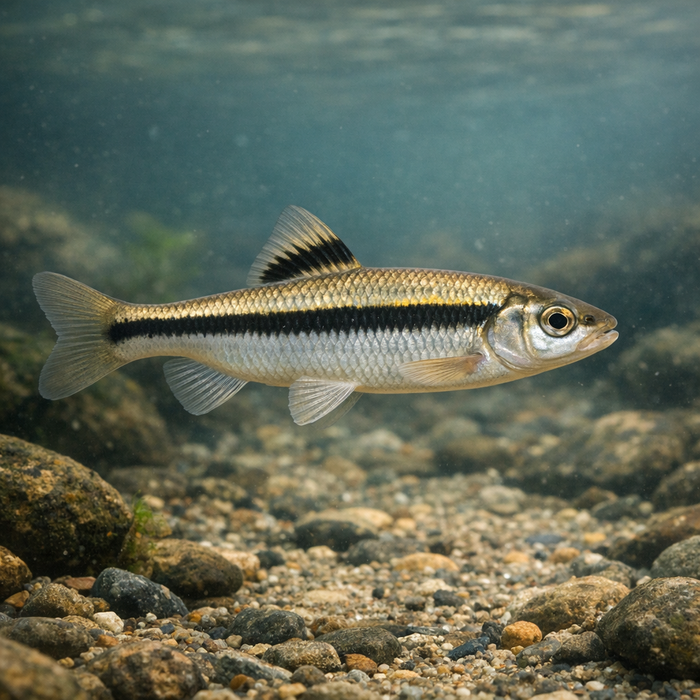
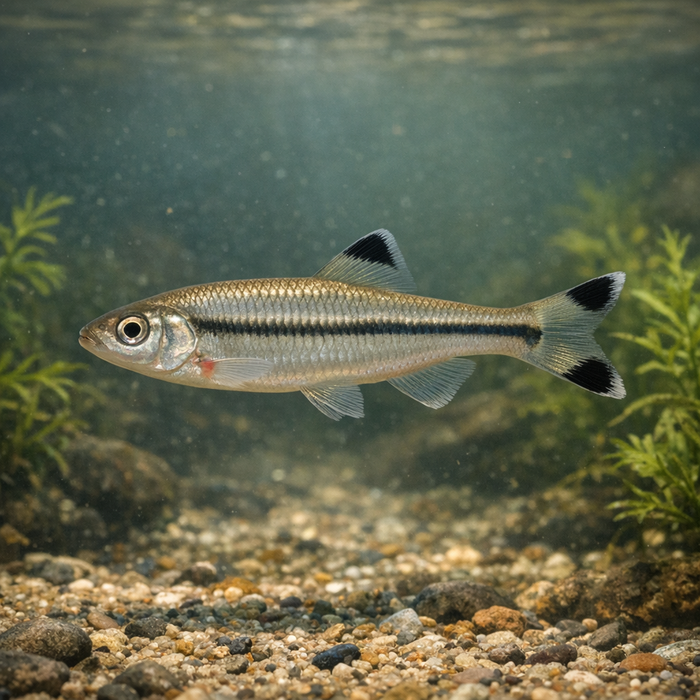
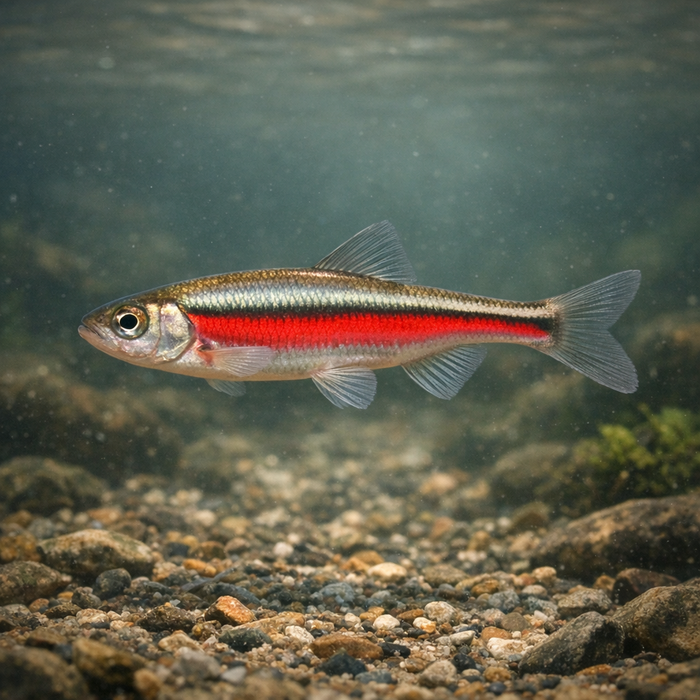
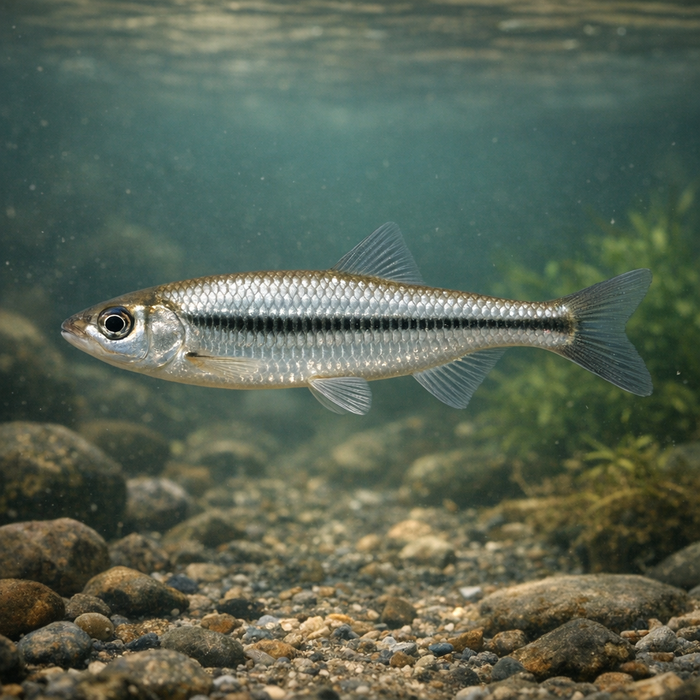
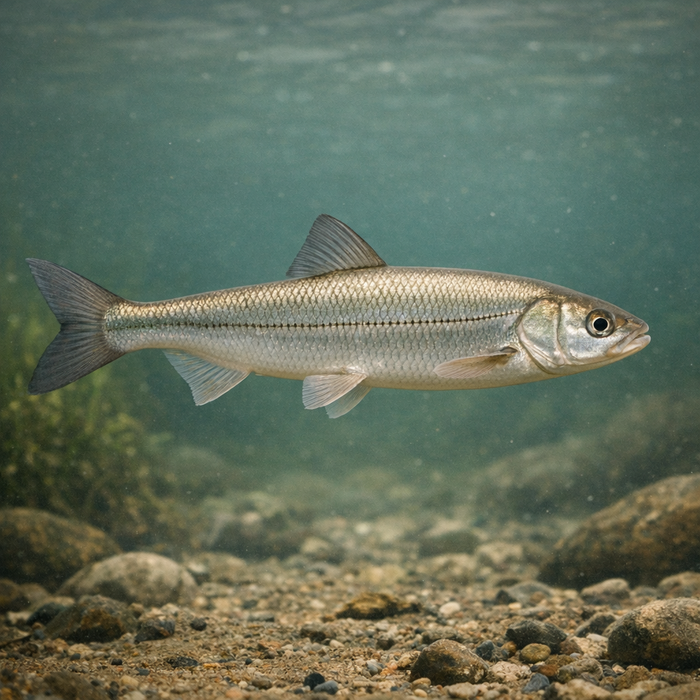
Blackspot Shiner (Notropis atrocaudalis): Tiny Tail Flag, Big AttitudeIntroductionThe blackspot shiner is proof that small fish can still have swagger. It's a slip of silver with a bold tail blotch that reads like a tiny exclamation point. You won't win a weigh-in with one, but if you're into microfishing or just obsessed with the life buzzing around southern sand-bottom creeks, this little cyprinid is catnip. The blackspot shiner moves in zippy schools, shines like chrome in clean water, and disappears the moment a shadow falls across the run. That's half the fun.What Makes the Blackspot shiner Unique?Start with the namesake: a confident, inky mark at the base of the tail that pops against a pale, semi-translucent body. It's a quick field cue when you're sorting shiners in a dip net or eyeing a mixed school from a bridge. Second, this fish is a sand runner. Many shiners flirt with gravel; blackspot shiner makes those bright, shifting sand tongues its runway. Third, for its size, it's a sprinter. You'll swear the school teleports when they shoot a few feet and then lock motionless, using glare and shimmer as camouflage. Those three traits make the blackspot shiner easy to love and harder to ignore.Habitat & Global RangeBlackspot shiner habitat is all about lowland waters with some push: small to medium streams, oxbows, and backwaters where current is gentle to moderate and the bottom is mostly sand. They cruise edges of bars, quiet side channels, and shallow glides a foot or two deep, slipping into slightly deeper pools when spooked or during low water. As for geography, think Gulf Coastal Plain and adjacent drainages in the American Southeast, with regional, patchy presence shaped by local water quality and sediment dynamics. In plain terms: warm, sandy creeks and connected sloughs where the water runs clear to tea-stained and the substrate actually moves.Behavior & TemperamentThe blackspot shiner is a textbook schooling minnow with a few party tricks. It feeds throughout the day on drifting micro-invertebrates and whatever tiny organics the current delivers. When rain swells the stream and rearranges sand, they often pulse upstream into fresh, oxygen-rich runs. During spawning season, males brighten and the whole crew gets bolder, pushing into shallower microhabitats to broadcast eggs. Fright response is a quick fan of the tail, a five-foot dash, then freeze. That rigid pause is more than drama; mixed with sun flash and sand glare, it blurs outlines and buys survival time.Ecological ImportanceLooking for compact Blackspot shiner facts with real meaning? Start here: they're conveyor belts turning insect drift into calories for everything else. Black bass, sunfish, madtoms, and wading birds all cash checks written by blackspot shiner biomass. Because they prefer clean, dynamic sand runs, strong populations often signal that a creek hasn't been choked by silt or concrete. Lose those living sandbars and you don't just lose a minnow; you loosen a thread in the whole lowland food web.Conservation & Environmental PressuresThe species is generally stable where habitat holds, but sand-run specialists are always one bad land-use decision away from trouble. Chronic sedimentation, channel straightening, and sloppy stormwater design turn living sand into dull muck. Drought-flood whiplash can strand schools or scour eggs if the timing is unlucky. The good news is that the blackspot shiner rebounds fast when flows normalize and substrates self-clean. Protect headwaters, keep buffers on banks, and let rivers move a little. That's the maintenance plan.The FishyAF TakeIf the outdoors had a credits scene, the blackspot shiner would be the quick-cut cameo that steals it. Not big, not famous, but perfectly tuned to its lane: shimmering, decisive, and always working the line between flow and still. Anglers who slow down, scale down, and engage with the inches-deep world will find a lot to like here. For everyone chasing "Blackspot shiner habitat" specifics, the secret is simple: clean sand that moves, light that dances, and current you can feel in your shins. Pack micro gear, mind the glare, and you'll start seeing them everywhere they're supposed to be.