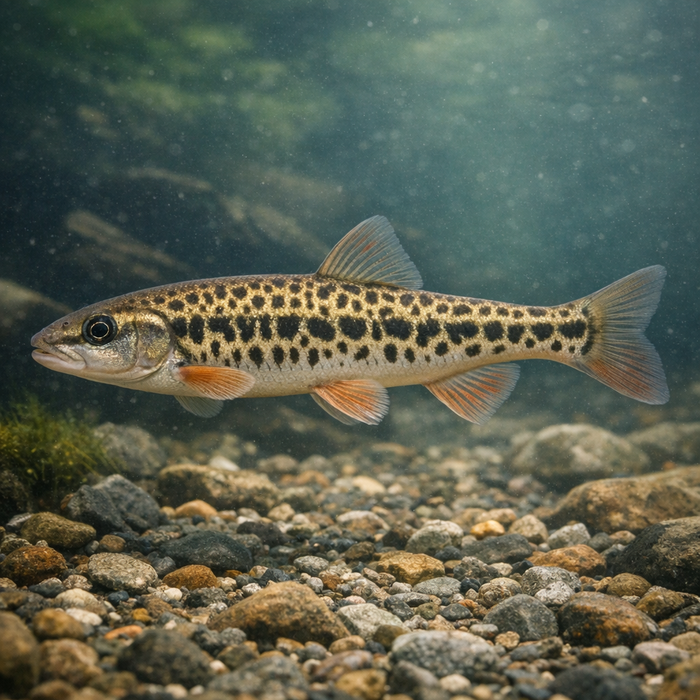
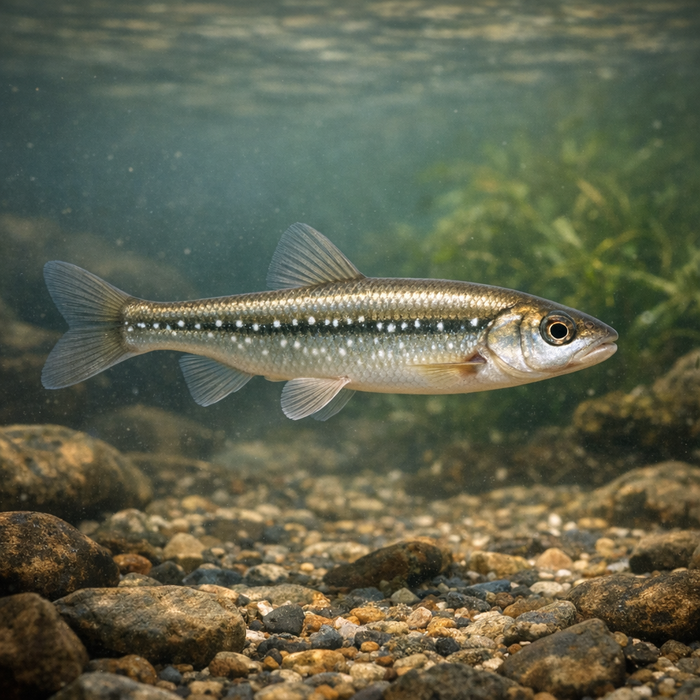
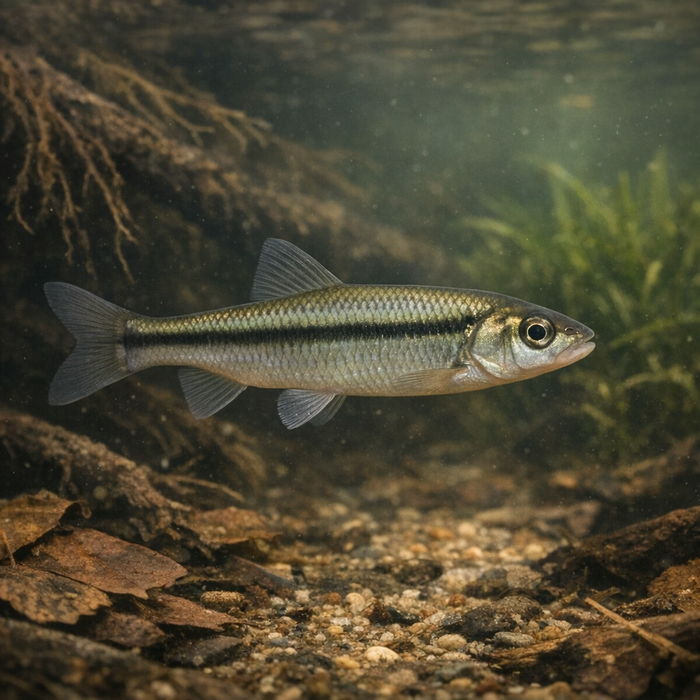
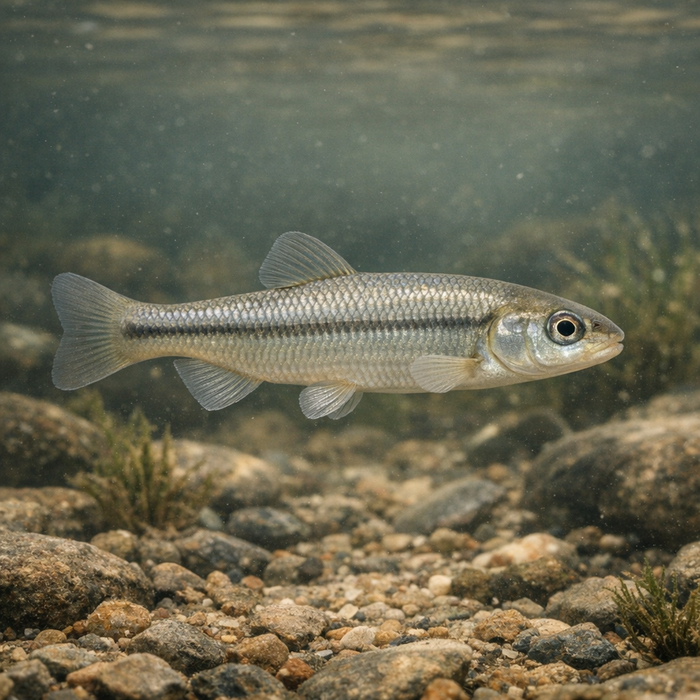
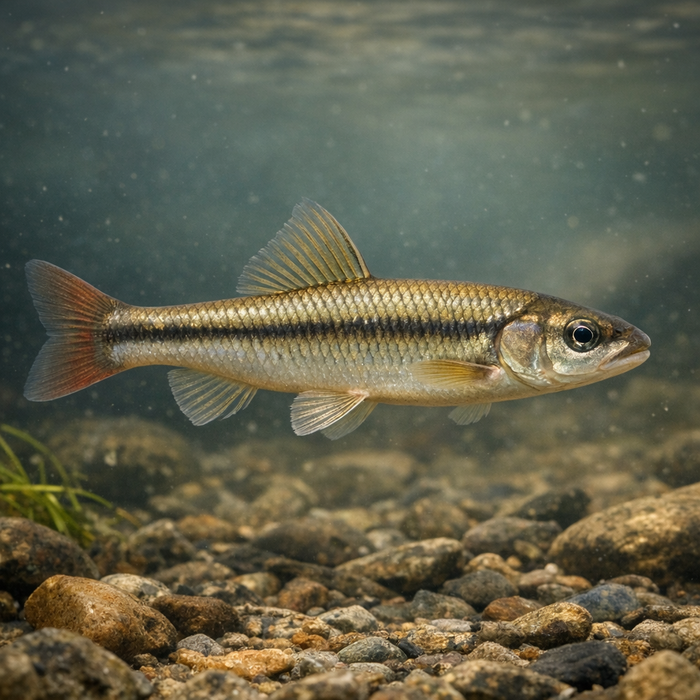
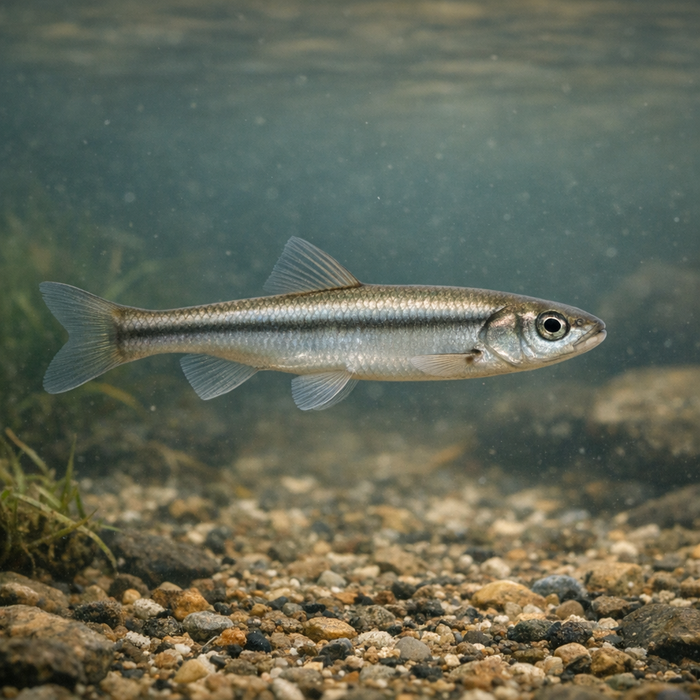
Longnose Dace (Rhinichthys cataractae): A Bold, Memorable Hook LineIntroductionThe longnose dace is the ankle‑deep water specialist that laughs at whitewater and hoovers bugs from cracks you didn't even know existed. Tiny? Yep. Sporty? In its own twitchy, current-loving way. If you're into microfishing or just want to understand what fuels your local trout stream, learning the longnose dace is like getting the cheat codes to the riffle.What Makes the Longnose Dace Unique?Start with that face. The longnose dace sports an overhanging snout and a downturned mouth that's basically a precision tool for plucking insect larvae from cobble. It's built for current: streamlined, low-slung, and shockingly strong for its size. Males develop small breeding tubercles on the head during the spawn, giving them a sandpapery look. They're also champions of micro-eddies, sliding behind thumb-sized rock shadows where bigger fish can't fit. If you want quick Longnose dace facts: long snout, high-octane current skills, and serious grit packed into a few inches of fish.Habitat & Global RangeIf you're searching terms like Longnose dace habitat, think cold to cool streams with rocky riffles, runs, and the tails of pools. This species is widespread across much of North America, from Appalachian creeks and Great Lakes tributaries to mountain drainages in the West. It handles gradient, finds food in fast water, and tolerates the kind of turbulence that would send other minnows cartwheeling downstream. You'll spot them tight to the bottom in knee-deep riffles and sometimes at creek mouths where current scrubs the substrate clean. In lakes, they gravitate to inflows and rocky shorelines where moving water delivers a drift buffet.Behavior & TemperamentLongnose dace are jittery but deliberate. They hold tight to the bottom, then dart with surgical timing to intercept drifting morsels. They feed primarily on aquatic insect larvae, especially midges, caddis, and mayflies tucked between stones, plus the occasional micro-crustacean. They're active year-round, even under ice, though winter activity shrinks to the warmest slice of the day. During the spawn, late spring into early summer in many regions, males rough up with tubercles and fish slip eggs into gravel gaps with no nest guarding. Small groups loosely school in prime feeding lanes, but the real magic is the individual station-keeping: each fish carves out a pocket of slack amid chaos and lives there like a tiny gladiator.Ecological ImportanceFor their size, longnose dace swing way above their weight class. They convert insect biomass into protein packages that trout, sculpins, and larger predators depend on. They also shape the invertebrate community by vacuuming larvae from specific microhabitats. Because they key into clean, well-oxygenated flow over coarse substrate, their presence often signals stream segments that are functioning properly. When this fish thrives, chances are your mayflies, caddis, and the trout that chase them are doing alright too.Conservation & Environmental PressuresListed as Least Concern overall, the longnose dace still bleeds when the stream does. Siltation that smothers cobble, dewatering that flattens riffles, or warm pulses that slash oxygen all chip away at prime habitat. Urban runoff and poorly timed water withdrawals turn complex riffle mosaics into dull chutes. Fragmentation from culverts and barriers can cut off seasonal movements to better spawning gravel. The fix isn't rocket science: protect flows, keep sediments out, and maintain roughness elements like boulders and natural wood so those micro-eddies remain.The FishyAF TakeThe longnose dace is the unsung hero of fast water. You won't spool drag, but you will learn more about current, drift, and stealth chasing this little torpedo than you will flogging a big pool with heavy hardware. Watch them, and you'll read a riffle like a guide. Catch a few, and suddenly your trout game tightens up. Longnose dace may be small, but in the grand scheme of stream craft, they're heavyweight coaches with fins. Respect the current, respect the cobble, and the longnose dace will show you how a fish can turn chaos into home field advantage.