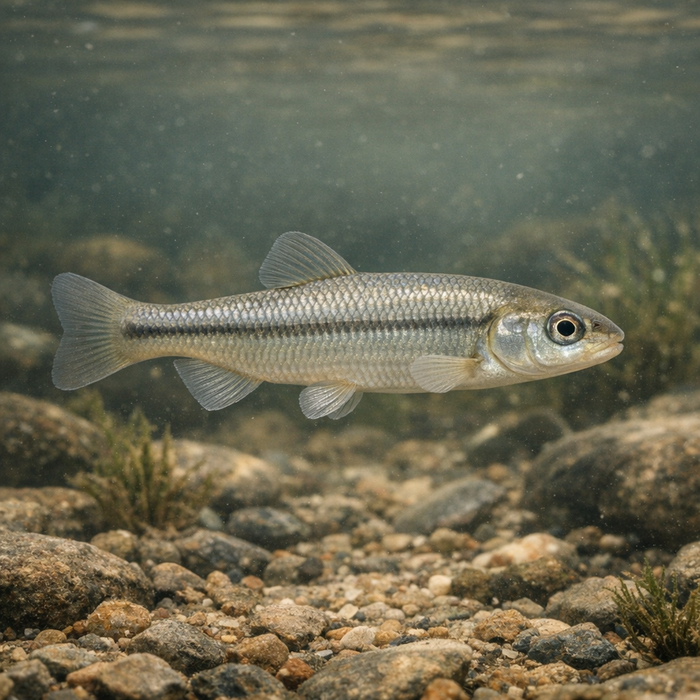
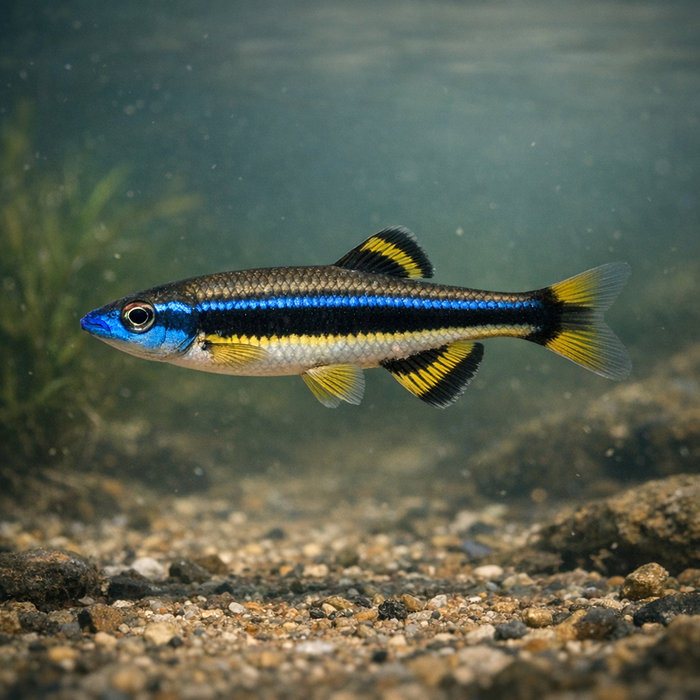
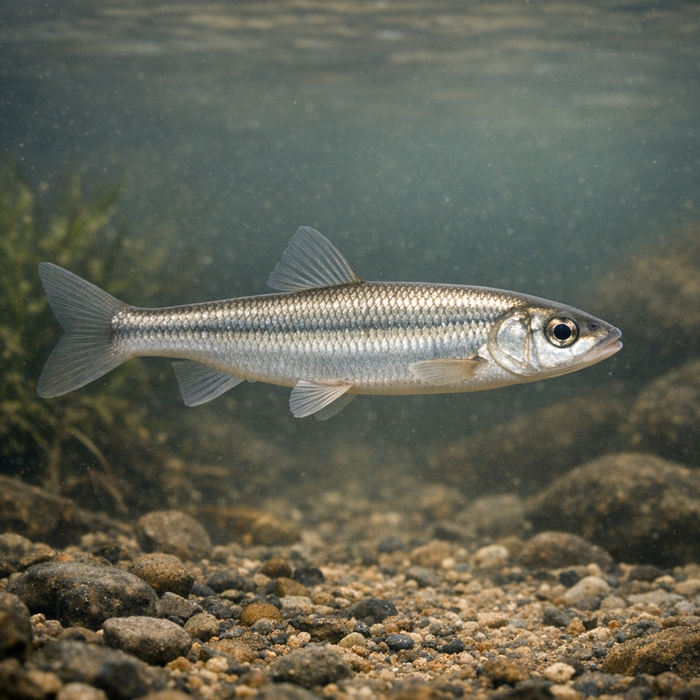
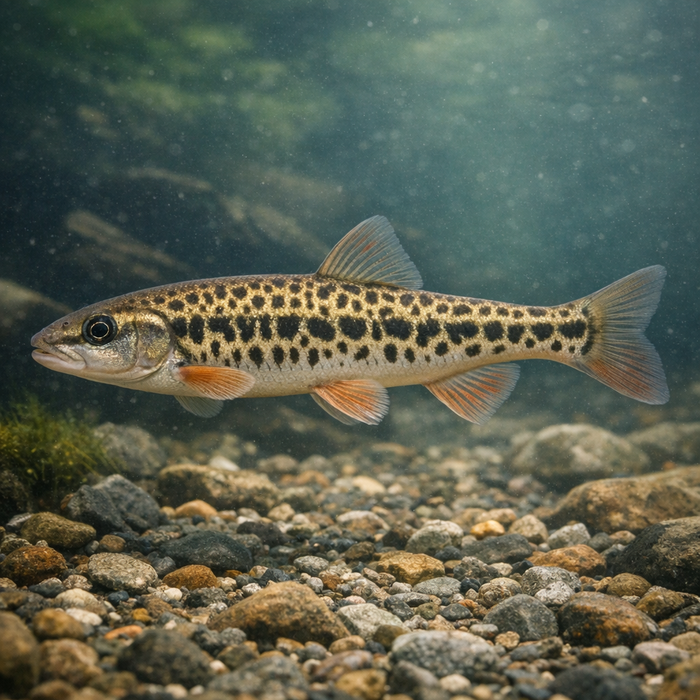
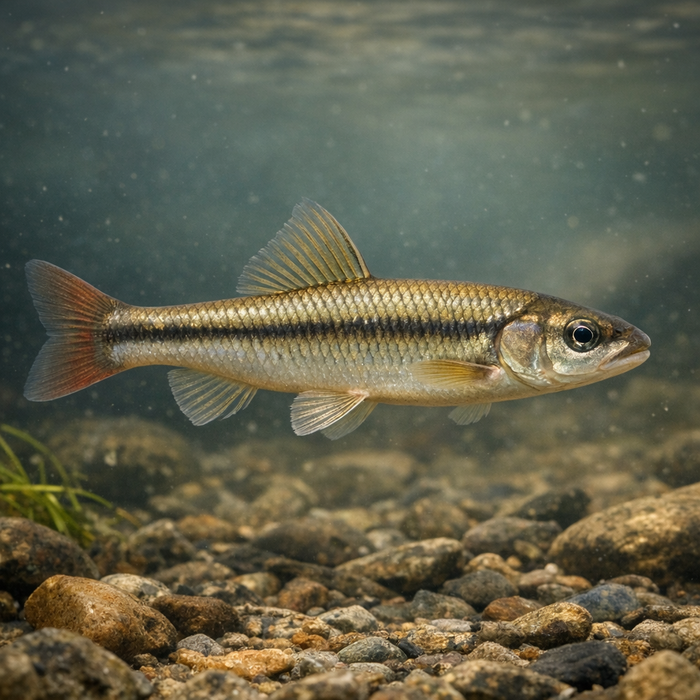
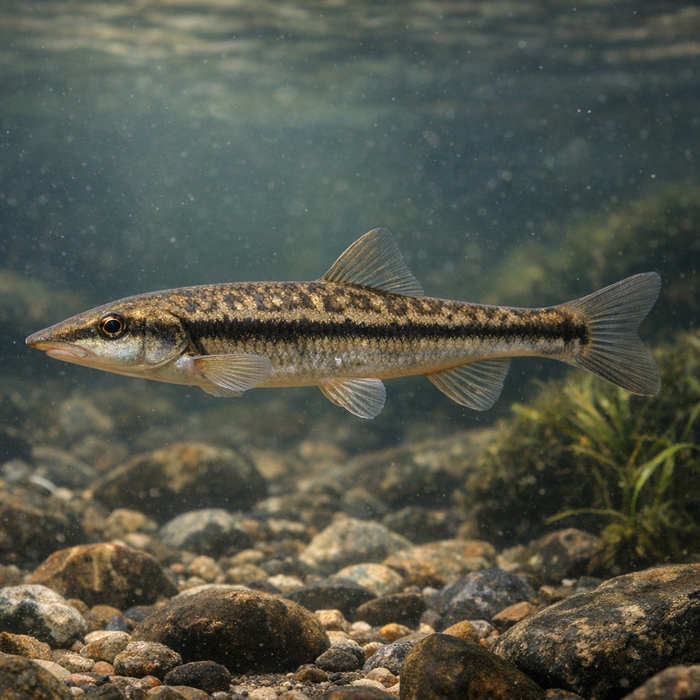
Cypress minnow (Hybognathus hayi): A Bold, Memorable Hook LineIntroductionThe cypress minnow is the tiny, silver commuter of the swampy South, scooting through tea-colored water where knees of old cypress trees punch up like knuckles. It won't rip drag or fill a frying pan, but it will teach you finesse. If you're into micro fishing or just love weird little specialists, this fish is pure field-notes magic.What Makes the Cypress minnow Unique?Two traits set the cypress minnow apart. First, it's a detritus specialist. That streamlined, subterminal mouth isn't for chomping prey; it's a silt sifter paired with an impressively long intestine that turns swamp gunk into fuel. Second, it's built for the slow lane. While flashier shiners hug riffles, Hybognathus hayi hangs where current slackens, turbidity climbs, and dissolved oxygen dips. That calm-water comfort zone is how it carved out its niche.Habitat & Global RangeLet's hit the core cypress minnow habitat: low-gradient creeks, oxbows, bayous, and floodplain backwaters across the lower Mississippi Alluvial Plain and Gulf Coastal Plain. Think submerged roots, soft sand or silt, and subtle edges where slack water meets the faintest push of current. The species dabbles along vegetated margins, in undercut banks, and around cypress knees. Heavy rains and seasonal floods let it surge onto floodplains to feed and spawn, then drift back to main channels as waters drop. If you're building a mental map of cypress minnow habitat, picture muddy water with a touch of tannin and lots of levee-side loafing.Behavior & TemperamentThis fish schools loosely and feeds with a grazer's patience. Instead of blitzing like a predator, the cypress minnow noses along bottom lanes, vacuuming detritus and micro-organisms. It rarely breaks the surface except to keep station or dodge trouble. Spawning tends to track late spring flow pulses when water warms, and males may wear tiny breeding tubercles like sandpaper stubble. It's not a brawler on the line; the "fight" is a tremor. The real challenge is making a bite-sized presentation that doesn't spook the school.Ecological ImportanceCall it the swamp recycler. By churning detritus into fish biomass, the cypress minnow moves energy from mucky bottoms up the food web. It feeds a train of larger fish, wading birds, and reptiles that key on floodplain edges. Cypress minnow facts that matter to managers are simple: protect floodplain connectivity, keep the water moving occasionally, and don't bury the landscape in silt or cut off oxbows.Conservation & Environmental PressuresThe species isn't making national headlines, but it's sensitive to the same slow burns that erase floodplain fish: channelization, levees that isolate nursery water, relentless sedimentation, and vegetation loss along lowland streams. Local populations can blink out where ditches replace sloughs. Some states list the fish as a species of concern, often due to shrinking habitat rather than direct harvest. For anglers, the takeaway is ethical handling and quick release when you're micro-hopping oxbows.The FishyAF TakeThe cypress minnow is a humble masterclass. It rewards patience, sharp eyes, and tiny-tackle discipline. You learn to read slack water like a trout bum reads a seam, and you quit apologizing for size 24 hooks. If chasing "Cypress minnow habitat" sounds unglamorous, you haven't watched a silver ribbon of them pivot over a sand lens under cypress shade. Small fish, big lesson: mind the margins, respect the floodplain, and your fishing brain gets sharper. That's the cypress minnow in one honest, muddy package.