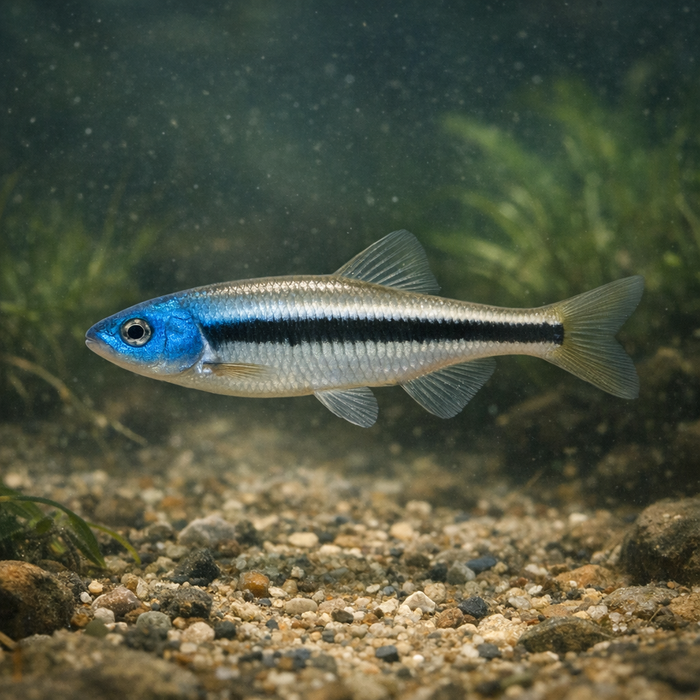
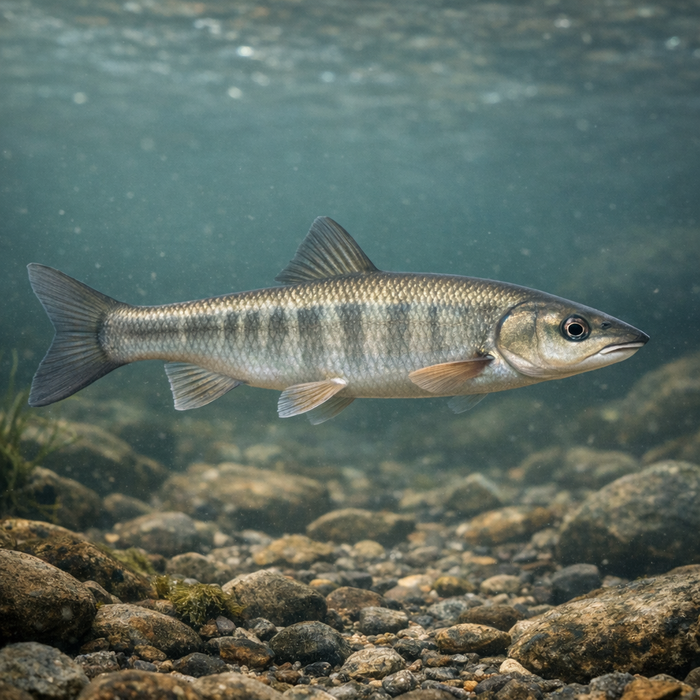
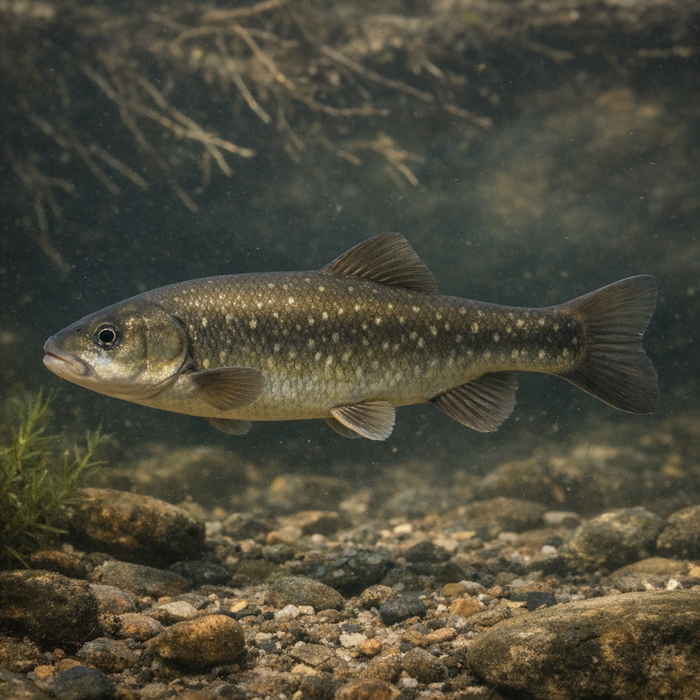
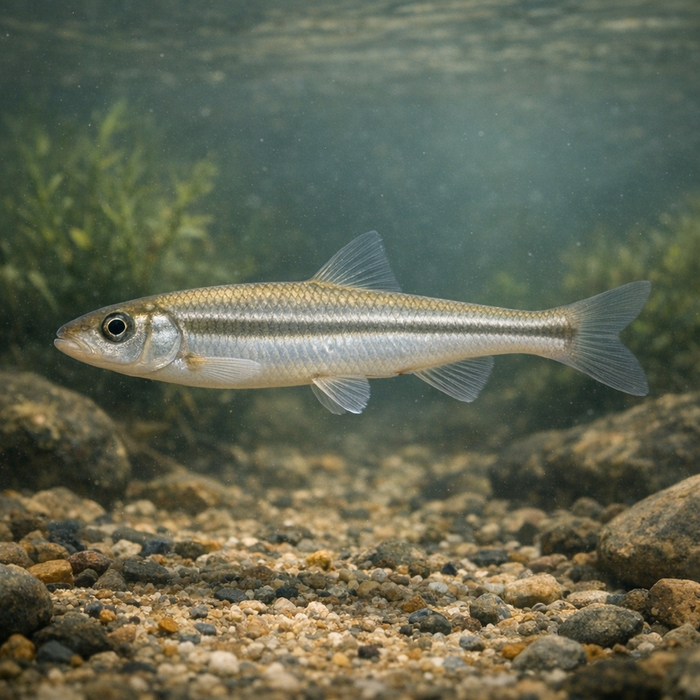
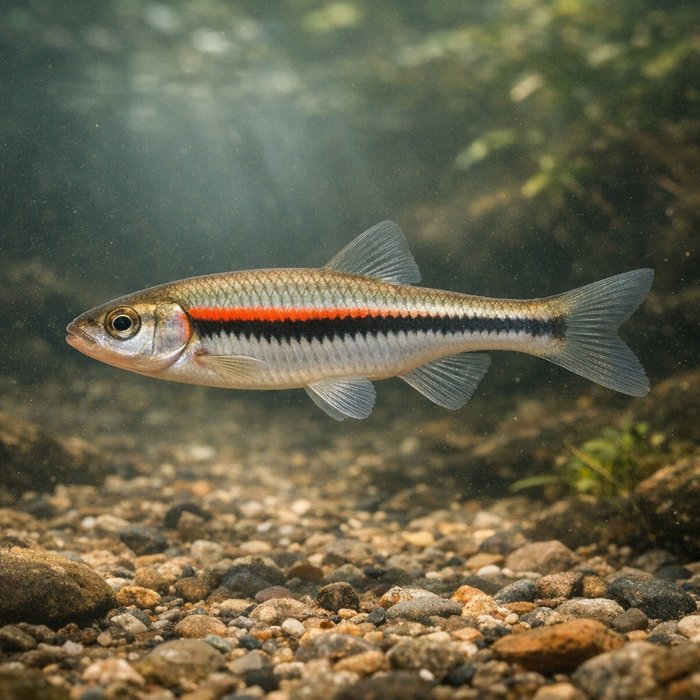
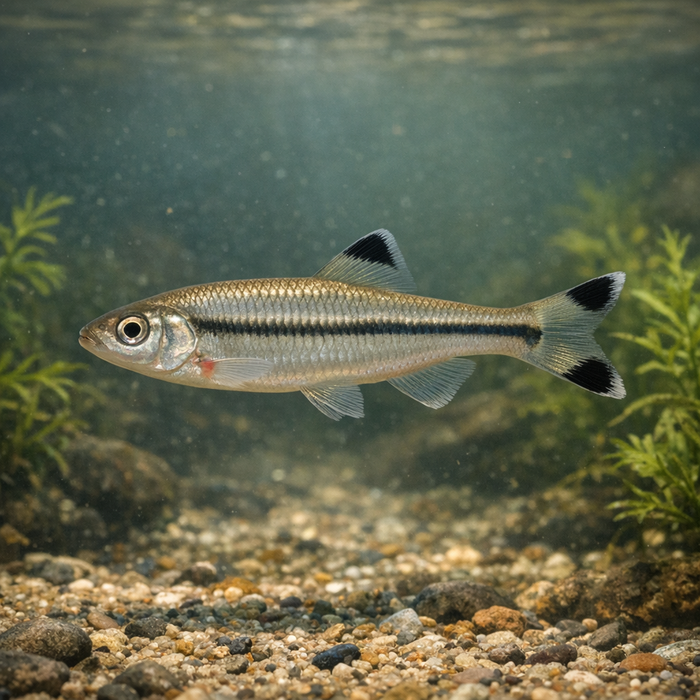
Bluenose Shiner (Pteronotropis welaka): A Bold, Memorable Hook LineIntroductionThe bluenose shiner is tiny, flashy, and shockingly photogenic. In a world where big fish hog the spotlight, this Southeast micro turns heads with a neon face and pennant fins. It is the fish that makes even jaded anglers stop, crouch, and whisper wow. If you want bluenose shiner facts with some bite, keep reading.What Makes the Bluenose Shiner Unique?Start with the name. In breeding season, males fire up a high-voltage blue blaze across the snout that looks artificial under tannic water. Add in elongated, fluttering dorsal and anal rays and you've got a miniature parade float cruising the creek. The bluenose shiner is also famous for its fast life. It grows quick, matures young, and usually doesn't make it much past two years. That urgency fuels bold displays, tight timing, and a species that never wastes a good flow or clean patch of sand.Habitat & Global RangeThis fish is a Southeastern specialist, tied to spring runs, blackwater creeks, and slow, clear streams with clean sand and patches of submerged vegetation. Think underwater meadows where current is gentle, visibility swings from crystal to tea-colored, and the bottom isn't smothered in silt. If you're scouting bluenose shiner habitat, look for eelgrass, sandy shelfs, and edge seams near woody debris. Their range is patchy, but where conditions are right, they can be locally common. Habitat quality rules everything for this fish, so small changes in flow, vegetation, or water clarity can flip a spot from loaded to ghosted.Behavior & TemperamentBluenose shiners are hoverers. They hold midwater over sand, then dip to feed or flash a rival. Schooling is common, often with other minnows, and the group vibe seems to offer comfort in open water. During the spawn, males elevate the theatrics: they tilt, quiver, and light up that blue snout like a club bouncer's flashlight. Spooky by nature, they spook harder with shadows, wakes, and clumsy footwork. Ultralight approaches and soft landings matter more here than with most creek fish.Ecological ImportanceSmall doesn't mean small-time. The bluenose shiner is a clean-water indicator that telegraphs the health of Southeastern spring and blackwater systems. It grazes microinvertebrates and algae, recycles nutrients, and pushes energy up the food web to darters, larger shiners, and gamefish that browse the edges. Lose the bluenose shiner and you often lose the menu that fuels everything else. Protect the sand, plants, and flow, and you protect a lot more than one pretty minnow.Conservation & Environmental PressuresThe bluenose shiner's kryptonite is habitat slop. Siltation buries eggs, turbidity kills the visual courtship game, and vegetation loss removes both shelter and spawning scaffolds. Groundwater withdrawals can hobble spring runs; ditching and development rewrite creeks that once meandered through grass. While you'll find local strongholds, the overall picture is fragmented, and some historic spots have winked out. Conservation means keeping water clear, flows stable, and plants rooted. It's basic, but it's everything.The FishyAF TakeThe bluenose shiner is proof that charisma isn't measured in pounds. It's a litmus test for creek health, a masterclass in subtlety, and a perfect excuse to slow down and actually look. If you're into microfishing, this fish is bucket-list material. If you fish bigger game, learning its patterns sharpens your woodcraft and water reading. Call it a gateway species to noticing more: more flow shifts, more vegetation types, more life on that sandy seam. That's the real payoff in any set of bluenose shiner facts.