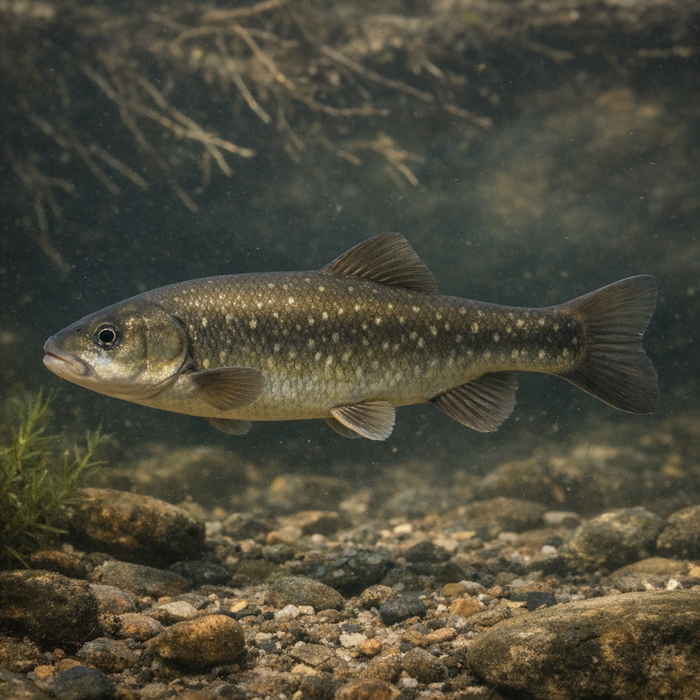
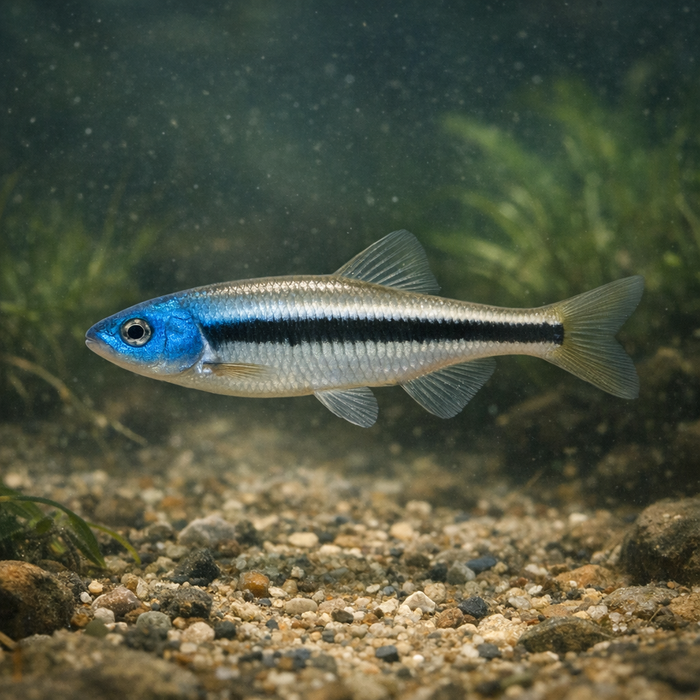
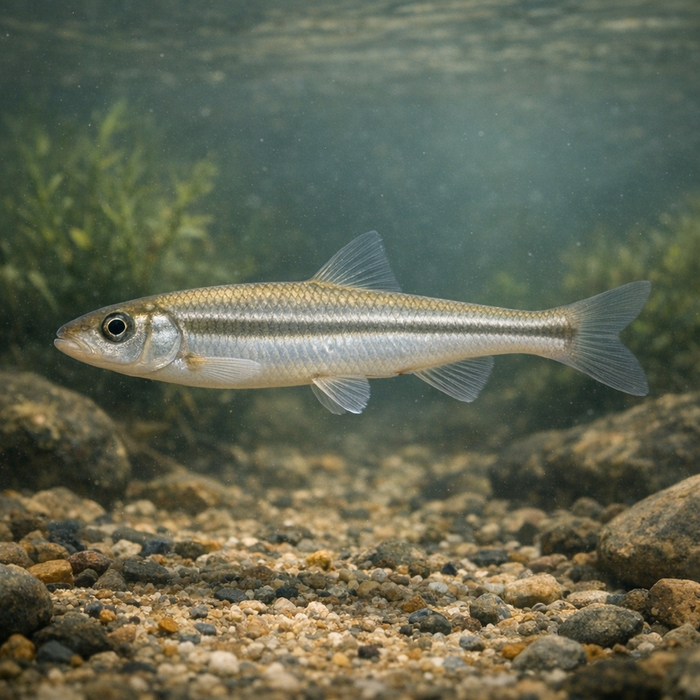
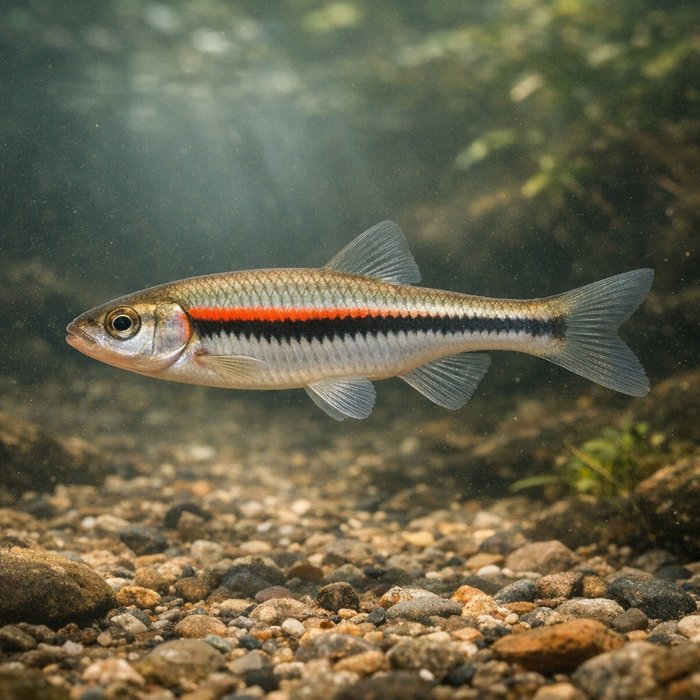
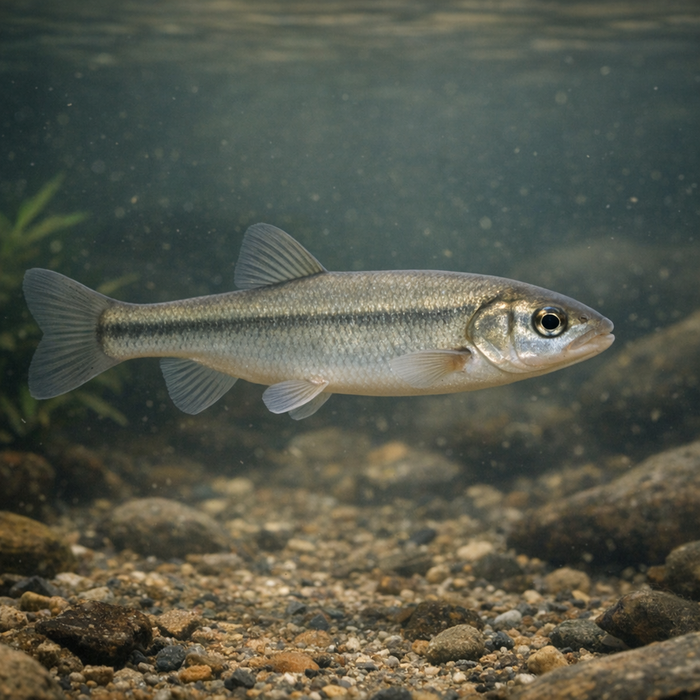
Chiselmouth (Acrocheilus alutaceus): A Bold, Memorable Hook LineIntroductionMeet the algae-shaving specialist of the Pacific Northwest. The chiselmouth isn't famous, flashy, or even particularly cooperative on a hook, but it's one of freshwater's best examples of nature building a tool right into a face. If you've watched olive-bronze flashes tilt and rasp across a cobble riffle, you've probably witnessed a chiselmouth doing what it does best: mowing river rocks.What Makes the Chiselmouth Unique?That name is literal. The lower jaw develops a keratinized, blade-like edge that acts like a scraper for periphyton, diatoms, and the slimy buffet coating stones. Pair that with grinding pharyngeal teeth and a long intestine, and you've got a fish engineered to squeeze calories from tough plant film. The chiselmouth looks like a streamlined minnow until it tips sideways and goes to work, carving invisible swaths across a rock's skin. For anglers, that specialized diet explains its stubborn disinterest in most lures. Still, small nymphs or drifted worms occasionally fool one, which makes any honest catch feel like a quirky badge of honor.Habitat & Global RangeChiselmouth habitat revolves around clean, well-oxygenated waters with gravel and cobble bottoms. Think clear rivers and connected lakes in the Columbia and Fraser drainages, plus select West Coast basins with healthy current and stable substrates. They cruise riffles, runs, and lake shorelines where light fuels algal growth, and they often hold just off the bottom in modest flow. In lakes and reservoirs, they work along rocky points and windswept shorelines, again chasing the green stuff rather than baitfish. If you're scanning for classic Chiselmouth habitat, look for mid-depth shoals, broken current, and stones that gleam with that slippery sheen.Behavior & TemperamentThese fish aren't brawlers. The chiselmouth's day job is grazing, not chasing. They move in small groups, easing from rock to rock, and they'll rise only rarely. Most feeding happens during daylight when visibility makes shaving more efficient. Spawning cranks up late spring into early summer on gravel riffles, where broadcasted eggs settle into the substrate. While not especially spooky compared to trout, chiselmouth will slide off the bite if clanged by heavy footsteps or peppered with hardware. Their fights are short, honest, and mostly about steady pressure rather than drag-scorching runs.Ecological ImportanceThe chiselmouth is a maintenance crew in fins. By scraping algae and biofilm, it helps regulate primary production and keeps rocks from turning into slick, light-blocking blankets. That grazing opens up microhabitats for invertebrates, which in turn feeds salmonids and other predators. Translation: even if you never set out to catch a chiselmouth, rivers fish better because they're in the system.Conservation & Environmental PressuresOverall, the chiselmouth trends stable where water quality stays high. The problem is that "clean and flowing over gravel" is exactly what sedimentation, channelization, and prolonged low summer flows erase. Warm, nutrient-loaded water can flip algal communities, suppressing the good stuff these fish prefer. Reservoir operations that yo-yo water levels also scramble spawning success. Keep an eye on culverts, siltation, and riparian damage in Chiselmouth habitat, and you'll know how the population is likely doing long before a survey drops.The FishyAF TakeThe chiselmouth is the fish you accidentally appreciate. You won't plan a destination trip for it, and that's fine. But when you see one tip and rasp a rock clean like a tiny river janitor, you get it. It's a specialist with a purpose. For anglers, catching a chiselmouth is less about hero shots and more about reading water, downsizing, and respecting the system's unsung workers. If you're compiling Chiselmouth facts or just wondering why that riffle seems lively, start by thanking the little vacuum with the sharp lip. The river's balance depends on chores, and this fish shows up every day.