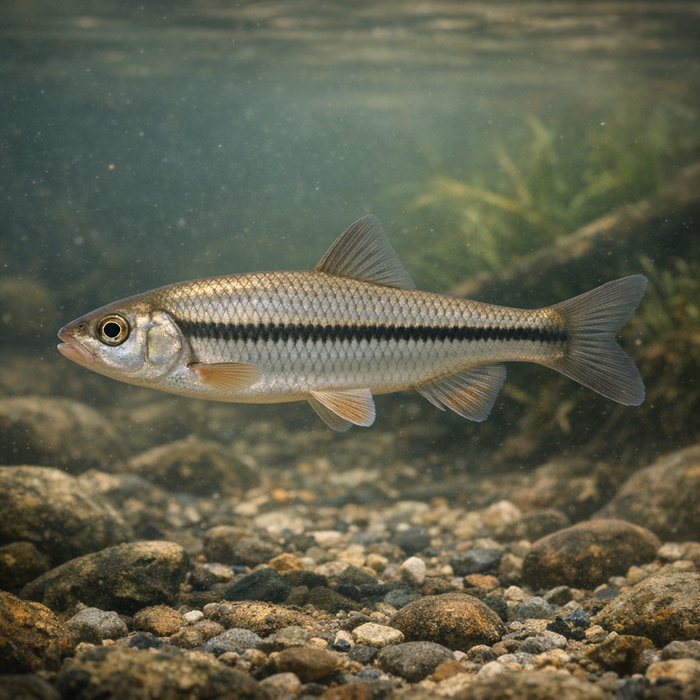
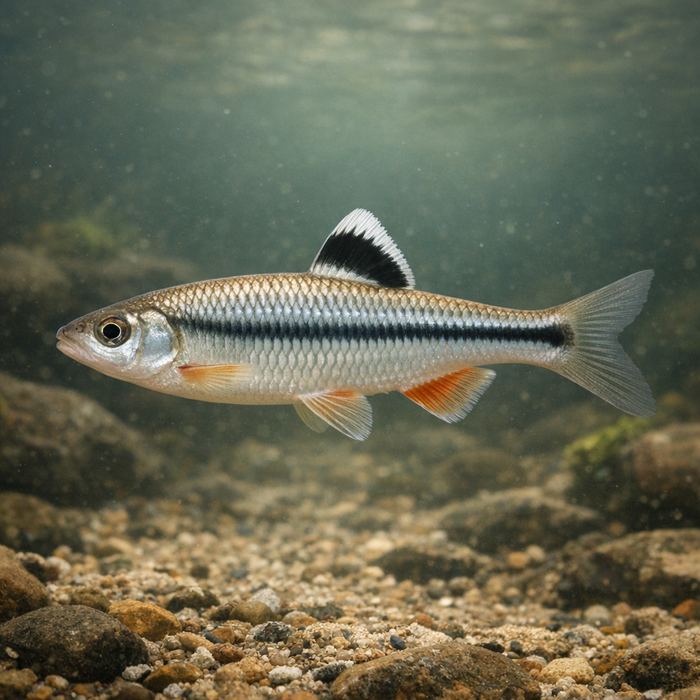
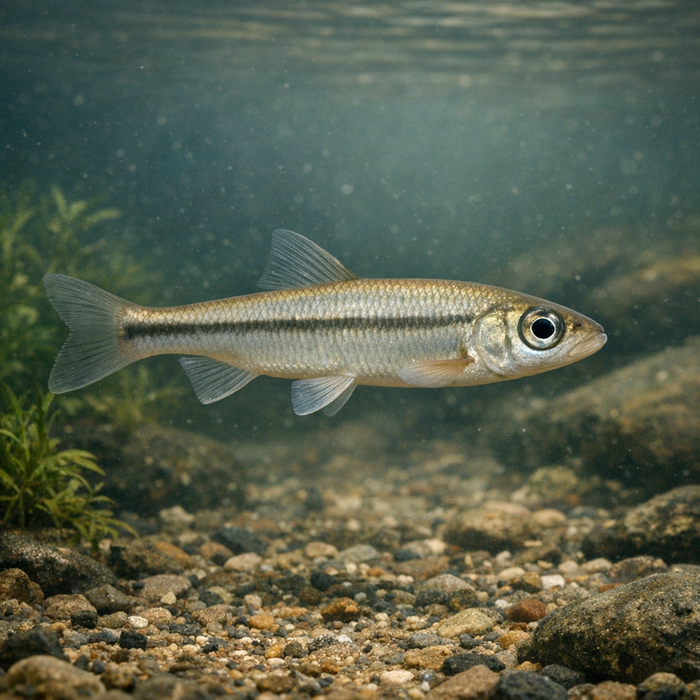
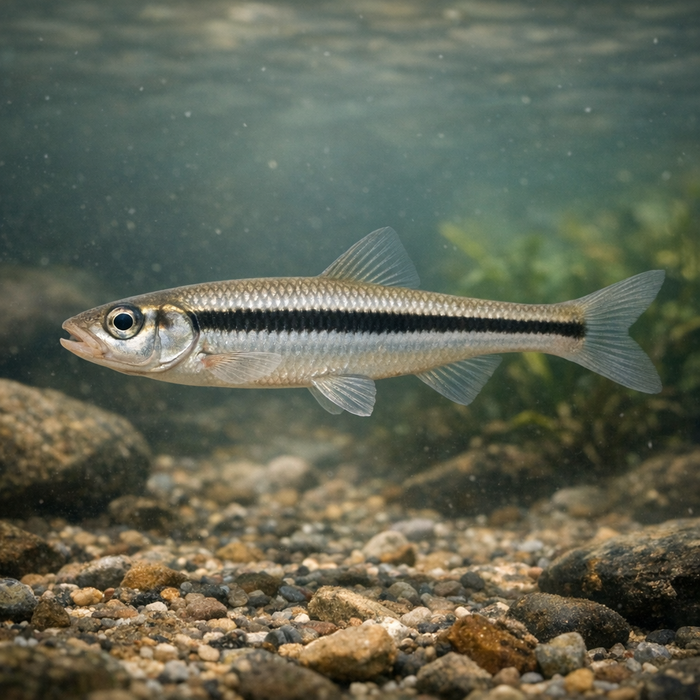
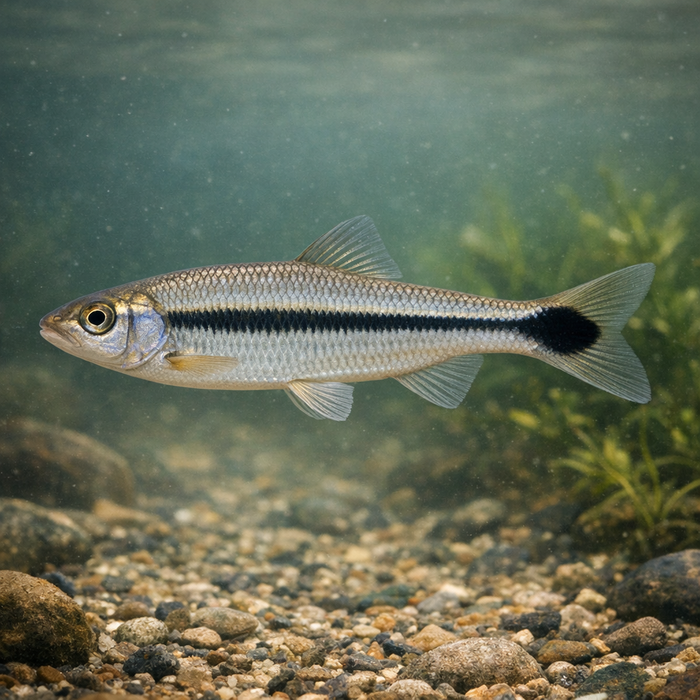
Arroyo chub (Gila orcuttii): A Bold, Memorable Hook LineIntroductionThe Arroyo chub is the scrappy local that turned SoCal creeks into its personal dojo. It's small, resilient, and way tougher than it looks. In waters where summer bakes and winter floods, this native minnow keeps showing up, stacking the odds by spawning often and surviving places more glamorous fish would never dare. If you want Arroyo chub facts served without the textbook yawn, you're in the right creek.What Makes the Arroyo chub Unique?Start with heat tolerance. The Arroyo chub can handle bathtub-warm water that would KO trout. Add a high-gear life strategy: mature fast, spawn in batches, and spread risk across a whole season rather than a single make-or-break moment. Then layer in stealth design. A small, subterminal mouth lets it sip drifting bits with sniper precision instead of sprinting after prey. The result is a native minnow that dominates calm pools and side channels while everything else argues about water temperature.Habitat & Global RangeDespite the swagger, the Arroyo chub is a homebody. It's a Southern California coastal-stream specialist, favoring slow runs and pools with sandy or silty bottoms, overhanging brush, and undercut banks. Think low-gradient creeks that warm up fast and drop even faster in a dry year. When flows shrink, Arroyo chub hunker in the remaining pockets; when the rains return, they ride the fresh current and repopulate. If you're scouting Arroyo chub habitat, look for quiet water off the main push, especially where shade and submerged roots create soft edges.Behavior & TemperamentThis isn't a brawler; it's a nibbler with moves. Arroyo chub travel in loose schools and feed throughout the day, often peaking when the light softens and insects drift predictably. Surface sips happen, but most of the action is midwater or just off the bottom. They're cautious in clear water and spook from clumsy wades, yet they'll return quickly if you post up and chill. Hook one on ultralight gear and the fight is more flutter than freight train, but the numbers game and the technical presentation can be addicting.Ecological ImportanceThe Arroyo chub punches above its weight as a native forage and nutrient cycler. It hoovers up invertebrates, grazes a bit, and then gets recycled by larger predators in systems that still support them. Because it thrives where flows pulse between feast and famine, it stabilizes food webs in creeks that regularly test fish physiology. When Arroyo chub numbers crash, it's a pretty good tell your watershed is hurting.Conservation & Environmental PressuresHere's the rub: resilient doesn't mean invincible. Channelization, groundwater pumping, urban runoff, and nonnative predators all squeeze Arroyo chub populations. Even where numbers look good, the habitat can be a patchwork of good pockets separated by long, fish-hostile reaches. California has flagged the species as a conservation concern in many basins, which means anglers should keep regulations on speed-dial and treat these fish like the locals they are. Handle with wet hands, keep them submerged for photos, and let them rocket back into the brushy margin.The FishyAF TakeThe Arroyo chub is the perfect reminder that fishing is about water, not just weight. It asks for stealth, tiny presentations, and a better read on current seams than most creek brutes ever demand. If you're chasing a good time within city limits, the Arroyo chub delivers quick hits, visible eats, and a crash course in small-water discipline. Learn this fish and your whole light-tackle game levels up. Call it microfishing if you want. We call it paying attention-and that's a skill that scales.