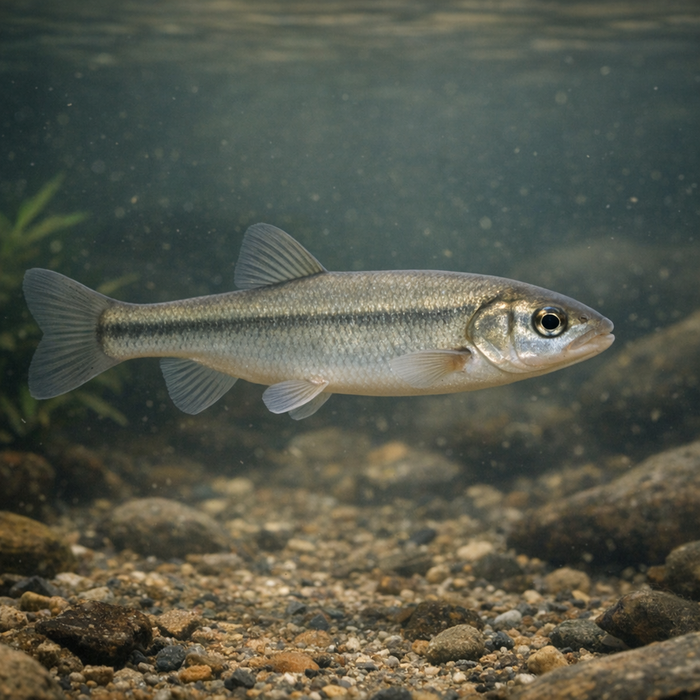
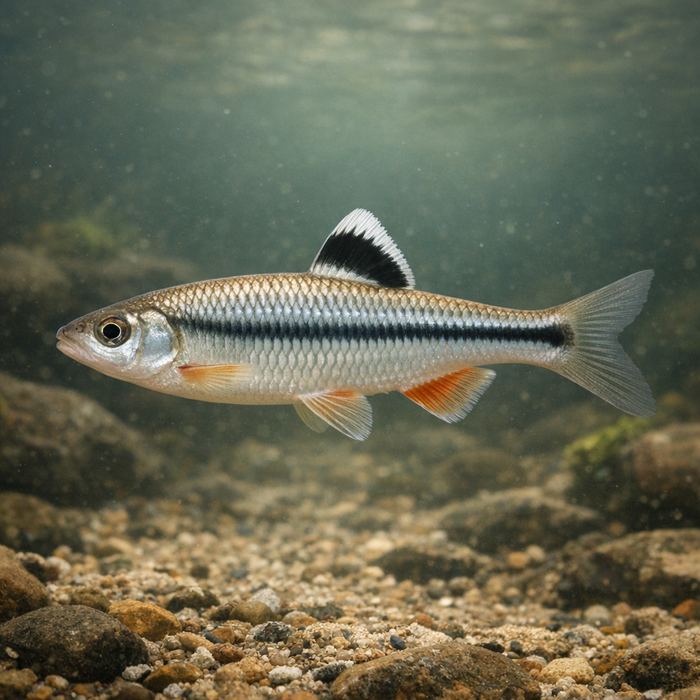
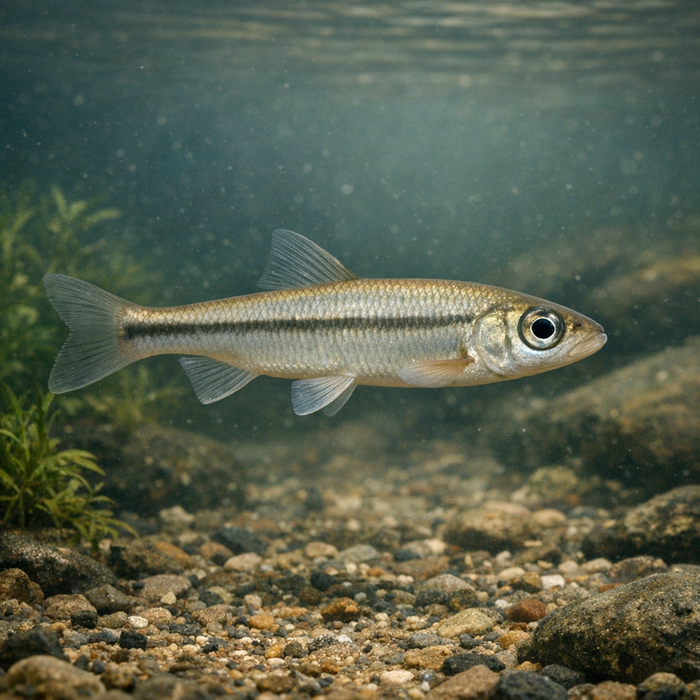
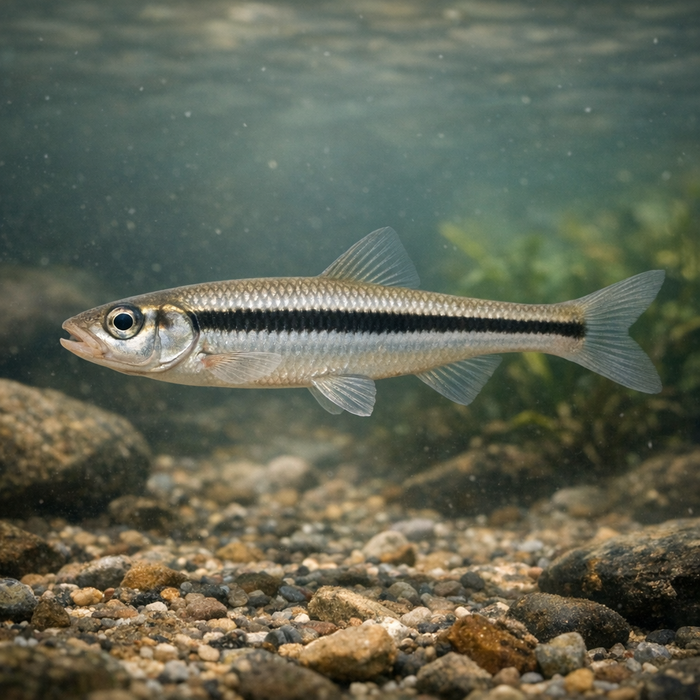
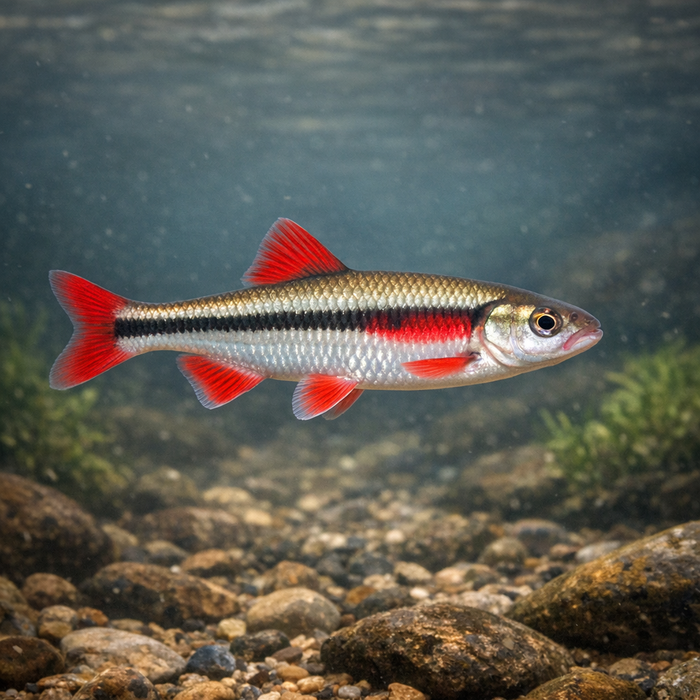
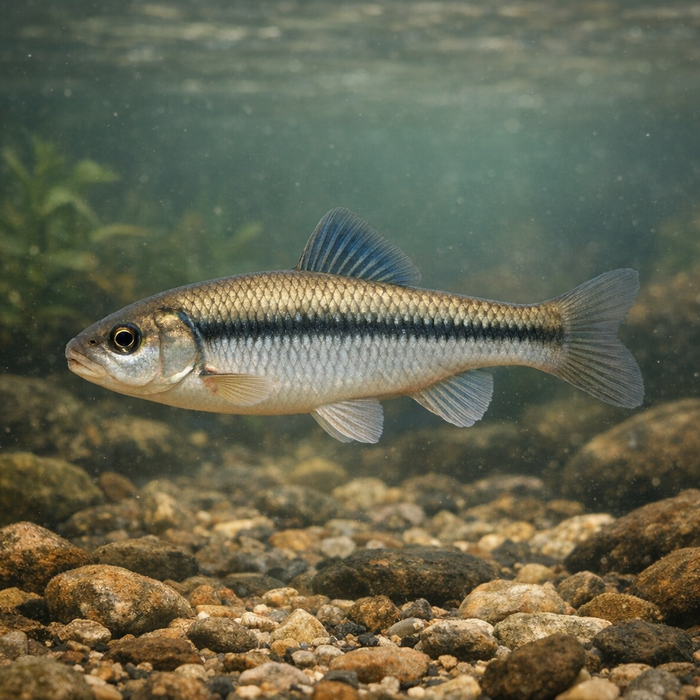
Blacktail shiner (Cyprinella venusta): A Bold, Memorable Hook LineIntroductionThe Blacktail shiner is proof that swagger comes in small packages. Sleek, silver, and flashing a black wedge on its tail, this minnow turns riffles into runways and bait buckets into pandemonium. You do not have to chase marlin to enjoy clean, technical fishing; sometimes a size 22 hook and a palm-sized prize deliver the purest hit of fun. Welcome to microfishing with attitude.What Makes the Blacktail shiner Unique?Start with the signature tail: a crisp black wedge that pushes into the tail rays like an ink spill. Then layer in breeding armor. Males darken and sprout tiny head tubercles during spawning, using that sandpapery forehead to jostle rivals in crevices. Finally, give it a showman's palette. Courtship can flip the fish from chrome-silver to smoky blue in minutes. If you like fish with personality, this one practically winks.Habitat & Global RangeIf you are scouting Blacktail shiner habitat, think clean movement. They favor clear to moderately turbid streams and rivers throughout the Southeast, across much of the Gulf Coast, and deep into big-river tributaries. Riffles, runs, and pool margins with gravel, cobble, or firm sand are the main stage. They also settle into reservoirs and tailraces, especially where current sifts the bottom and concentrates drifting insect bits. Expect them in one to six feet of water, sliding just off the hard flow or stacking behind boulders, rootwads, bridge riprap, and downed timber. As water warms, schools roam more, but spring pushes them shallow for crevice spawning in rocks and manmade structure. The range is broad, but the fish still reads the fine print of current and substrate.Behavior & TemperamentThis is a schooling, midwater cruiser with fast-twitch reflexes and a short attention span. They surge to drifting morsels and spook from sloppy shadows. In clear water, sloppy presentation and heavy line put them on edge in a heartbeat. During the spawn, males defend crevices and fan eggs tirelessly, creating a rhythmic shimmer in riffle heads. Outside of spawning, they form larger, looser packs that pulse along seams and eddies. The fight is quick darts and skittering flashes, more like catching electricity than wrestling anything. Hook one and the school may explode, only to reassemble a few yards downstream seconds later.Ecological ImportanceBlacktail shiner facts start getting interesting when you zoom out. They move calories from insects and detritus straight up the food chain, fueling bass, crappie, catfish, and wading birds. Eggs and larvae feed invertebrates and other minnows. Their habit of crevice spawning tucks vulnerable eggs into microhabitats that also house aquatic insects, tying together rock texture, flow, and productivity. Lose the small fish and you do not just lose forage; you loosen the bolts on the entire warmwater river machine.Conservation & Environmental PressuresGood news first: the Blacktail shiner is currently listed as Least Concern. That does not mean it is bulletproof. Sedimentation can smother crevices and riffles. Stagnant, algae-choked pools reduce oxygen and visibility, turning a well-oiled minnow into a stressed, skinny one. Dams reorder flow and temperature, helping some populations while squeezing others. And careless bait transport can shuffle genetics between drainages. It is a tough little fish, but it writes thank-you notes to clean gravel and steady, oxygen-rich current.The FishyAF TakeThe Blacktail shiner is the gateway drug to technical river fishing. It rewards stealth, micro-precision, and reading current with almost comical speed. Think of it as the espresso shot of freshwater angling: small, intense, and habit-forming. You can fill an afternoon learning seam language, dialing hook gaps, and watching schools part around your line like a split curtain. If you want to teach a kid current basics, or remind yourself why finesse matters, blacktail shiner habitat is a masterclass. It is not a trophy, it is a test. Pass it, and everything else you fish gets sharper.