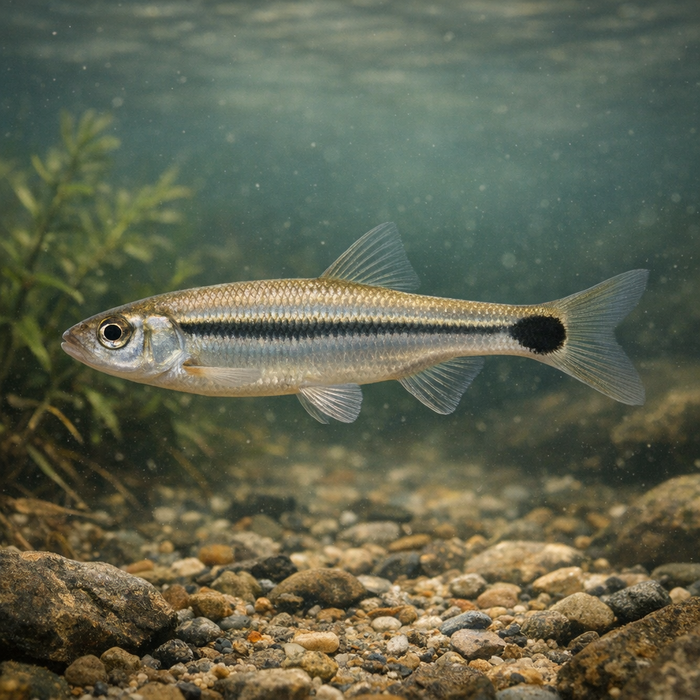
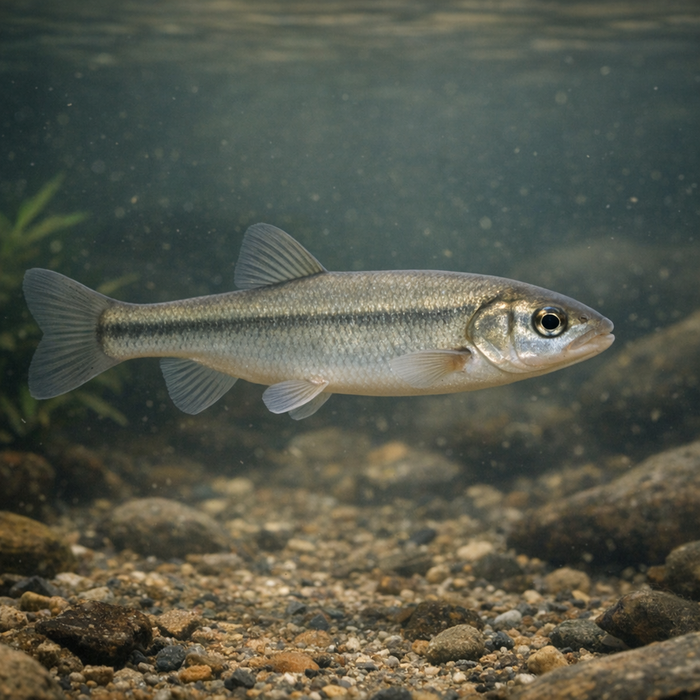
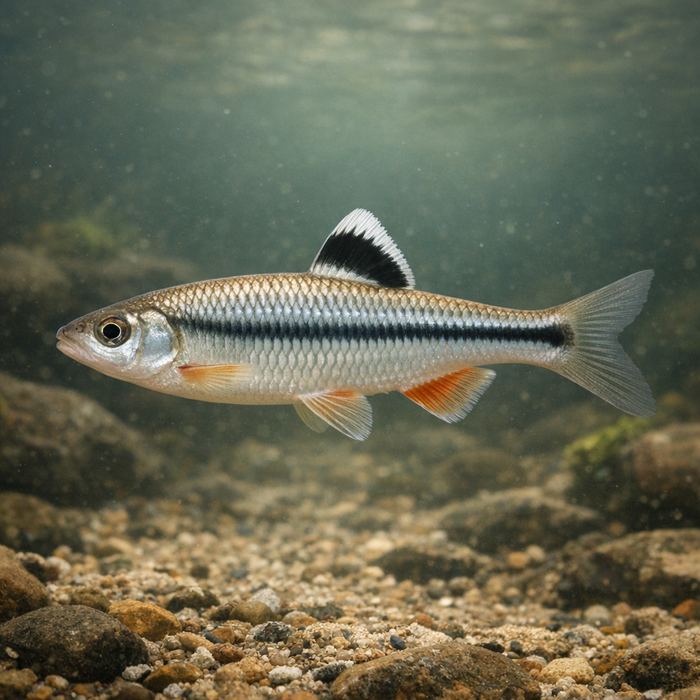
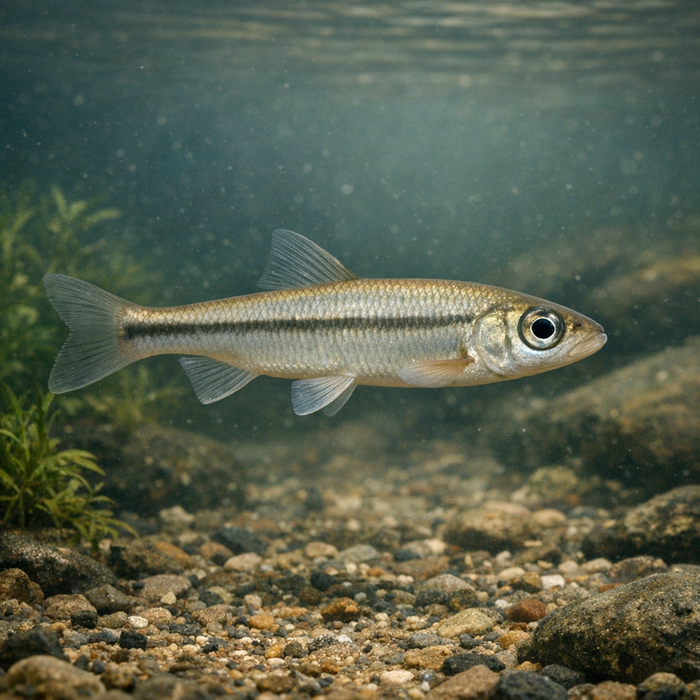
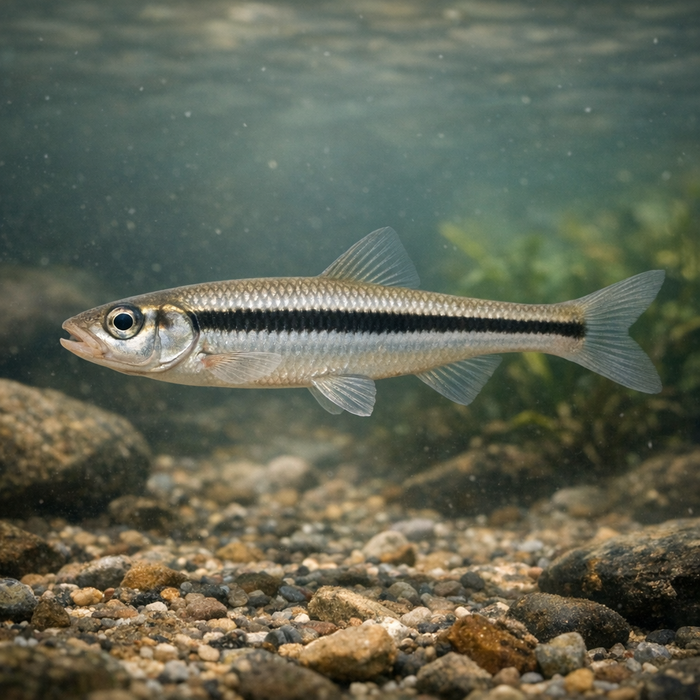
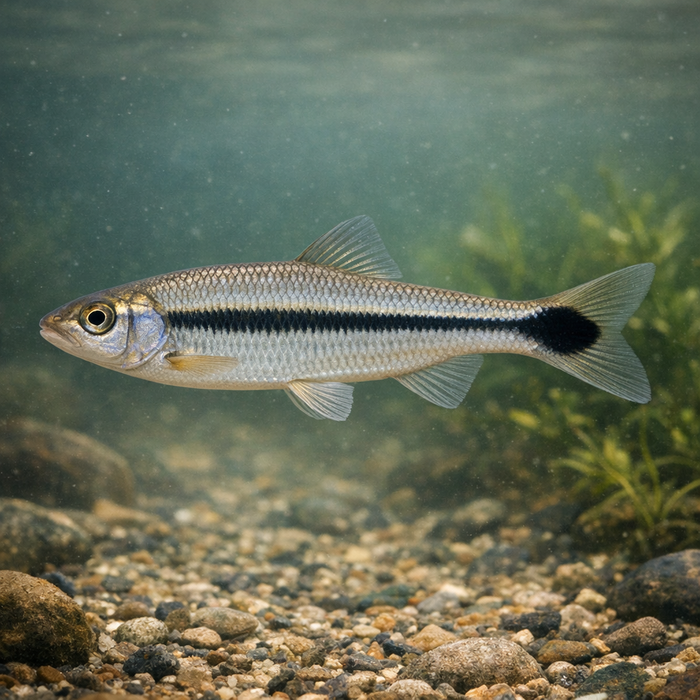
Bleeding Shiner (Luxilus zonatus): A Bold, Memorable Hook LineIntroductionThe bleeding shiner is proof that the Ozarks do flashy better than Vegas. It's a small, hard-hustling minnow that lights up rocky streams with chrome sides and, in spawning season, a jaw-dropping red face and fins. Anglers chasing micro species, bait collectors, and curious river rats all know the moment they drift into a riffle alive with these jittery rockets. Consider this your fast tour through bleeding shiner facts, behavior, and the kind of bleeding shiner habitat that stacks the deck in your favor.What Makes the Bleeding shiner Unique?Two things: color and texture. When spring flips the switch, male bleeding shiner erupt with a crimson blaze across the snout, lower jaw, and fin edges that makes their name feel literal. Get them in the sun and the body throws a crosshatched sparkle, the diamond-scale pattern winking like chainmail. During the same window, males develop fine tubercles you can feel as sandpaper on the forehead, built for bumping rivals and riding the chaos of a crowded riffle.Habitat & Global RangeThe bleeding shiner is an Ozark Highlands specialist, most at home in clear, cool, well-oxygenated streams with gravel and small rubble. Think pool-riffle-run sequences where current does real work but there's always a soft edge: back-eddies, undercut banks, and boulder seams. You'll encounter them across swaths of Missouri and Arkansas with touches into Kansas and Oklahoma headwaters, tracking watersheds more than state lines. They're stream fish at heart, occasionally slipping into small impoundments but always showing best where current, clarity, and clean substrate line up.Behavior & TemperamentOutside the spawn, the bleeding shiner schools tight, often in mixed-species groups with other Luxilus and Notropis shiners. They graze and pick through the column, quick to slide higher for drifting insects and just as quick to duck back to mid-depth. In spring and early summer, masses push into riffles to broadcast eggs into clean gravel, the whole scene pulsing red when dominant males strafe by. They're skittish to shadows but reactive to motion and flash, a classic small-fish balance: survive by jitter, thrive by speed.Ecological ImportanceSmall but not small-time. The bleeding shiner plugs a lot of river circuitry: it translates invertebrate energy into snack-sized protein for smallmouth bass, rock bass, and a stack of sunfishes. Dense schools also create social and sensory cover for other minnows, and their egg scatter helps cycle nutrients straight into the gravel microcosm. When shiners bloom, everything with a lateral line in the neighborhood pays attention.Conservation & Environmental PressuresOfficially the bleeding shiner sits at Least Concern, but that's not a hall pass. Their whole hustle depends on clean flow and stable gravel. Siltation from bad crossings, bank trampling, or sloppy development gums up spawning substrate. Warm, stagnant water shoves oxygen down and fish out. Add careless bait transfer between drainages and you've got genetic and disease headaches. The fix isn't dramatic: keep banks vegetated, crossings smart, and bait buckets honest. Good Ozark streams aren't rare by magic; they're maintained by choices upstream.The FishyAF TakeThe bleeding shiner is the river's neon indicator light. If you wade into a riffle and see dozens sparking under the sun, you're standing in a healthy system. Want to break the ice on microfishing? This is your starter fish with personality. Tight schools, bright colors, and just enough attitude to make tiny hooks feel justified. It won't spool your reel or anchor your wall, but it will teach you current, stealth, and the pure joy of watching a stream come alive. Sometimes a few inches of fish is a mile of lesson.