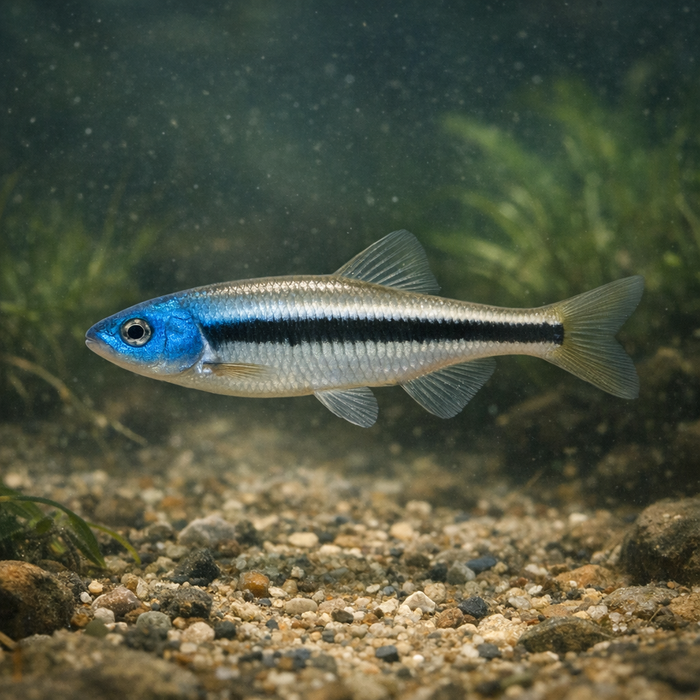
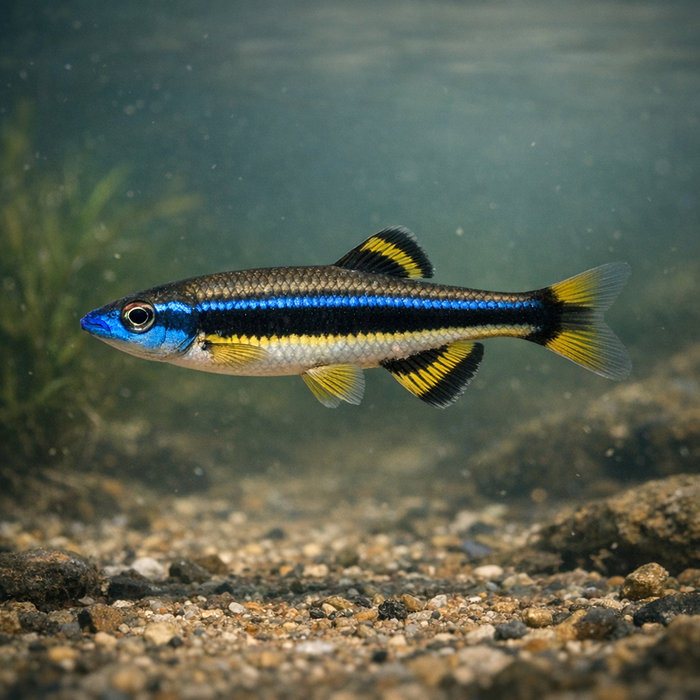
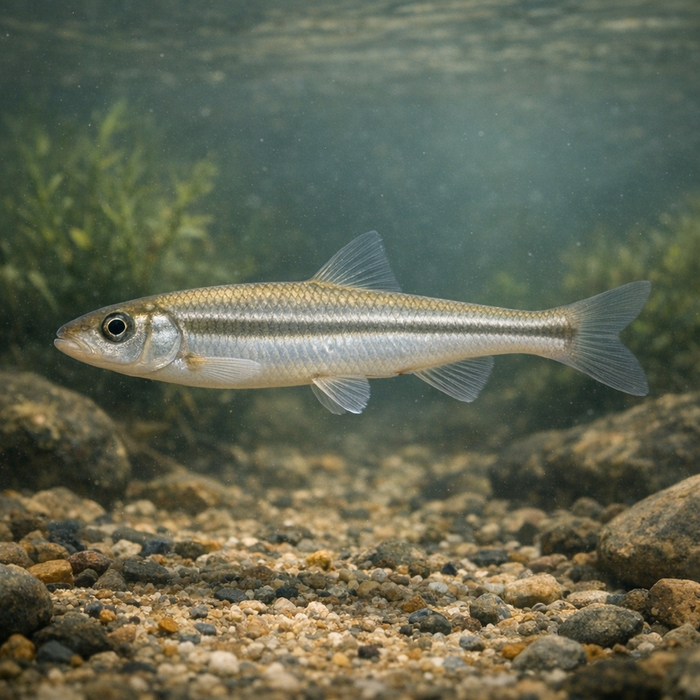
Topeka shiner (Notropis topeka): Prairie-water charisma in a pint-sized packageIntroductionThe Topeka shiner is the kind of fish that makes fish nerds grin and casual anglers squint. It's tiny, fast, and wearing just enough flash to turn a clear prairie stream into a runway. You won't be spooling drags with this one, but if you care about clean water, wild prairies, and rare success stories, the Topeka shiner deserves a permanent spot in your mental tackle bag.What Makes the Topeka shiner Unique?For starters, the Topeka shiner is a legendary nest poacher. Instead of building and defending its own real estate, it slips eggs into the guarded nests of sunfish, often orangespotted or green sunfish. Free childcare, courtesy of the neighborhood brawler. Come breeding time, males pop with orange-tinted fins and a sharp, dark midline-subtle from above, striking up close. Most anglers never see one; those who do usually notice a tight school behaving like quicksilver at the seam of current and slack water. Add in its federal endangered status and you've got a species as rare in catches as it is rich in story.Habitat & Global RangeThe classic Topeka shiner habitat is a clear, cool-to-warm prairie stream stitched with off-channel oxbows and quiet backwaters. Think sandy or fine gravel bottoms, stable flows, and as little silt as possible. This fish is a Midwestern original, hanging on in pockets of Iowa, Kansas, Minnesota, Missouri, Nebraska, and South Dakota. Restored oxbows are the crown jewels, acting like lifeboats during droughts and flash floods. If you're hunting Topeka shiner facts, start with water clarity and stable cover; if those two things are missing, the shiners usually are too.Behavior & TemperamentThe Topeka shiner is a schooler, jittery by design. It holds near gentle current but prefers the safety of sidepools and undercut banks, where it can bolt into vegetation. Feeding happens mostly midwater on tiny invertebrates and drifting microfauna. When the spawn clicks in late spring into summer, shiners stage around sunfish nests and pull the old daycare heist. They're not fighters in the sportfish sense, but they're quick, delicate, and demanding of precise, ultralight presentations if you're observing or microfishing where legal.Ecological ImportanceThis minnow is a walking water-quality meter. Topeka shiner habitat thrives when sediment is low, flows are stable, and riparian cover is intact. When those things tank, shiners vanish. Their presence signals an entire prairie-stream community working right: aquatic insects popping, sunfish defending nests, and oxbows acting as seasonal refuges. Lose the shiner and you lose a lot of subtle magic that keeps small rivers lively.Conservation & Environmental PressuresThe big villains are sedimentation, channelization, drought-flash flood whiplash, and the loss of off-channel habitat. Livestock trampling, road ditches funnelling silt, and straightened creeks all beat up the places shiners need. The species is federally endangered, but there's hope: targeted restoration is rebuilding oxbows and reconnecting floodplains. In those reborn side channels, schools rebound, proving that the fix isn't theoretical-it's happening where people commit to it.The FishyAF TakeThe Topeka shiner won't headline a grip-and-grin, and that's the point. This fish is for anglers who like solving puzzles, not just yanking line. Think field notebook, polarized glasses, and patience. Topeka shiner habitat is fragile, so if you see them, treat the spot like a secret worth keeping. Snap a respectful photo if regulations allow, admire the color, then let the water settle. Some species are bragging rights. This one is bragging responsibility. If your local stream holds Topeka shiners, you're fishing a success story in progress.