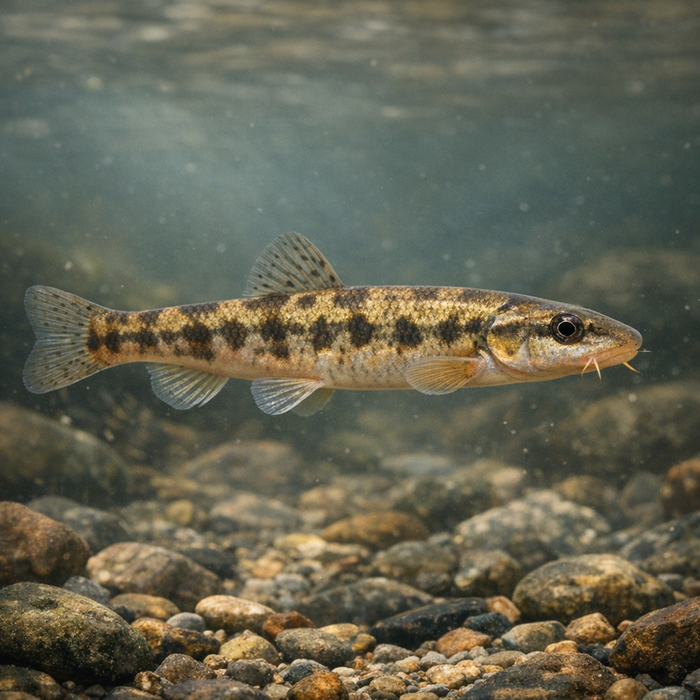
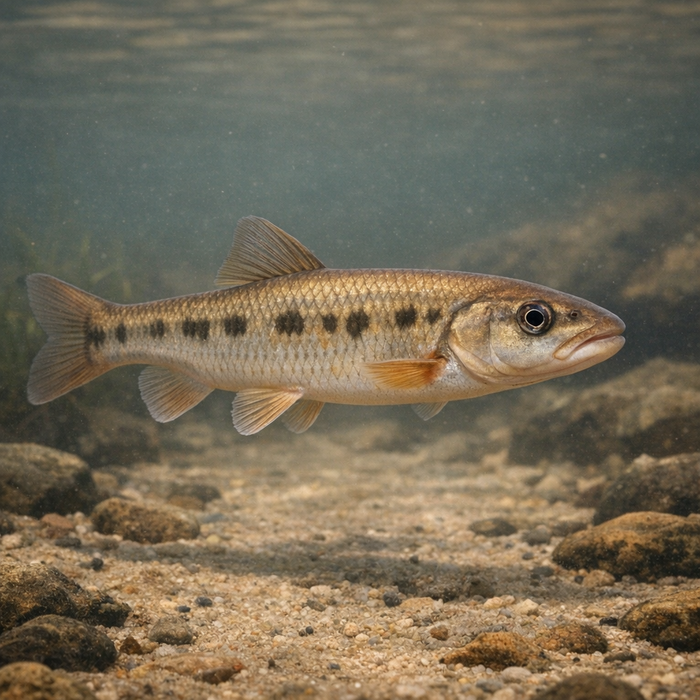
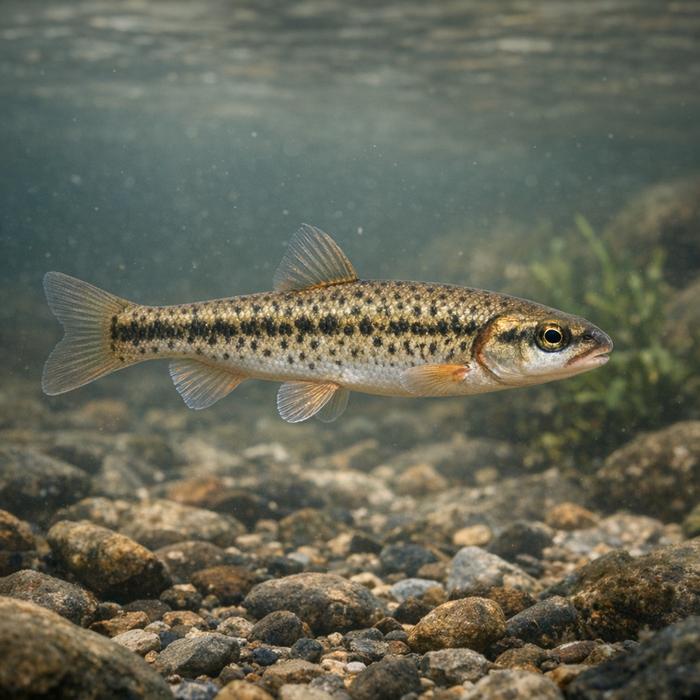
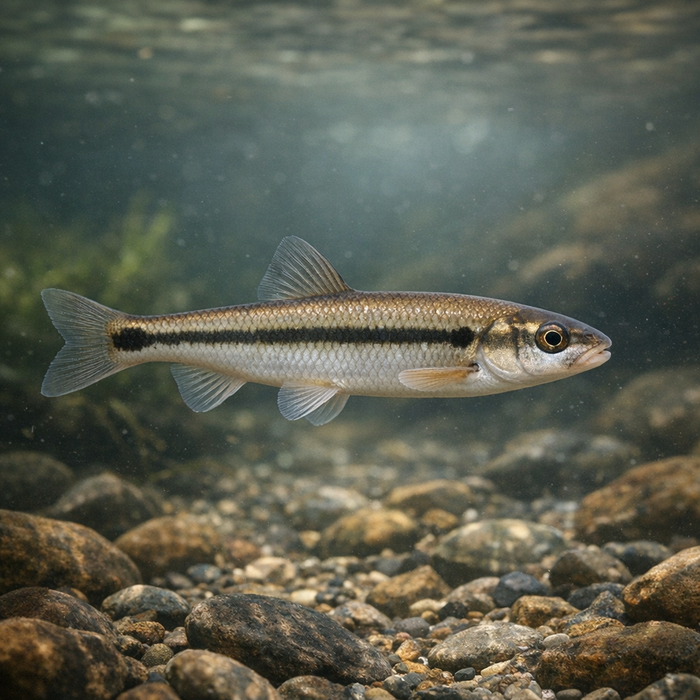
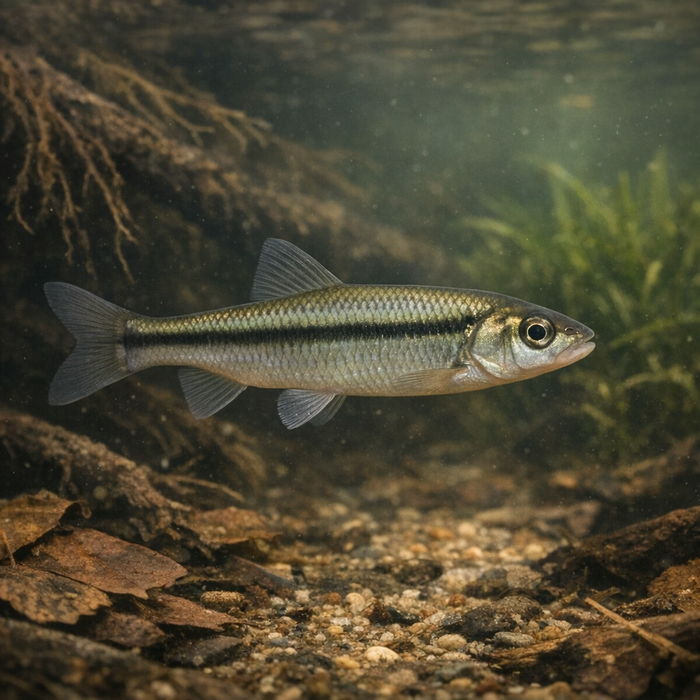
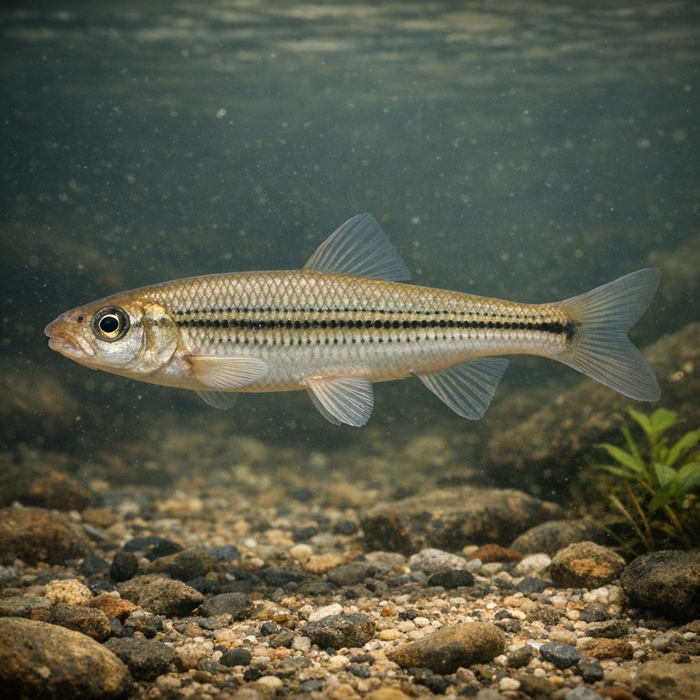
Western silvery minnow (hybognathus argyritis): The tiny chrome ghost of prairie rivers that thrives where others tap out.IntroductionThe western silvery minnow is the plain-clothes hustler of the Great Plains. It doesn't leap, slash, or headline tournaments. It just survives in big, brown, shifting rivers that make fancy fish wheeze. For anglers who appreciate the gritty details, this minnow is a microfishing prize and a masterclass in how life adapts to turbid, sand-driven flow. If you're digging for Western silvery minnow facts or scouting Western silvery minnow habitat, you're chasing a specialist with serious river chops.What Makes the Western silvery minnow Unique?Two things: plumbing and parenting. First, the gut is long and coiled, a hallmark of an herbivore-detritivore that scours organic fuzz from silty bottoms. Second, the species is a drift spawner. Eggs are semi-buoyant and hitch a ride downstream, hatching as they move. That combo lets the western silvery minnow turn muddy water into a buffet and a nursery at the same time. The body carries clean silver with minimal fuss, a subterminal mouth for vacuuming fine material, and schooling behavior that stacks numbers where flow softens.Habitat & Global RangeThink big prairie rivers and tributaries with sand and silt, not cobble glamour shots. The western silvery minnow is a child of the Missouri River system and similar plains drainages. It thrives in slow to moderate current, side channels, backwaters, and runs where the river quietly muscles past sandbars. Depth isn't dramatic; a couple feet of chocolate milk can hold an army. As flows rise and fall, channels shift, and so does the fish. That's the Western silvery minnow habitat playbook: be where the food drifts, survive the flush, and regroup in calmer lanes.Behavior & TemperamentSchooling is the headline. These fish move in groups, picking at fine organic material and small invertebrates stirred from the bottom. They are not brawlers; hook one on micro gear and you'll feel a quick, feathery pulse. Spawning often keys to rising, warm-season flows. When rivers swell after storms, the eggs ride the current, spreading risk and colonizing fresh habitat patches. Western silvery minnow usually stays low in the water column, hugging bottom or midwater in softer seams rather than cruising the surface.Ecological ImportanceThe western silvery minnow is small, but it's a big-time energy broker. By converting algae and detritus into fish flesh, it feeds an entire cast of predators. Sandbar birds, bigger fish, and even mammal foragers all cash the checks this minnow writes. In short, it's the lunch money that keeps river corridors running. When its numbers dip, that missing energy echoes up the food web.Conservation & Environmental PressuresThe species can handle turbidity, but not everything. Dams slice apart drift corridors, alter flow timing, and starve downstream reaches of sand. Channelization straightens out the lazy lanes this minnow favors. Water withdrawals thin the river just when eggs need miles of movement. Local statuses vary by jurisdiction; in some places it's considered a conservation concern because specialized life history doesn't mix well with hard-edged infrastructure. Habitat continuity is the real currency here.The FishyAF TakeThe western silvery minnow is the unsung hero of prairie water. If you chase bass busts and Instagram sunsets, cool. But this fish is a reminder that rivers are machines built on the backs of tiny, tough specialists. Catching one means scaling down, paying attention, and respecting the current. It's not glamorous, but it's honest. And once you connect the dots, you'll never look at a muddy side channel the same way again. That's the beauty of the western silvery minnow: small fish, big system, zero drama.