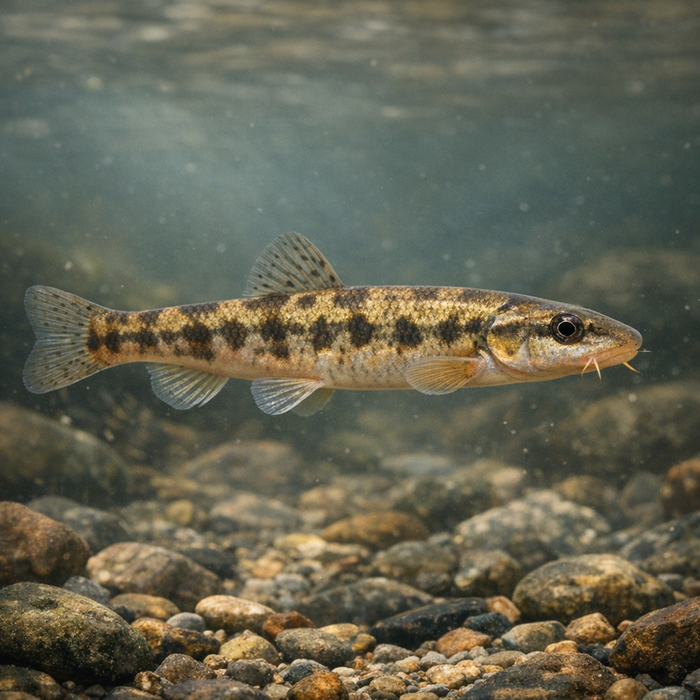
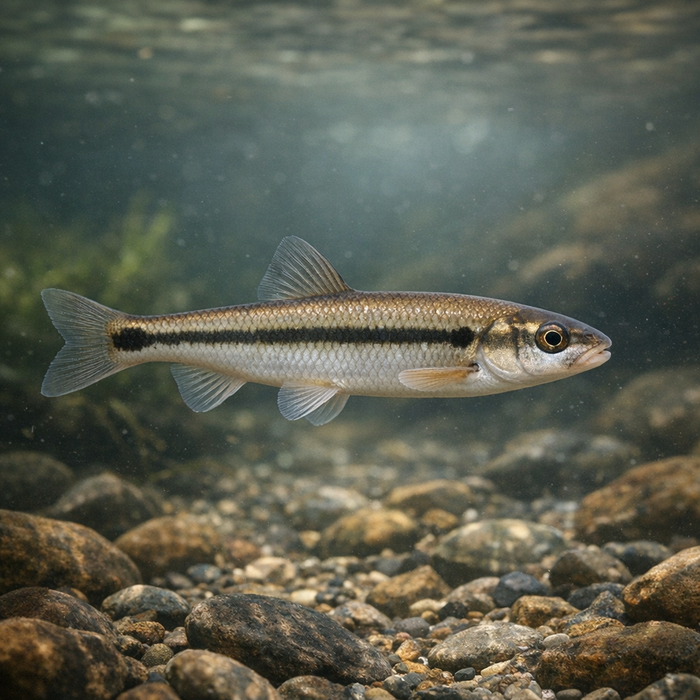
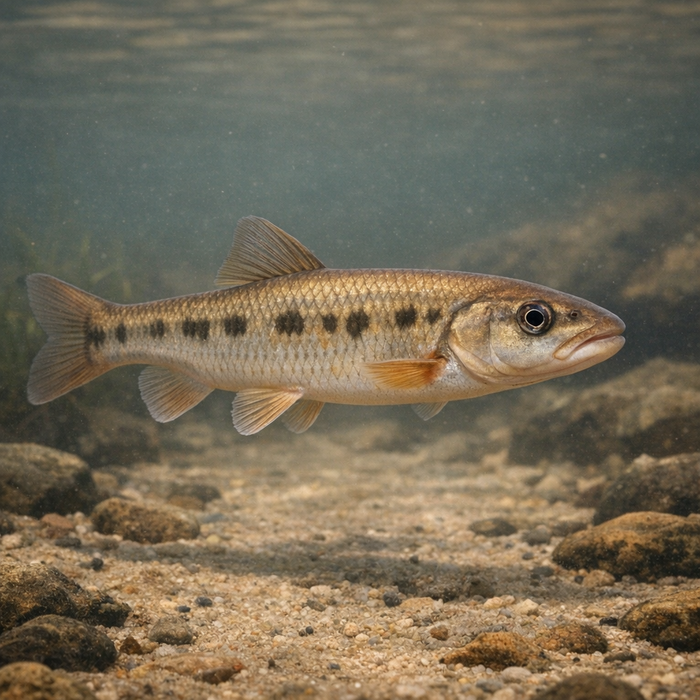
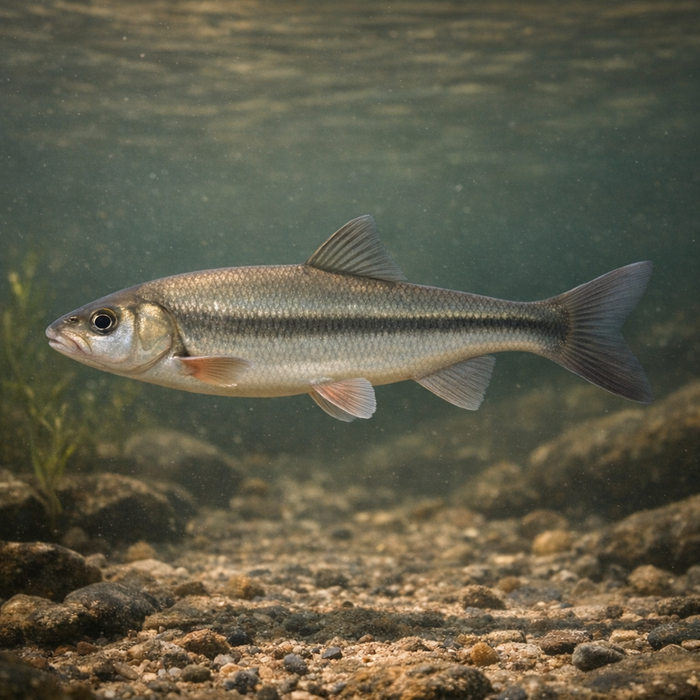
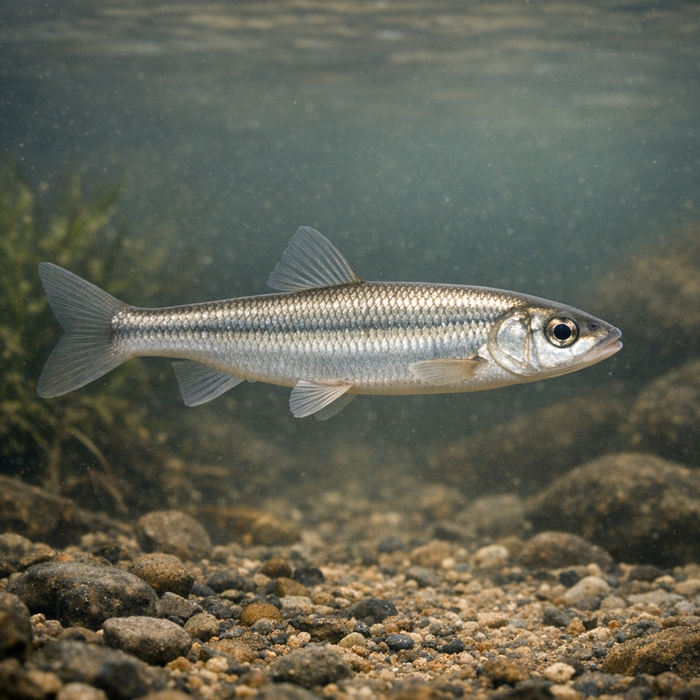
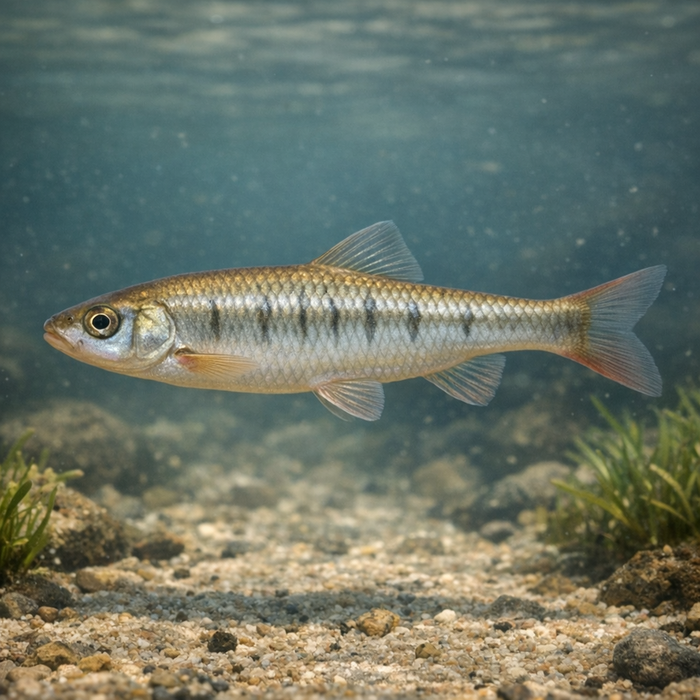
Santa Ana Speckled Dace (Rhinichthys gabrielino): A tiny native surviving in the splash zone of Southern California's headwaters.IntroductionThe Santa Ana speckled dace is the fish version of a ghost story that turned out to be real. Small enough to hide between cobbles and quick enough to vanish if you blink, this micro native outlasted channelization, drought, and urban sprawl by clinging to cold, fast trickles in the mountains above Los Angeles. If you came for Santa ana speckled dace facts and a straight take, buckle up. This is a lesson in how grit beats odds.What Makes the Santa Ana speckled dace Unique?Start with scale: adults are only a couple inches long, a bona fide microfish. Yet breeding males light up with faint orange on the fins and bold speckling that gives the species its name. The big twist is taxonomic. Long lumped with speckled dace elsewhere, it was recently described as Rhinichthys gabrielino, sharpening the focus on a lineage uniquely tied to Southern California headwaters. For a fish this small, that kind of scientific upgrade is a big deal.Habitat & Global RangeForget big rivers. The Santa Ana speckled dace lives where the current snaps and the water is ankle deep. Think cool, oxygen-rich riffles, spring-fed seep lines, and pocket water that looks too skinny to hold anything larger than a grasshopper. The practical map is extremely tight, centered on mountain tributaries of the San Gabriel and Santa Ana systems. When anglers ask about Santa ana speckled dace habitat, the honest answer is this: pinpointed, cold, and fast. Short upstream movements track stable flows and clean gravel. When conditions swing, the fish tucks into boundary layers behind stones, undercut banks, and tiny plunge pools.Behavior & TemperamentCall it jittery precision. The Santa Ana speckled dace feeds by darting, holding in micro-eddies, then flashing forward to nip a drifting morsel. It schools loosely, then fractures into singles when the current rifles or shadows pass overhead. During spring, expect small upstream pushes toward shallower, cleaner runs for spawning. This is not a cruiser. It is a sprinter with a plan.Ecological ImportanceSmall fish, big job. The Santa Ana speckled dace is a conveyor belt between algae, invertebrates, and larger predators. It keeps energy moving in short, steep streams where every calorie counts. Because it is sensitive to temperature and sediment pulses, its presence is like a dashboard light for headwater health. If dace thrive, the riffles are clean, cold, and alive.Conservation & Environmental PressuresHere is the blunt version. Habitat fragmentation, warm water, wildfire ash pulses, and channelized valleys have boxed this species into the hills. Water diversions and invasive competitors add pressure. With such a compact footprint, one bad year can hurt. Endangered status reflects that reality. Recovery hinges on cold perennial flow, protected spawning gravels, careful road and fire management, and beating back invasives in headwater refuges.The FishyAF TakeThe Santa Ana speckled dace is proof that charisma does not require length or a forked tail the size of a pizza slice. It is the heartbeat of a riffle, the flicker at your boots when you are busy looking upstream for trout. If you encounter one, you are standing in a rare, high-quality stream segment that deserves respect. Treat this fish like a treasure. Snap a memory, not a hero shot. Around here, the toughest angling flex is leaving a native exactly where it belongs and walking away a little smarter about the river that made it.