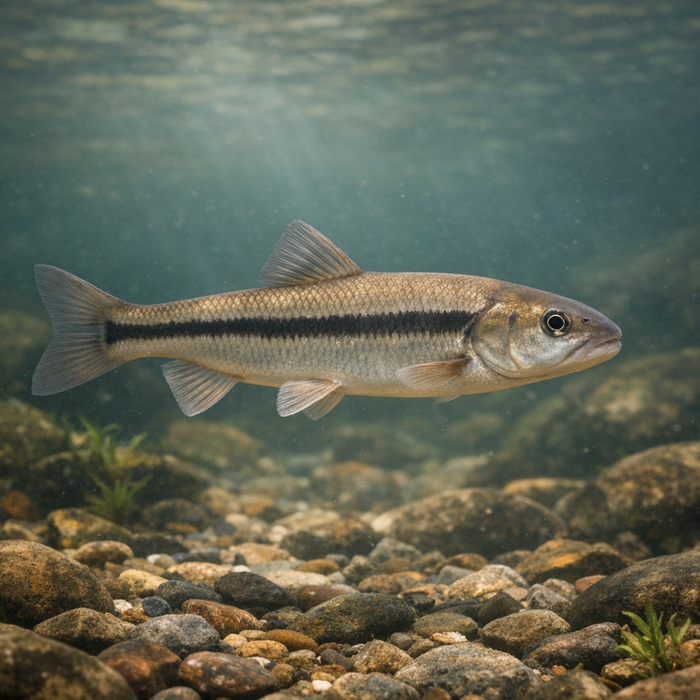
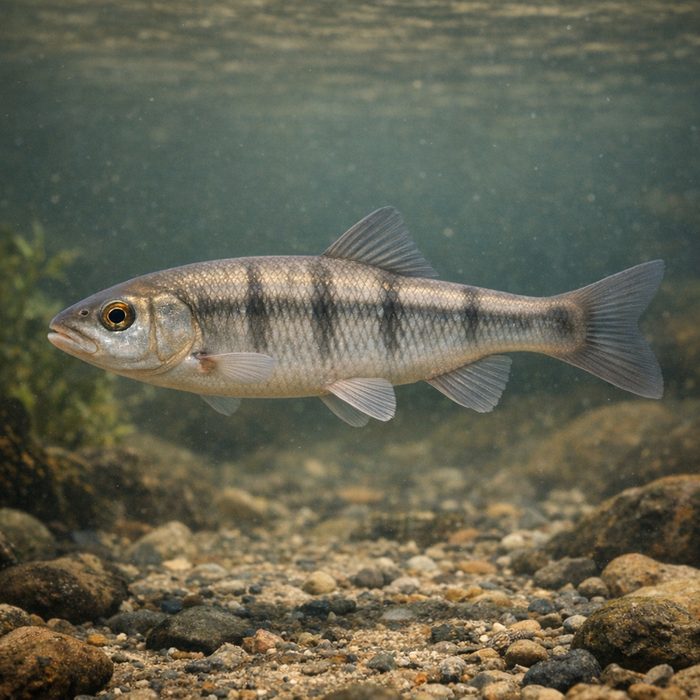
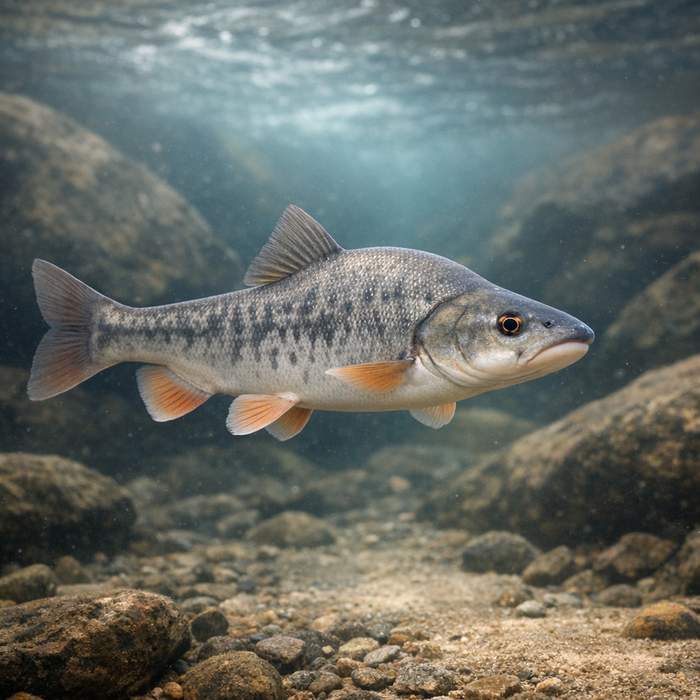
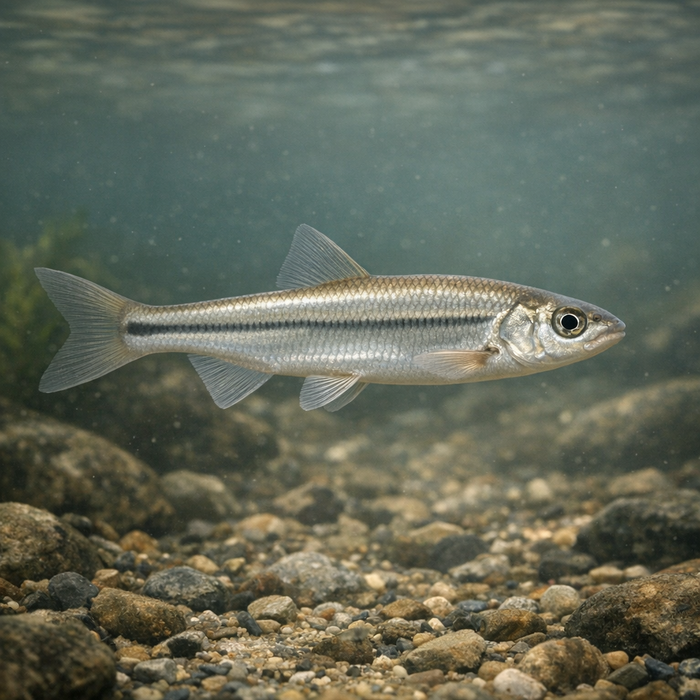
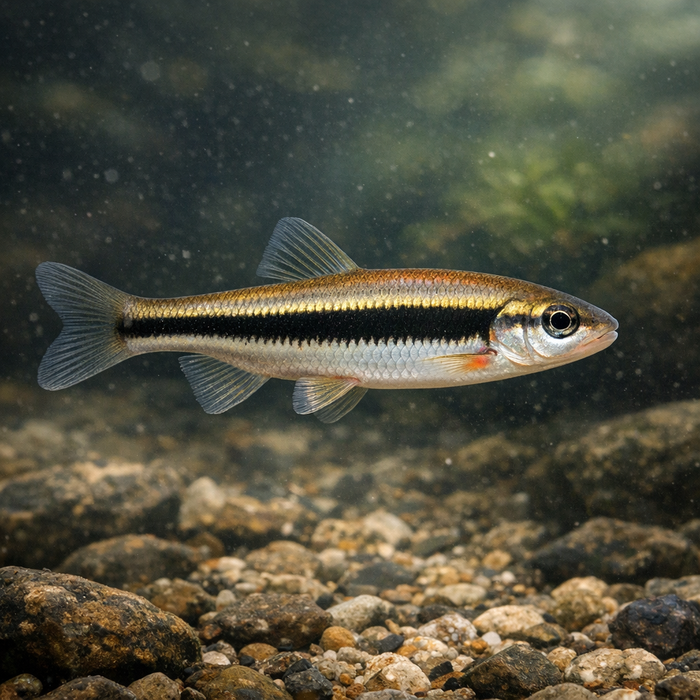
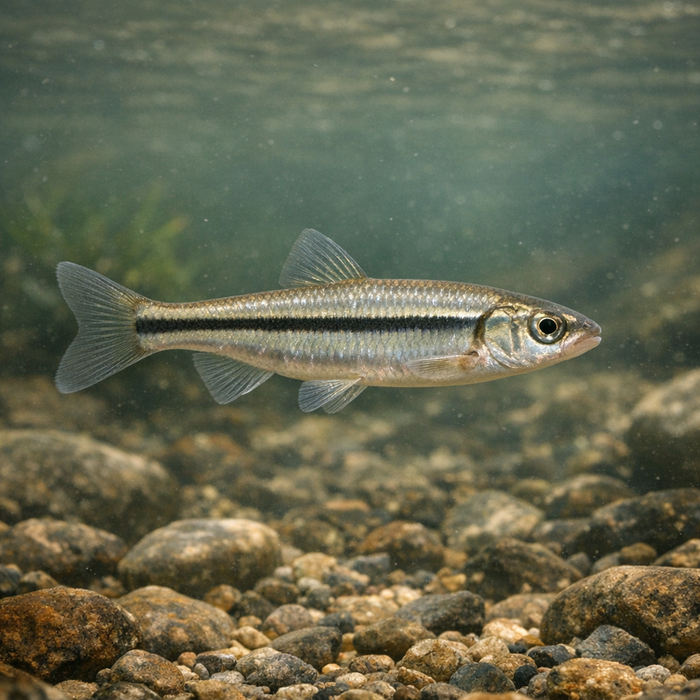
Virgin Chub (Gila seminuda): Desert current junkie with a conservation backstoryIntroductionMeet the Virgin chub, a native of hot, fast desert water that doesn't read the trout playbook. It's built for pushy current, canyon heat, and a lifestyle that runs on grit, not glamour. You probably won't see one on a magazine cover, but this fish is a cornerstone of a rugged river system and a great story for anyone who loves wild waterways and the species tough enough to survive in them. If you want Virgin chub facts that go beyond "small and silvery," stick around.What Makes the Virgin chub Unique?Two things jump out. First, the engineering. The Virgin chub wears a sleek, torpedo frame with an outsized tail, a setup that screams speed and efficiency in heavy desert flows. Second, that name: seminuda. It literally nods to reduced scaling near the tail, a quirk that helps separate it from other western chubs. The species is also a comeback kid. Despite serious habitat pressures, it's held on in the Virgin River with a tenacity that demands respect.Habitat & Global RangeThis is a river specialist tied to one system: the Virgin River and select connected reaches in the arid Southwest. Think swift runs, boulder-studded channels, and deeper mid-river pools where current yawns and eddies rebuild calories. Virgin chub habitat isn't cozy. Summer flows get bathtub-warm, winter can snap cold, and monsoon pulses rearrange real estate overnight. The fish ride it all out, sliding between fast seams and deeper pockets depending on flow and temperature. If you're scanning maps, picture desert canyons, cobble bottoms, and a dynamic hydrograph more than a dot-to-dot of lakes and reservoirs. Call that the quick primer in Virgin chub habitat.Behavior & TemperamentThe Virgin chub is opportunistic and efficient. It holds where current and groceries meet-edges of riffles, tongues of runs, and downstream lips of boulder gardens. As temperatures rise, metabolism follows; warm-season windows often see more movement and feeding. After heavy flows the fish slip into calmer pools, regroup, and push back into runs as water stabilizes. Spawning rides high-summer warmth, with activity centered on cobble and gravel stretches. Don't expect splashy surface antics. This is a midwater-to-bottom operator, built to pluck drifted invertebrates and the occasional small prey as it rockets through seams.Ecological ImportanceStrip away the hype and the Virgin chub is a bellwether. Its presence signals a river with at least some of the old bones intact: natural flows, connected habitat, and the right size mix of cobble and boulder. It stitches together energy in a desert food web, translating invertebrate drift into biomass for native predators and a living indicator for managers who watch flows and temperatures with a microscope. In a basin where nonnative species lean on the system, this chub is proof that native fish can still hold their ground when we give them half a chance.Conservation & Environmental PressuresThe Virgin chub is listed as endangered. That's not drama; it's context. Water withdrawals, altered hydrology, habitat fragmentation, and competition from introduced fishes piled on over decades. Recovery is hands-on: flow management, habitat restoration, barrier fixes, and careful nonnative control. Monitoring leans on standardized sampling and length data, not trophy pictures. For anglers working the desert, the ethic is simple: if you encounter a Virgin chub incidentally, handle it like glass and send it back fast.The FishyAF TakeThe Virgin chub isn't a poster child for hero shots, and that's the point. It's a tough little current addict that proves rivers are more than one marquee species. If you want a story worth telling, learn the river, appreciate the natives that made it in the first place, and flex some stewardship. You'll leave with better river sense and sharper eyes, plus a pocketful of Virgin chub facts to humble whatever you thought you knew about desert fish. In our book, that's a win.