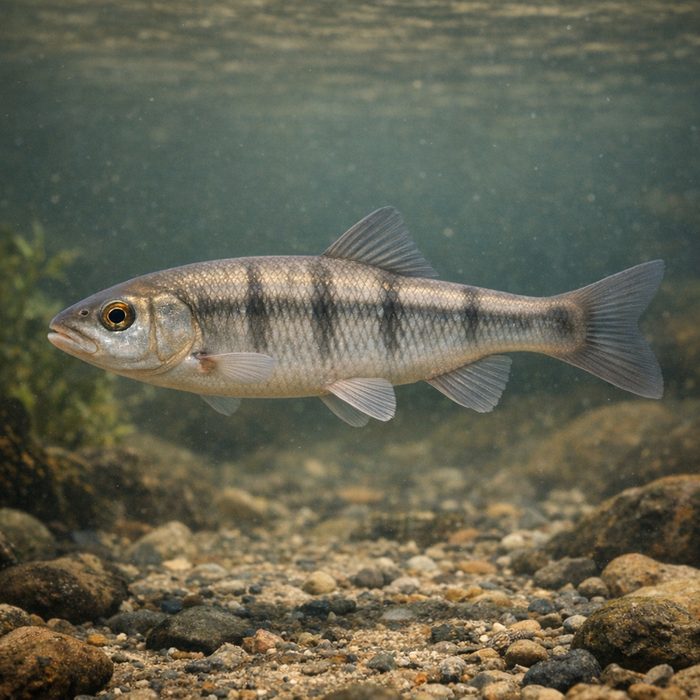
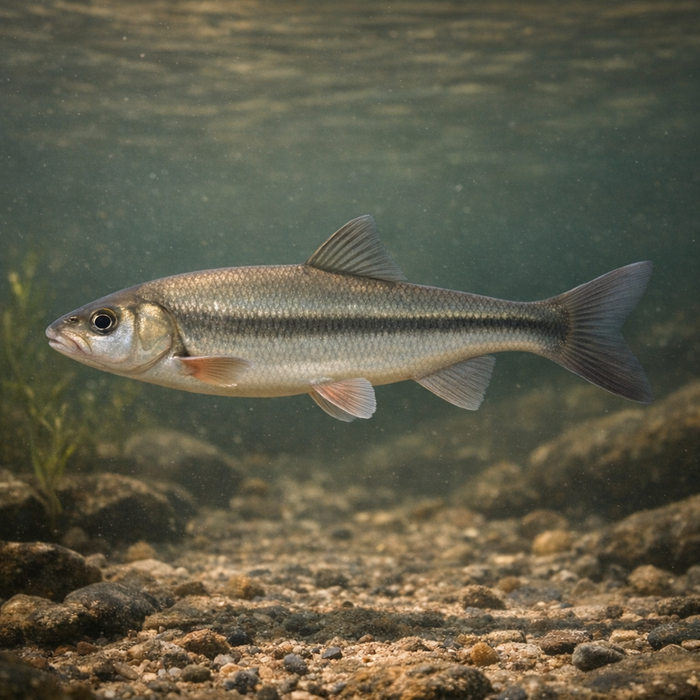
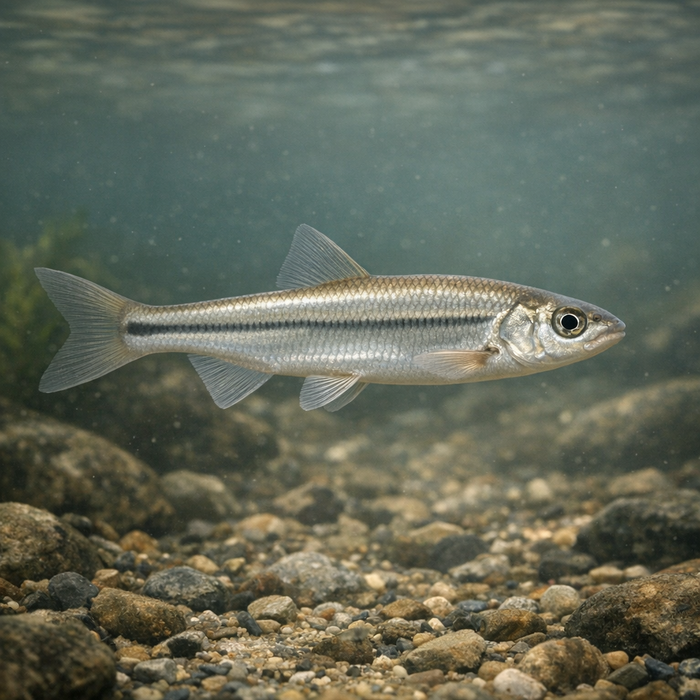
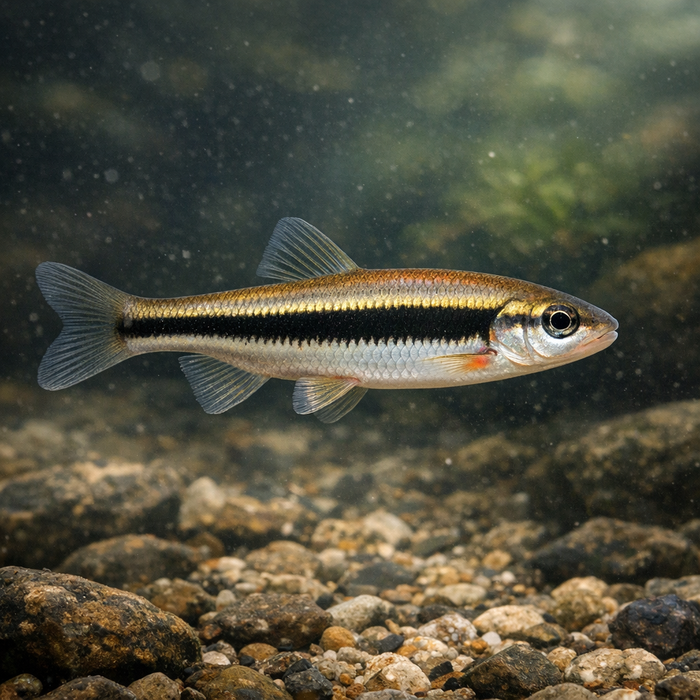
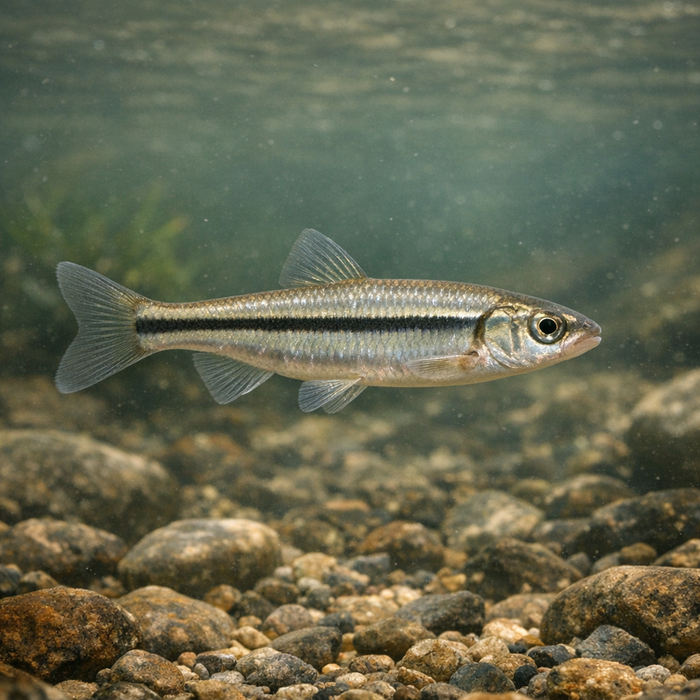
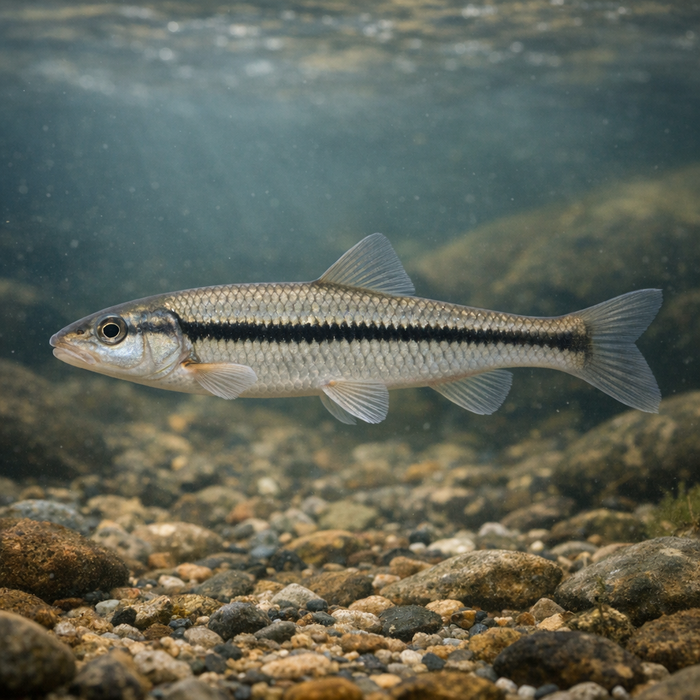
Headwater Chub (Gila nigra): The brawny native of skinny desert water that fights above its weight classIntroductionThe headwater chub is the scrappy native that turns pocket-water creeks into little arenas. In a world obsessed with trout, this thick-headed cyprinid quietly ambushes bugs and minnows from undercut banks, shrugs off flash floods, and survives desert summers like it's nothing. If you want wild fish with attitude in tight canyons, add the headwater chub to your hit list.What Makes the Headwater chub Unique?Start with the build: chunky head, hefty shoulders, and a mouth built for more than just nibbling. The headwater chub is a predator-leaning omnivore, which explains why it crushes drifting morsels and will chase a small streamer like it means business. During the spawn, males rough up with breeding tubercles and dark, moody coloration, jousting in shallow gravel like miniature brawlers. Add in its ability to hybridize with closely related roundtail chub when flows reconnect, and you've got a fish that's both resilient and evolutionarily spicy.Habitat & Global RangeThe headwater chub lives where water is scarce but fierce. Picture clear to tea-stained desert streams, bedrock chutes feeding into deep canyon pools, with boulders, woody debris, and cutbanks stitching together pockets. These fish slide between knee-deep runs and 3-to-8-foot holes, often hugging current seams where food funnels. Because many populations occupy fragmented tributaries, the best headwater chub habitat features clean gravel, shade pockets from willows or cliffs, and steady base flows. Search the pool heads for staging fish, the tailouts for cruisers, and tight eddies for heavy singles lurking like submerged linebackers. For more targeted intel on where and how they set up, scan our Headwater chub habitat notes and keep those stealth skills sharpened.Behavior & TemperamentDespite the chub label, the headwater chub is no timid grazer. It opportunistically smashes surface insects during twilight hatches, but most feeding happens along the bottom and midwater, where it noses gravel and ambushes anything bite-sized. Expect crepuscular surges: dawn and dusk windows are real, magnified under summer heat. Big fish own prime boulder corners and undercut ledges, and they won't wander far if conditions hold. They're wary in clear water, sensitive to footfalls, sloppy drifts, and fat tippet. When hooked, they'll dig and bulldog rather than tail-walk, using current like a lever. In monsoon season, they drop into slack water to survive the chaos, then reoccupy prime lies once flows normalize.Ecological ImportanceThis species is a bellwether for desert headwater health. The headwater chub ties terrestrial insects, riparian vegetation, and aquatic invertebrates together in a food web that doesn't have much margin for error. By flipping stones and foraging, it helps cycle nutrients and keep benthic communities churning. Where it persists, you usually find intact riparian cover, complex substrates, and fewer invasive bullies. Where it disappears, the story is often the same: dewatered reaches, simplified channels, and nonnative predators filling the vacuum.Conservation & Environmental PressuresHeadwater streams are narrow targets. A single poorly timed diversion, wildfire ash flow, or invasive stocking can unravel decades of recruitment. Headwater chub populations have been hammered by habitat fragmentation, barriers to movement, and competition or predation from nonnatives. Some waters carry special protections, seasonal closures, or catch-and-release requirements. Regulations and listings change, so double-check local rules before you plan a trip. The bright spot: habitat restoration, nonnative removal, and barrier projects are giving certain creeks breathing room. When anglers handle fish gently and keep pressure low, it helps these systems stabilize.The FishyAF TakeIf you judge fish by length alone, skip the headwater chub. If you measure by environment, attitude, and that flash of bronze muscle rocketing from a canyon seam, you're in the right club. This is a stealth game. Light tippet, long leaders, soft steps, and smart angles. You're hunting residents that know every rock in a 50-yard reach. Nail a natural drift and the headwater chub will make your day; blow it and the entire pool stops caring. For anglers chasing something wilder than a stocker lane, these fish deliver. Want Headwater chub facts you can actually use? Keep an eye on shadows, approach from downstream, and treat every undercut like it's housing the creek's CEO. Respect the resource and it'll keep paying out.