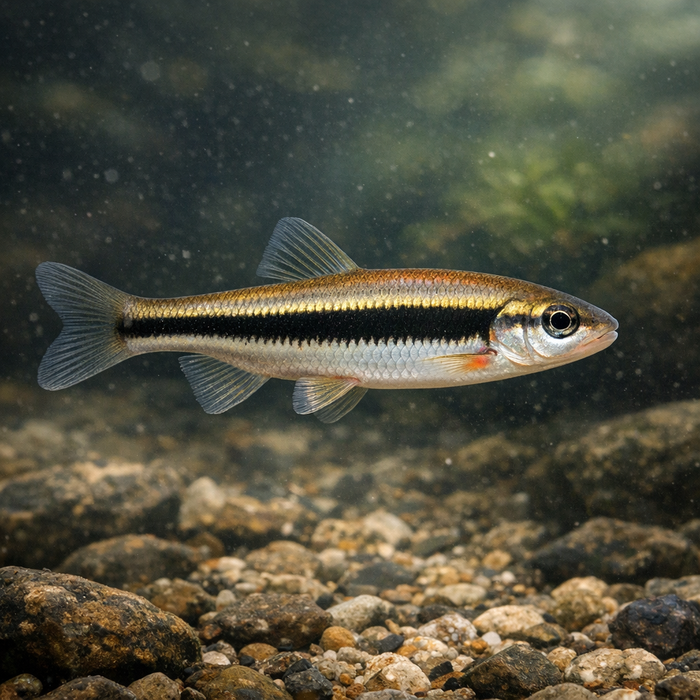
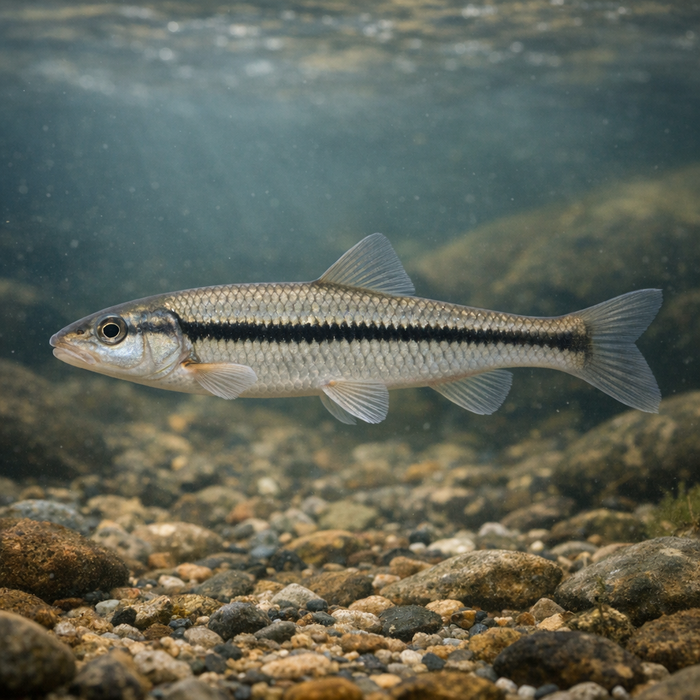
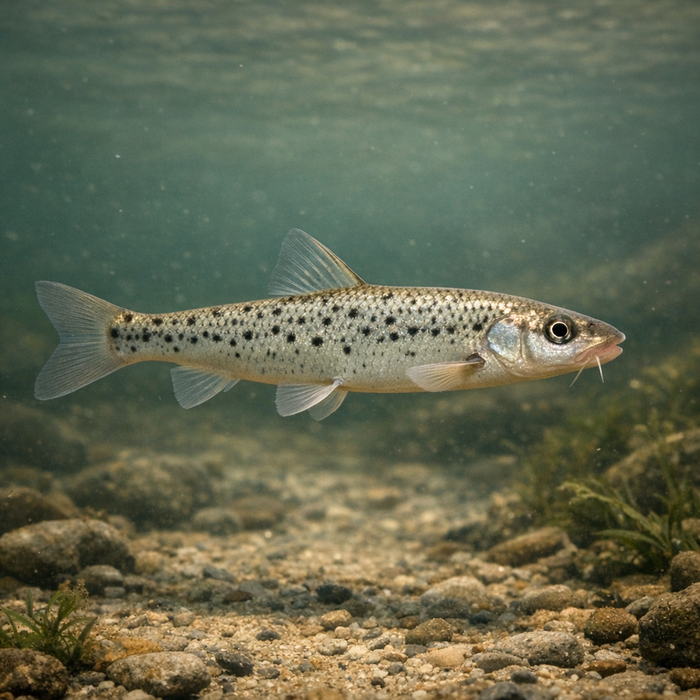
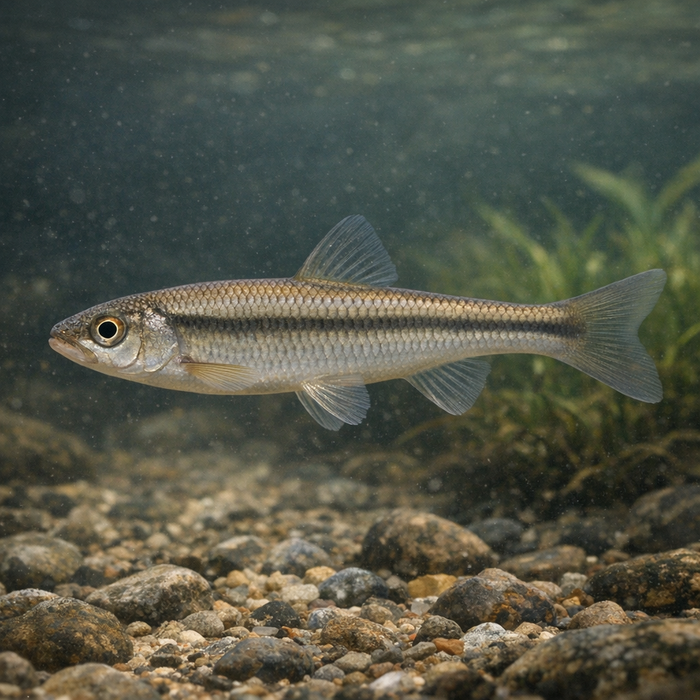
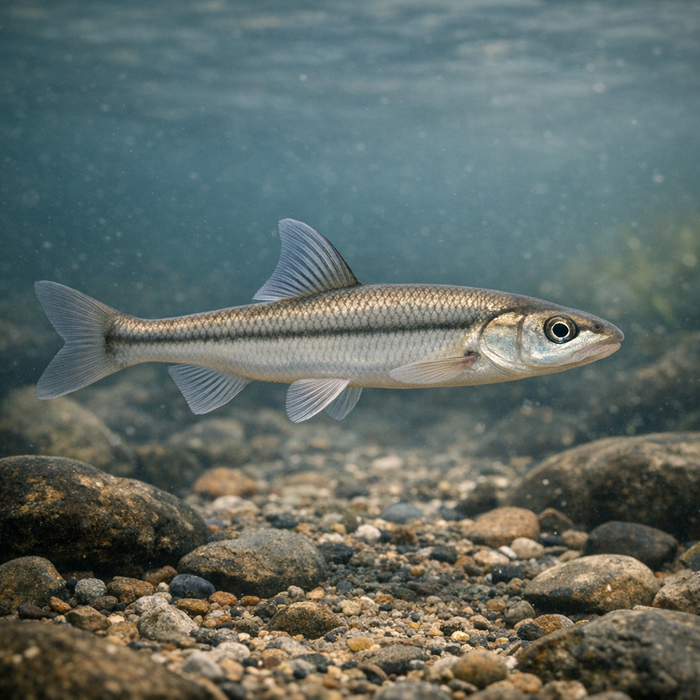
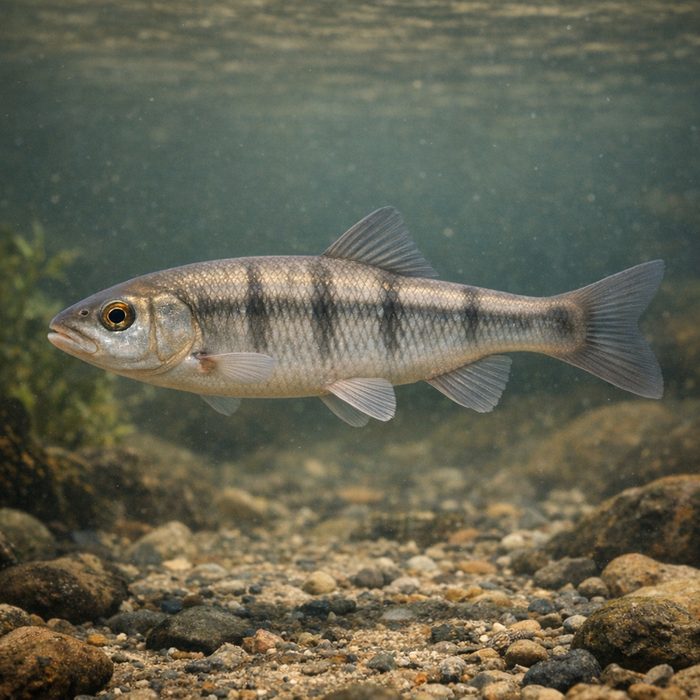
Arkansas River Shiner (Alburnops girardi): The prairie river minnow that treats flood pulses like rocket fuel.IntroductionThe Arkansas River shiner is a tiny silvery bullet with big river instincts. It thrives in warm, muddy, sand-bottomed channels where clearer-water fish give up. If you want a crash course in how plains rivers work, study this minnow. It rides storm surges, spawns into currents, and lives fast in a world of sandbars and shifting seams. Small body, big story. Consider this your quick upgrade in Arkansas River shiner facts.What Makes the Arkansas River shiner Unique?Two things define this species. First, Alburnops girardi is a pelagic-broadcast spawner. Instead of guarding nests, it releases semi-buoyant eggs into the main current. Those eggs must drift miles before hatching, staying suspended in flow rather than sinking into suffocating sand. Second, this fish is a turbidity specialist. Chocolate-milk water is its comfort zone. The lateral line and keen schooling behavior do the heavy lifting when visibility drops to inches. Combine the two and you get an animal perfectly tuned to the boom-bust rhythm of prairie rivers.Habitat & Global RangeArkansas River shiner habitat reads like a postcard from the Southern Great Plains: wide, shallow, sandy rivers with brisk, steady current and frequent wind-blown dust turning the water opaque. Think Canadian River, Cimarron River, and similar sand-bed tributaries. These channels braid, break, and rebuild weekly. The shiner rides those changes instead of fighting them, slipping along midwater lanes over sand waves and shallow riffles. Dams and big reservoirs are the enemy here. Interrupt the long, unbroken stretches of current and the drifting eggs fall out of suspension before they can hatch. That single detail explains a lot about where the species still holds on.Behavior & TemperamentThe Arkansas River shiner lives fast and travels light. Schools tighten up when flow jumps, surge upstream on rising water, then spread to graze and pick at tiny drifting invertebrates when conditions settle. They are not brawlers. Hook one on micro gear and the fight is a quick shimmy. What matters is approach. Subtle drifts, tiny hooks, and current seams are the game. They often sip midwater, but will rise into the top foot when food funnels along a sandbar lip. Busting flow? Expect them to ride the conveyor belt.Ecological ImportanceThis minnow is a river mechanic. Its constant grazing and opportunistic snapping at invertebrates help push energy from the plankton layer and sand-biofilm into larger fish. Meanwhile, the pelagic egg strategy keeps genes moving far downriver, reconnecting stretches after droughts. In muddy systems where sight-feeders stumble, the Arkansas River shiner keeps productivity humming. Lose that midwater grazer and you hollow out the food web for everything from other minnows to catfish.Conservation & Environmental PressuresThe species has been hammered by dams, channelization, and water withdrawals that flatten natural flow pulses. Because eggs must drift long distances, every impoundment or dewatered reach can sever a generation. Add lingering droughts, invasive species pressure, and sediment changes, and you get local collapses. In several areas it is protected, and collection may require permits or be off limits. Habitat restoration is refreshingly straightforward on paper: restore connected, sandy, flowy river miles. In practice, that means complicated water politics.The FishyAF TakeThe Arkansas River shiner is proof that small fish can have massive swagger. It is a specialist in moving targets, a micro with a marathon egg strategy, and a master of muddy water. If you want a clean read on prairie river health, go find this fish where it still zips along the seams. As an angler, respect its status, show off your micro skills only where legal, and let the river teach you. For real Arkansas River shiner habitat, give it sand, flow, and room to run. Everything else is just scenery.