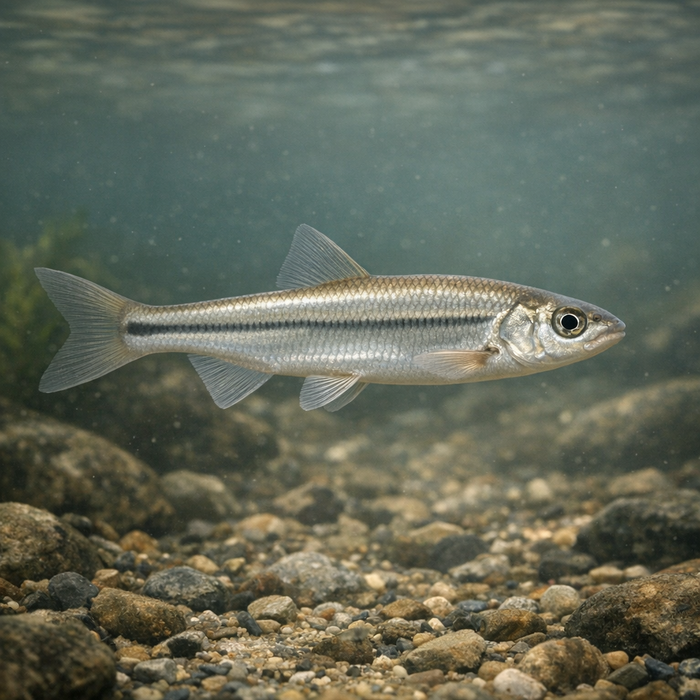
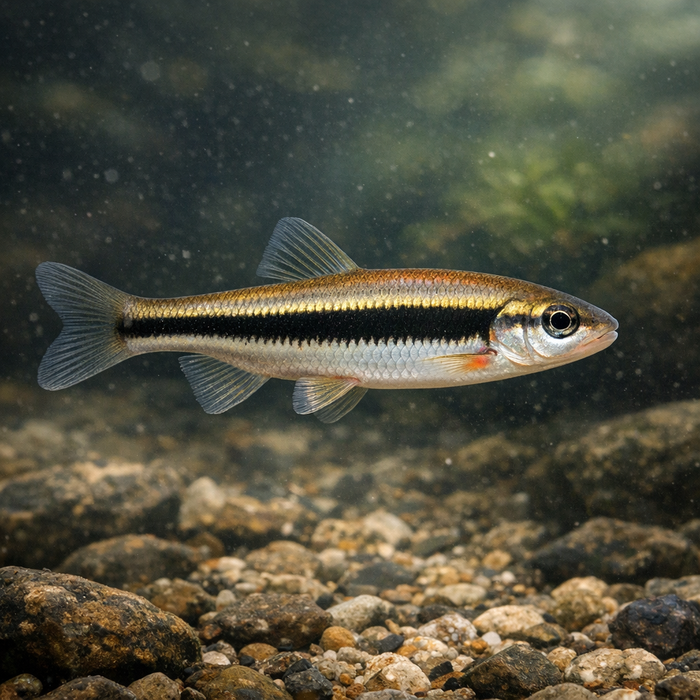
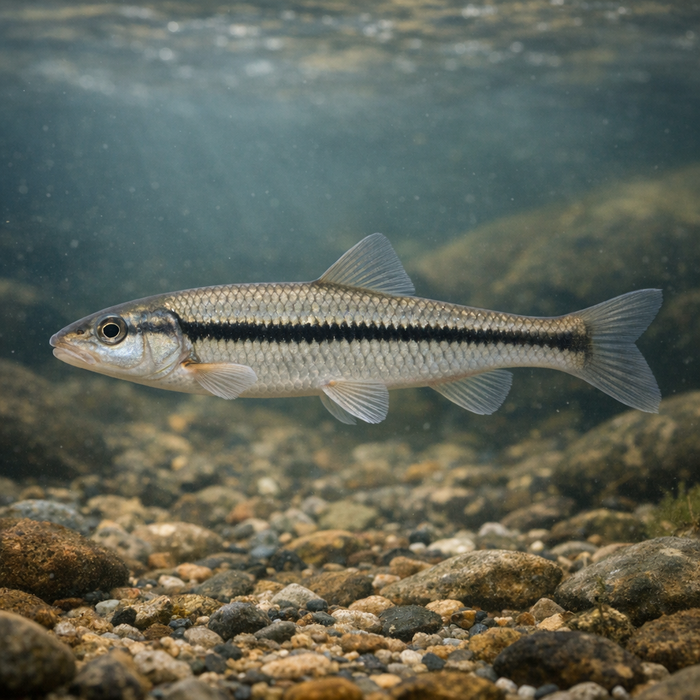
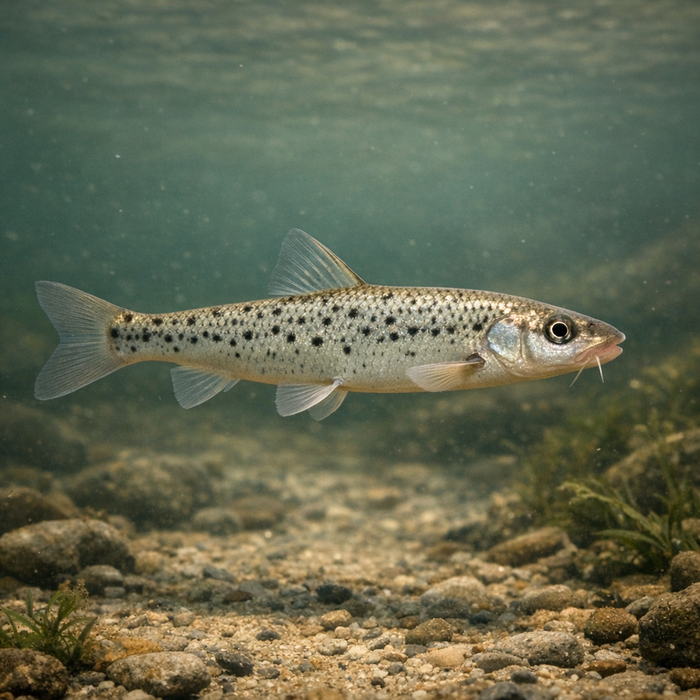
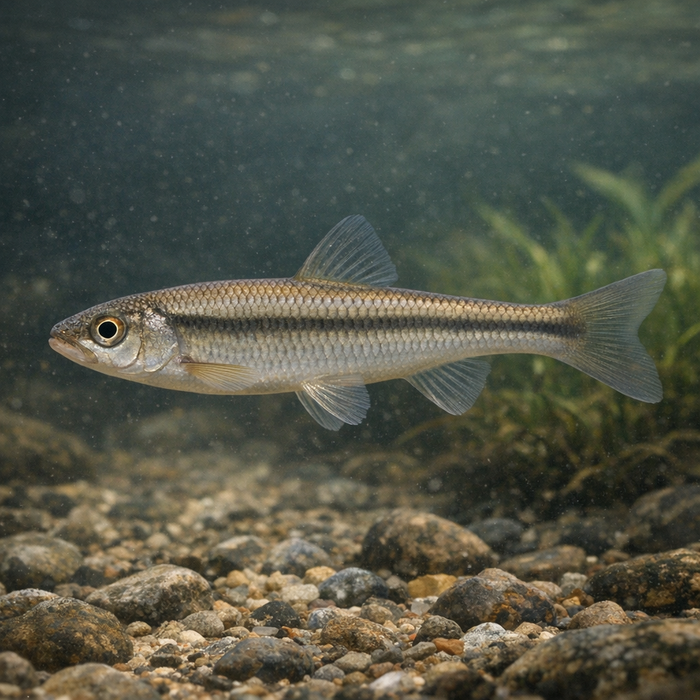
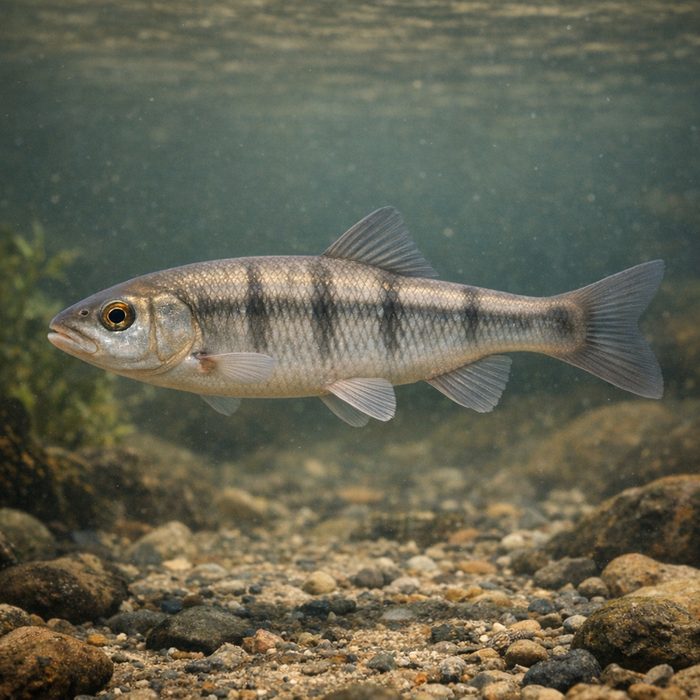
Sicklefin Chub (Macrhybopsis meeki): A Bold, Memorable Hook LineIntroductionThe sicklefin chub is a tiny river rocket built for big water chaos. Forget ponds and placid banks. This fish lives where the current thumps, the sand rolls, and your line buzzes like it's dragging through a sandblaster. It's not a mainstream target, but anglers who chase micro-species or just love the weird corners of fish diversity will appreciate what this little specialist says about river health. If you came looking for hard-nosed Sicklefin chub facts, you're in the right chute.What Makes the Sicklefin chub Unique?First, the namesake sickle: breeding males sport an elongated, scythe-shaped dorsal fin that screams streamlined efficiency, a quirky showpiece in a family mostly known for subtlety. Second, the life strategy. The sicklefin chub is a pelagophil, launching semi-buoyant eggs into the current so they drift for miles before hatching. That drifting conveyor belt demands long, uninterrupted river corridors. Third, the body plan is purpose-built for flow. Slim, sand-colored, with a subterminal mouth, it's the definition of low-drag. This is not a fish that fusses with rocks and weeds. It rides the rolling dunes of sand-bed channels where current and turbidity meet.Habitat & Global RangeCall this the mainstem minnow. The sicklefin chub centers on the Missouri and lower Mississippi River systems, favoring broad, turbid channels with shifting sandbars, mid-channel shoals, and strong, steady current. It's the fish that shows up where your anchor skips and your sonar paints nothing but moving bottom. Sicklefin chub habitat is big-river core, not sleepy backwaters. They cruise near bottom in 2 to 15 feet, often along seams and troughs flanking sand ridges. Reservoirs and slackwater zones are a problem; eggs sink, the drift fails, and populations fade. Dams carve up the long drifts their eggs need, so surviving populations often persist in the longest, wildest reaches.Behavior & TemperamentThink energy management. The sicklefin chub hugs the lower water column, using laminar lanes and subtle troughs to save gas while picking off drifting invertebrates. It's not spooky like a spring creek trout; turbidity is its camo. But it's also not charging lures like a smallmouth. Expect brief, quick taps, a soft throb transmitted through sand and shot. Schooling is common, especially where the conveyor of food runs rich. Activity spikes with stable flows and warm temperatures. Spawning kicks with rising water and heat, no nests, no parental care. Just launch the eggs and let the river do the rest.Ecological ImportanceThe sicklefin chub is a litmus test for big-river function. Because its reproduction depends on suspended eggs drifting for long stretches, it reflects whether a river still acts like, well, a river. Dams, channelization, and prolonged low-turbidity conditions can collapse the life cycle. When sicklefin chub numbers hold, it suggests a working current regime, intact sand-bed morphology, and functional drift pathways supporting everything from insects to bigger fish that use those same flows.Conservation & Environmental PressuresThis species has been hammered by fragmentation, flow alteration, and sediment changes. Reservoir conversions erase the suspended-egg drift stage. Channel hardening and bank revetments simplify the bed and reduce sand dune features. Water clarity shifts can cut feeding efficiency. While management varies by state and federal jurisdiction, the overall story is clear: the sicklefin chub does best where long, free-flowing reaches still exist. Ongoing monitoring, strategic flow management, and targeted habitat restoration are the levers to keep it on the board.The FishyAF TakeThe sicklefin chub is proof that size doesn't dictate significance. It's a specialist so committed to current that it turns the whole river into a moving nursery. If you're the kind of angler who enjoys earning obscure species and learning what a fish truly needs, add this one to your mental tackle tray. Master the drift, respect the habitat, and treat each catch like a tiny conservation win. The coolest Sicklefin chub facts aren't about length or weight; they're about a fish whose entire life flexes with the muscle of a big, unapologetic river.