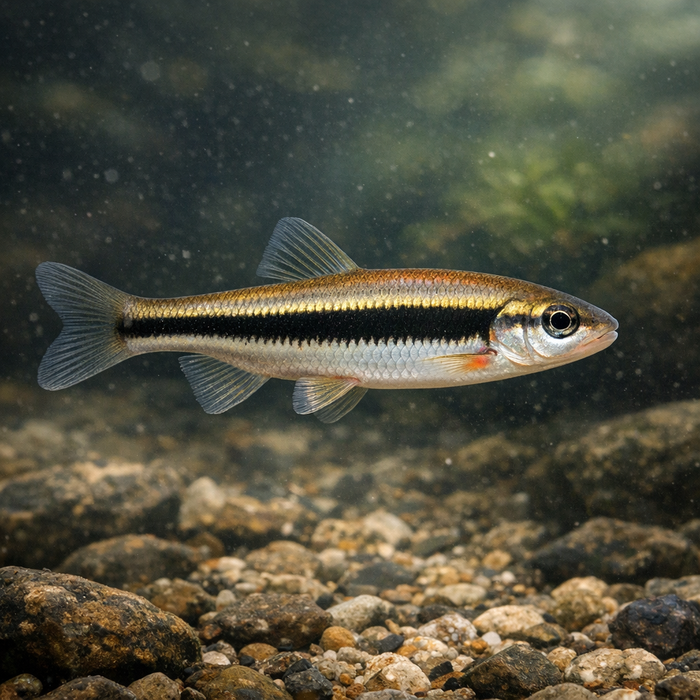
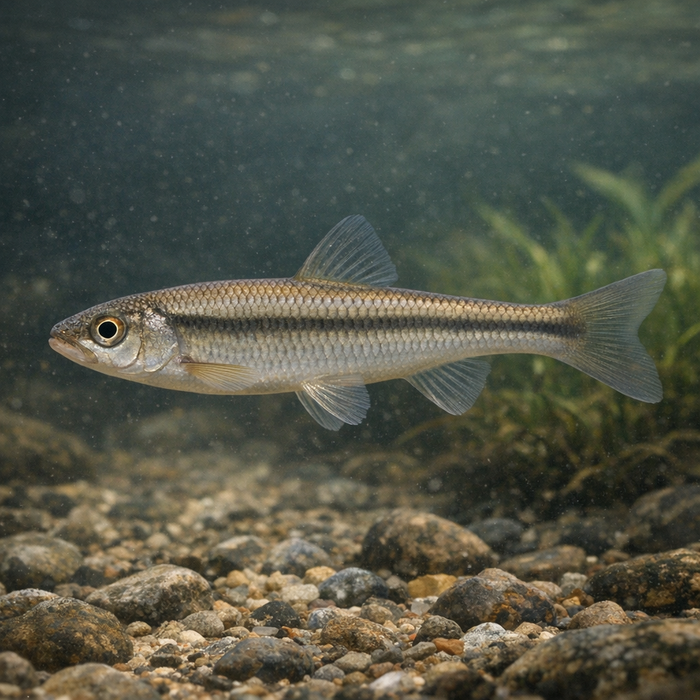
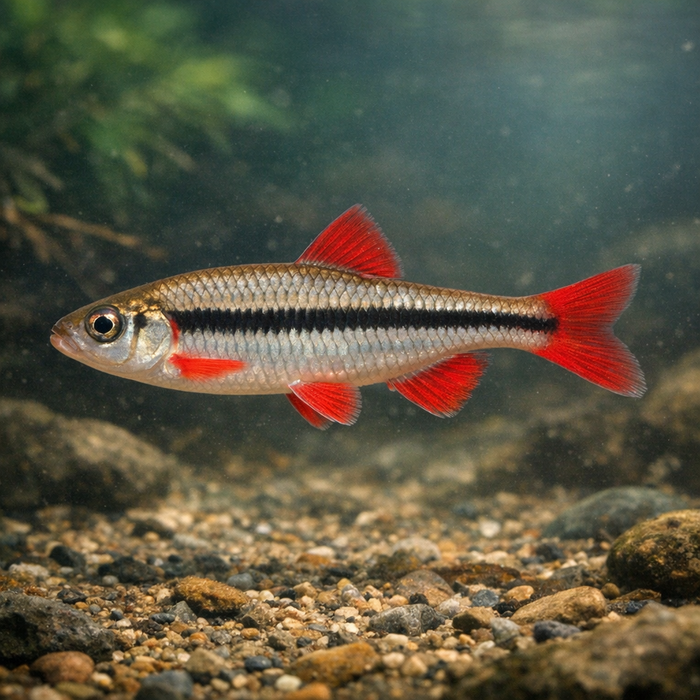
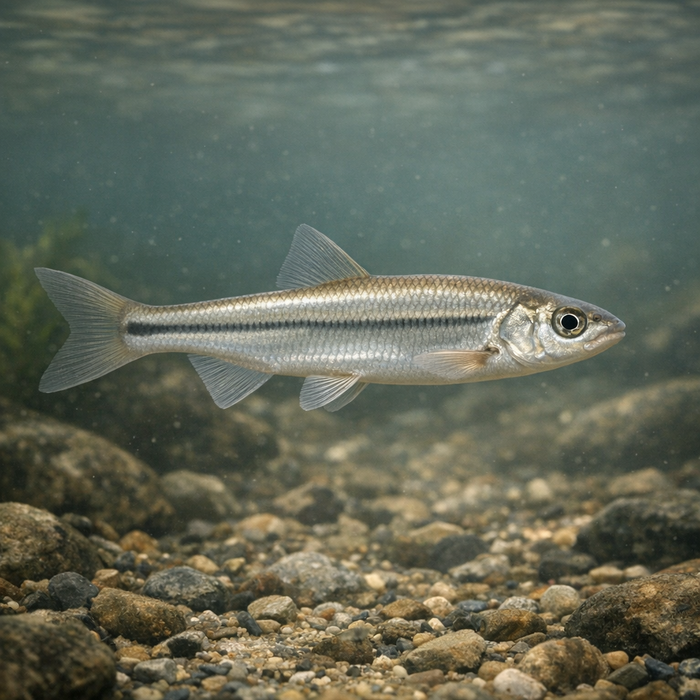
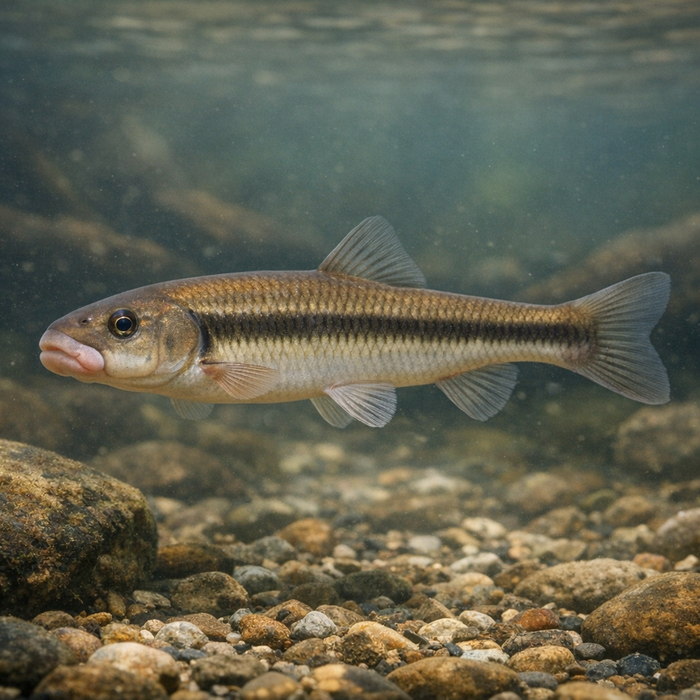
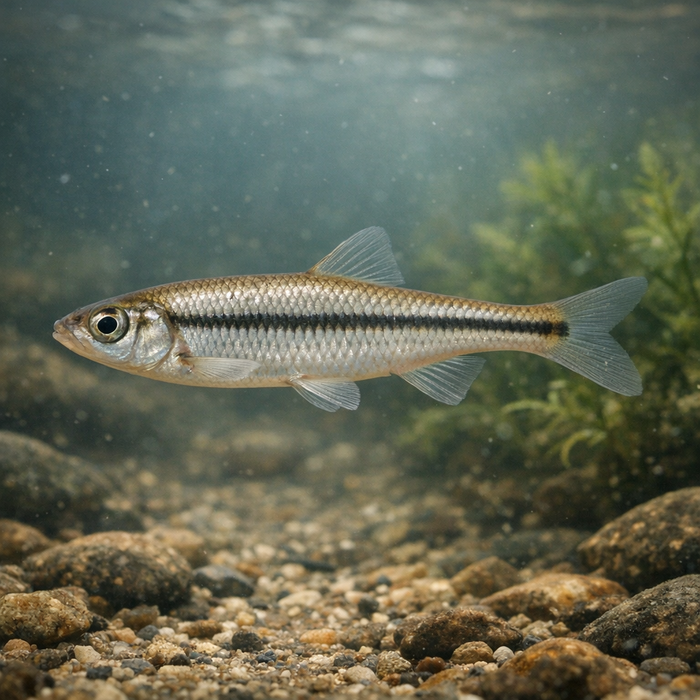
Coosa Chub (Macrhybopsis etnieri): A shoal-slick specialist hiding in plain sight of Southern rifflesIntroductionThe Coosa chub is the fish you overlook until you actually try to catch one. Then you realize this micro torpedo owns fast water like a tiny river ninja. For anglers who geek out on current seams, gravel texture, and finesse drifts, the Coosa chub is a surprisingly addictive challenge. It's small, sure, but it's tuned for speed, clean water, and precision living.What Makes the Coosa chub Unique?Two things: specialized hardware and a life paced to the river's heartbeat. A subterminal mouth and minute barbels let it Hoover micro-invertebrates off gravel without face-planting in the flow. Couple that with big-for-body eyes and a dark midlateral racing stripe, and you've got a fish purpose-built for riffle lanes. Add in spring-spawn timing that keys off flow pulses and you see why the Coosa chub is a current junkie. If you're after legit Coosa chub facts, start with this: it's not generic "minnow mush." It's a specialist with refined tastes and a serious disdain for silt.Habitat & Global RangeDespite the name, the Coosa chub isn't cruising every Southern river. It's a Coosa River basin native, using clear, moderate to swift runs, shoals, and tailouts with clean sand-to-gravel mix. Think ankle- to thigh-deep lanes where your fly line starts to hum. When summer shrinks the rivers, they consolidate into deeper runs with steady flow; when spring rains bump the gauge, they move into prime shoals to spawn. If you're curious about Coosa chub habitat, picture riffles that would make trout nod in approval, minus the coldwater requirement.Behavior & TemperamentThe Coosa chub feeds like it lives on the clock. It tracks tiny drifting nymphs and midge larvae, snapping quick before the current carries dinner downstream. Schooling can be loose, more a shared address than a strict formation. Spawning plays out during spring flow pulses, with broadcasted eggs relying on current and clean substrate. They're not brawlers on the line, but they're suspicious of shadows and clumsy presentations. Nail a natural drift on light line and they reward you with quick, delicate takes that feel like static on the rod tip.Ecological ImportanceChubs are the river's QC department. The Coosa chub keeps nutrients moving from the benthos to bigger predators, and its sensitivity to silt and low oxygen makes it an early warning system. Lose the riffles to sediment or flow mismanagement and species like this vanish first, long before the marquee gamefish hit the panic button. Protect the small stuff and you stabilize the whole deck.Conservation & Environmental PressuresThis fish doesn't need dramatic headlines to be vulnerable. It needs clean, moving water. Sedimentation from development, poorly managed road crossings, and sloppy riparian work clogs the gravel buffet and smothers eggs. Low-flow summers and erratic releases flatten seasonal cues. Add in localized pollution and you get quiet extirpations that most anglers never notice. The Coosa chub may not wear a trophy sash, but its decline would be a neon sign that the river's basic plumbing is failing.The FishyAF TakeIf your fishing life is a greatest-hits album of heavy gear and fat drags, the Coosa chub is the weird deep cut that makes you listen closer. Micro hooks, clean drifts, and watching how riffles breathe will make you a sharper angler for everything else. The Coosa chub won't peel line, but it will sharpen your presentation and teach you how flow actually works. It's a specialty fish in a specialty lane, and once you catch a few, you'll start seeing rivers with finer resolution. That's a win that sticks long after the photo.