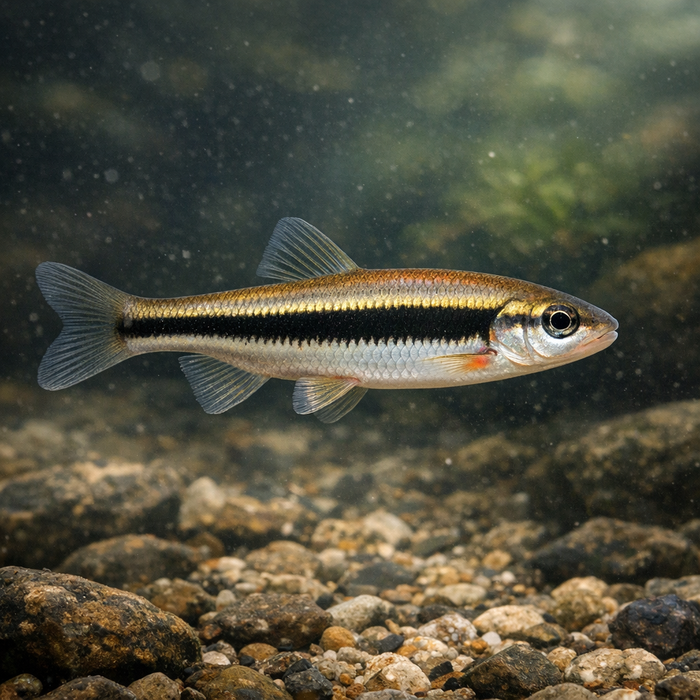
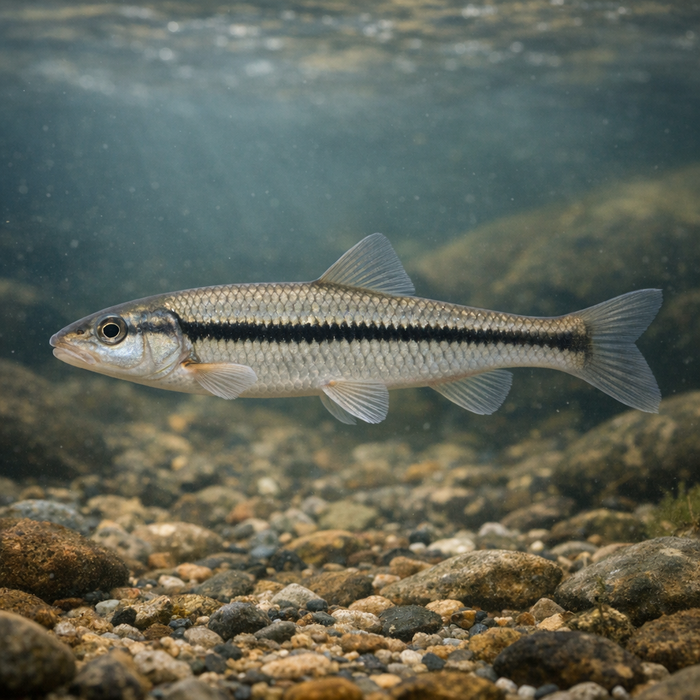
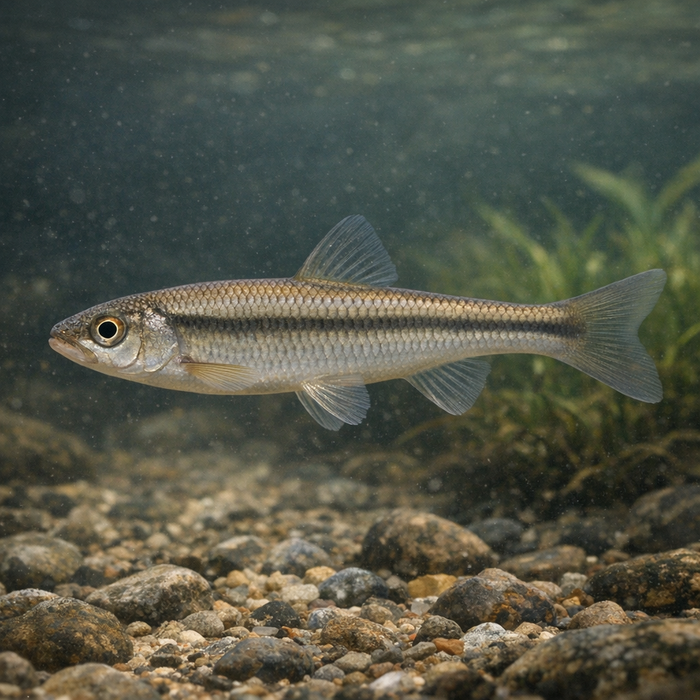
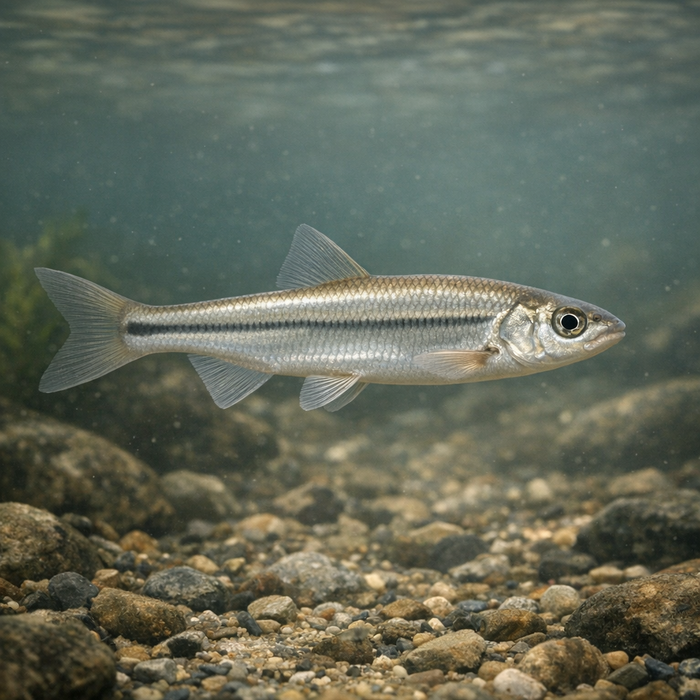
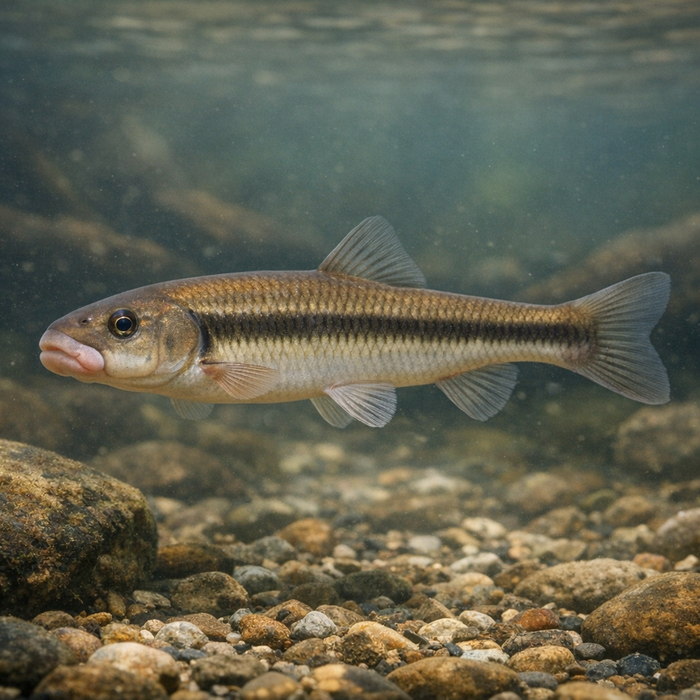
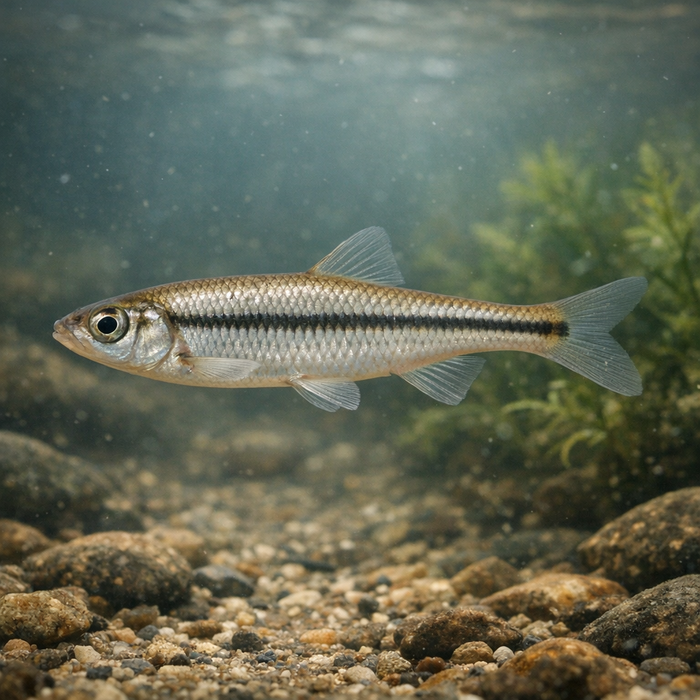
Warrior Shiner (Lythrurus alegnotus): A Bold, Memorable Hook LineIntroductionThe warrior shiner is living proof that small doesn't mean boring. Flashy during the spawn and fussy about where it hangs out, this tiny Alabama native draws micro anglers who like finesse challenges and clean, intimate water. If you're into big drags and screaming reels, keep walking. If you're into dialing in a #26 hook and watching silver bullets flash in sunlit riffles, welcome to the show.What Makes the Warrior shiner Unique?Two things: hometown loyalty and theatrical breeding colors. The warrior shiner is tightly tied to the Black Warrior River system in Alabama, giving it a tidy, well-defined address. When spring kicks in, males flip on outrageous red fins against a silvery body, like a mini sports car with neon underglow. It's also a known nest associate, often dropping eggs into chub-built gravel mounds rather than building its own. Efficient, picky, and a little bit punk rock.Habitat & Global RangeHere's your quick "Warrior shiner habitat" snapshot: clear to lightly stained streams with sandy-gravel bottoms, stable flow, and enough current to keep things oxygen-rich but not punishing. Think riffle margins, pool tails, and shallow runs with knee-deep water or less. The species is endemic to Alabama's Black Warrior drainage, which is why it earns the name. If you're combing online for Warrior shiner facts, remember that this one isn't widespread. Getting to the right creek matters just as much as presentation.Behavior & TemperamentWarrior shiners school up, cruise midwater, and feed with quick, darting takes. They'll slide toward structure edges and seams where drift delivers tiny insects with minimal effort. During the spawn, males get bold and visible, pushing into shallower riffles and showing off those red fins. Outside of that window, they're still active but more muted. They aren't brawlers; hooksets feel like a tap and a shimmer more than a fight. The magic is in the precision game: stealth, tiny hooks, and micro drifts.Ecological ImportanceSmall cyprinids like the warrior shiner are the circulatory system of warmwater creeks. They move energy from insect swarms to larger predators and help keep the food web well-oiled. Their preference for clean, moderately flowing water also makes them bellwethers; when warrior shiners are thick in a reach, odds are the stream is in decent shape. Lose the riffles, choke the gravel, or slam sediment into runs, and they vanish fast. Protecting them protects a whole creek's personality.Conservation & Environmental PressuresThe warrior shiner's tight range is both cool and risky. Urbanization, sediment from poor land practices, and low-flow conditions can bulldoze the exact habitat features this fish demands. It doesn't need a wilderness river, just honest riffles, clean gravel, and steady water quality. Barriers that isolate tributaries can pinch genetic diversity. Even if nobody is targeting them for food, the water they require often sits downstream of busy human activity. Watch the watershed and you'll protect the fish.The FishyAF TakeThe warrior shiner is a specialist's reward. You don't chase it for glory photos or sponsored jerseys. You chase it because lining up a perfect micro drift in a sunlit run is intensely satisfying. Because a two-inch fish with race-car fins is objectively awesome. And because learning a single drainage deeply beats skimming ten states shallow. If you want loud, go find stripers. If you want precision, grab a tanago hook, whisper to the riffle, and let the warrior shiner show you how light tackle becomes laser surgery.