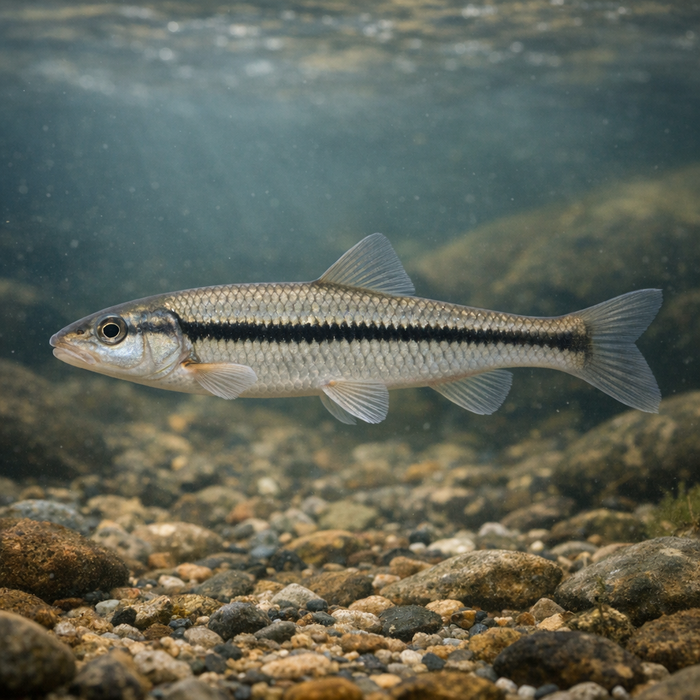
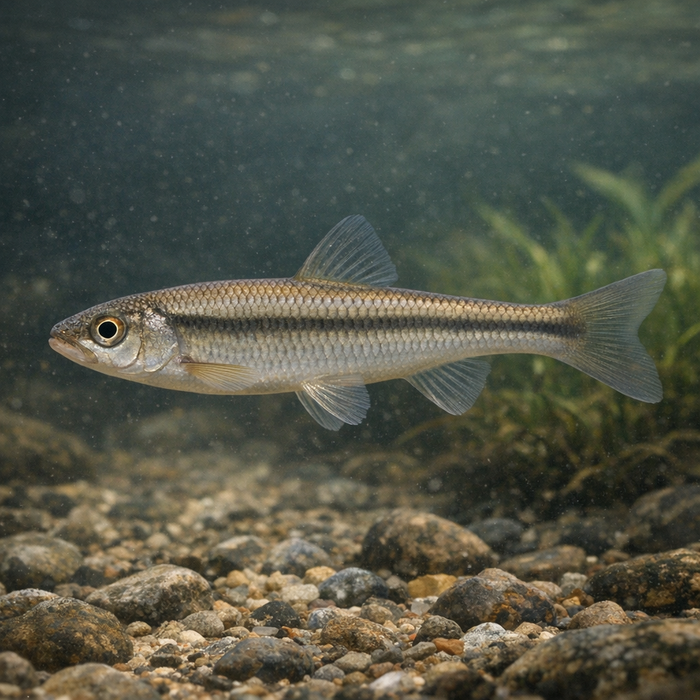
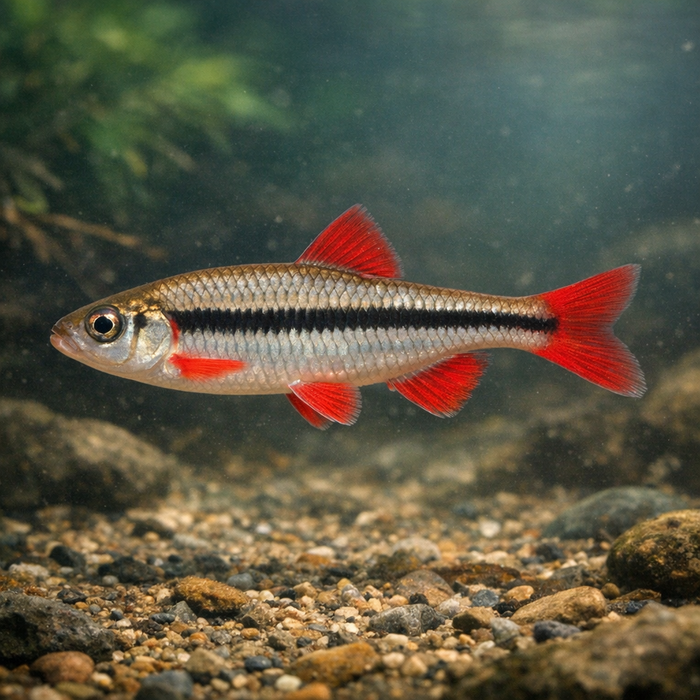
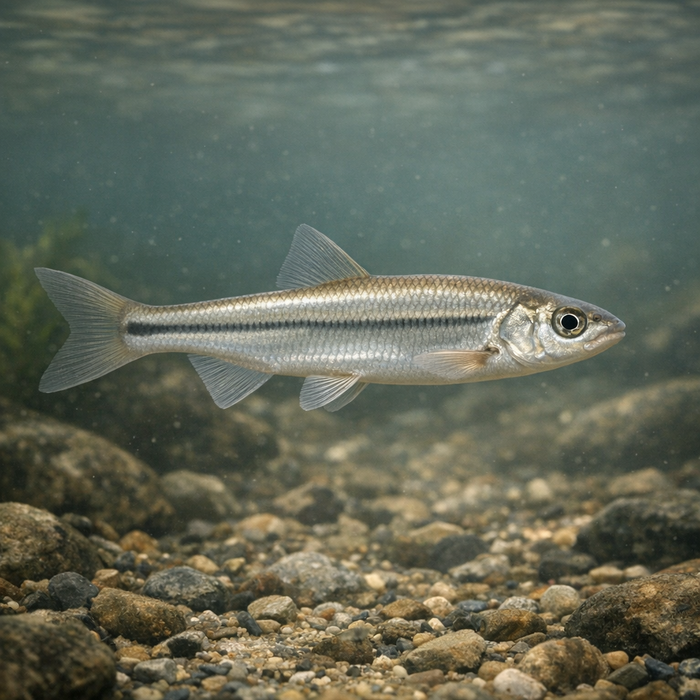
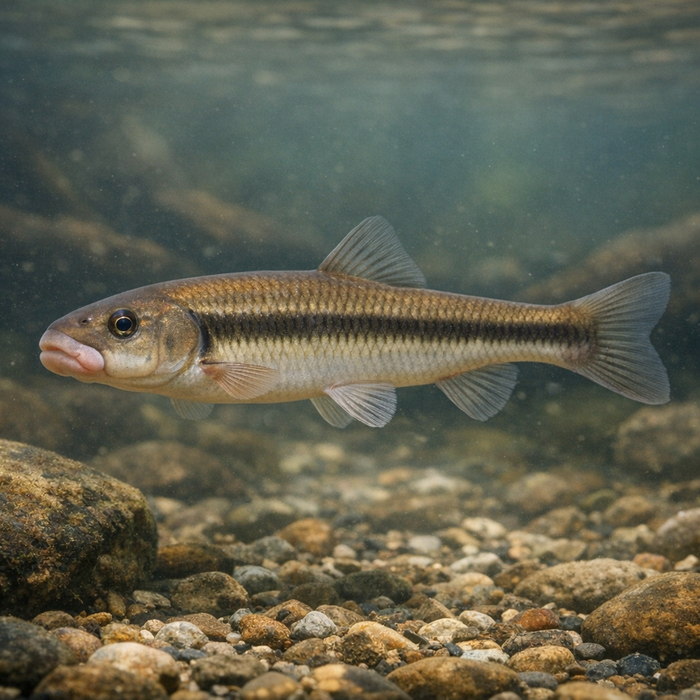
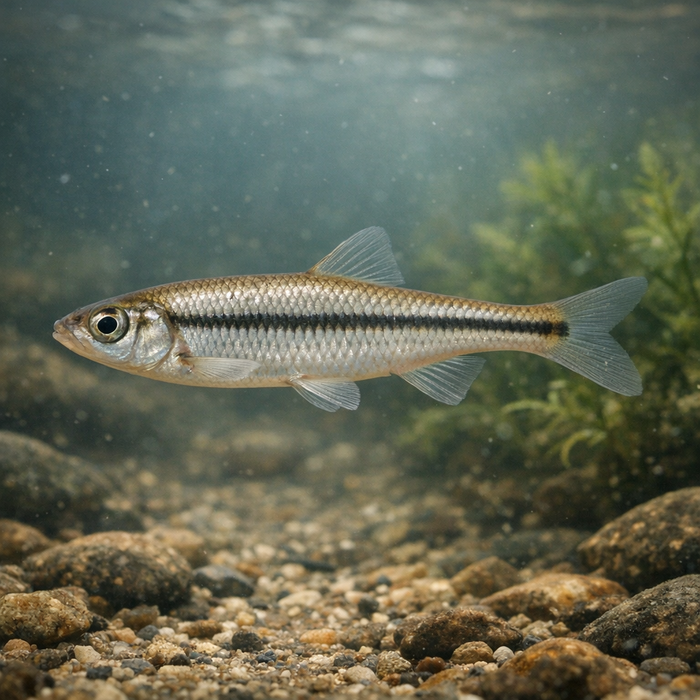
Blackside Dace (Chrosomus cumberlandensis): A Bold, Memorable Hook LineIntroductionMeet the Appalachian sparkplug that proves tiny fish can pack big personality. The Blackside dace is a palm-sized minnow with graffiti-level striping and breeding colors that look airbrushed. It haunts cold, shaded trickles on the Cumberland Plateau where groundwater bleeds into riffles and leaf-litter pockets. If you want a crash course in clean headwater health, start with Blackside dace facts: when they thrive, the creek is doing something right.What Makes the Blackside dace Unique?Two things: style and standards. Style first. During spawning, males light up with red-orange pelvic and anal fins, yellow-washed sides, and a thick jet-black stripe that makes field IDs easy even at a glance. Now standards. The Blackside dace has no patience for sloppy water. It prefers cool, low-conductivity streams with steady spring influence, clean gravel, and lots of overhead shade. In short, this fish is picky. That pickiness makes it an excellent indicator species and a tough customer for anglers who want a picture without disturbing a fragile spot.Habitat & Global RangeConsider the Blackside dace a one-watershed specialist. Its stronghold sits in upper tributaries of the Cumberland River system in Kentucky and Tennessee, tucked into small, forested creeks. A classic Blackside dace habitat recipe goes like this: spring-fed seeps, knee-deep pools, fine-to-coarse gravel runs, and undercut banks stuffed with roots and leaf mats. It's a headwater fish to the bone, rarely straying into larger, warmer channels unless forced by flow. Shade and groundwater are the guardrails; silt and warm pulses are the ditch.Behavior & TemperamentThey school loosely, slide between pool edges and riffle tails, and vanish into debris at the first shadow. Call their aggression "gentle curiosity." In stable flows they feed in short, predictable bursts, sipping drifting inverts and periphyton. After rains, they reposition with ninja speed, reappearing in new pockets once the turbidity drops. Breeding action concentrates in shallow runs where males patrol and flash. Hook one on a micro rig and the fight is more hummingbird than heavyweight: jittery, fast, and over quick.Ecological ImportanceThe Blackside dace is a canary for coal country waters. Where forest cover is intact and sediment is locked down, they flourish. Where culverts choke flow or mines slough fine silt, they blink out. That sensitivity forces everyone-land managers, anglers, even road crews-to respect headwater details. Protecting this fish safeguards cold-water biodiversity upstream and downstream. In return, you get clear creeks, healthy macroinverts, and better odds for everything from darters to wild trout.Conservation & Environmental PressuresTheir enemies are predictable: sedimentation, warm water, and chemistry swings. A single poorly designed crossing can smother spawning gravel, and riparian clearing nukes shade that keeps temperatures in the safe zone. Because Blackside dace occupy small streams with limited refuges, disasters hit hard and fast. The species carries a conservation tag for good reason, and many populations depend on vigilant watershed work, stable forest cover, and smart stormwater design.The FishyAF TakeThe Blackside dace isn't a numbers game or a grip-and-grin target. It's the soul of a clean creek wrapped in three inches of attitude. If you chase it, bring a micro rig, a camera, and humility. Handle water first, fish second. Nail the drift, admire the colors, and move on. You'll walk away with more than a catch-you'll understand why these streams matter. And that's worth more than any scale reading.