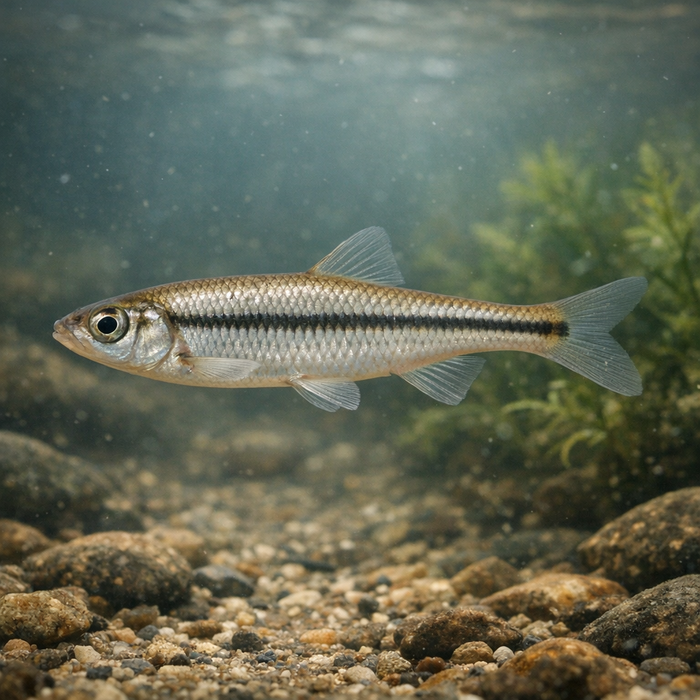
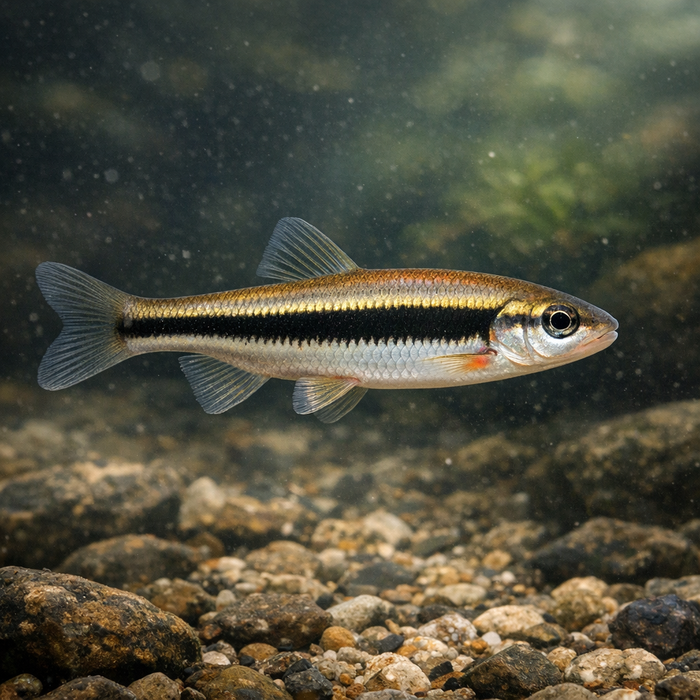
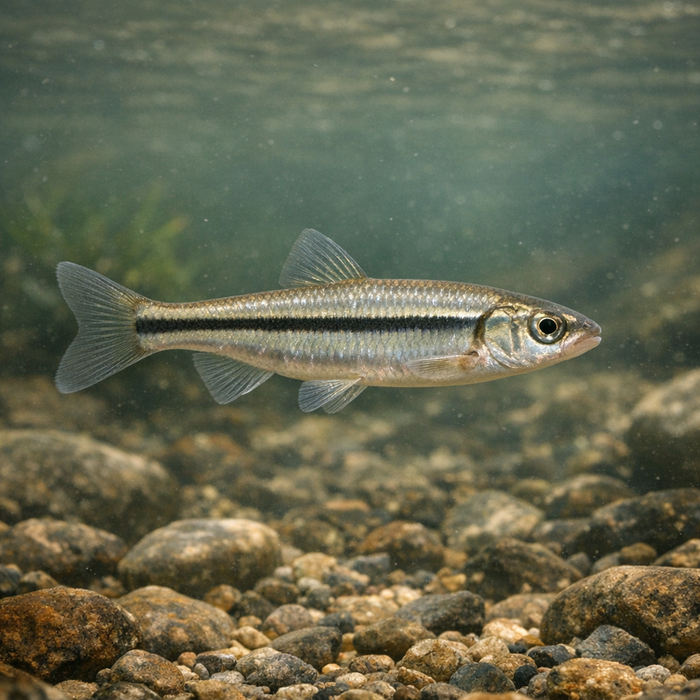
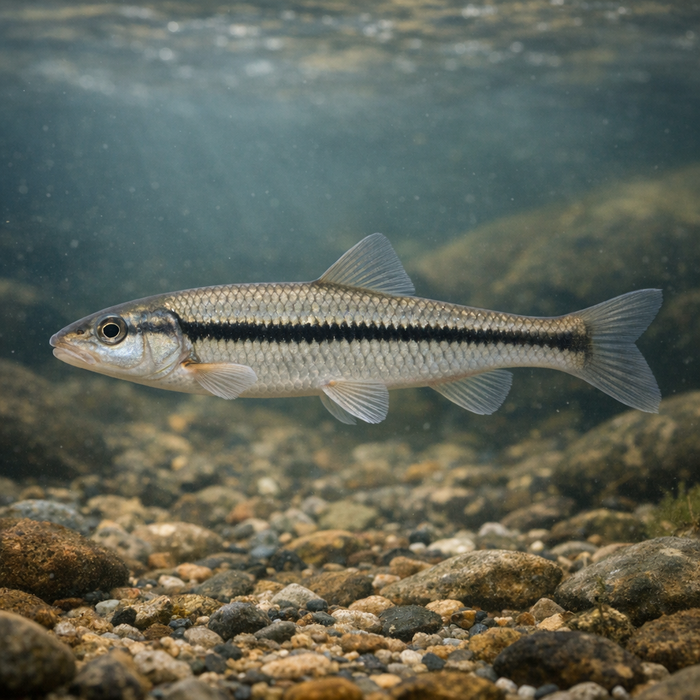
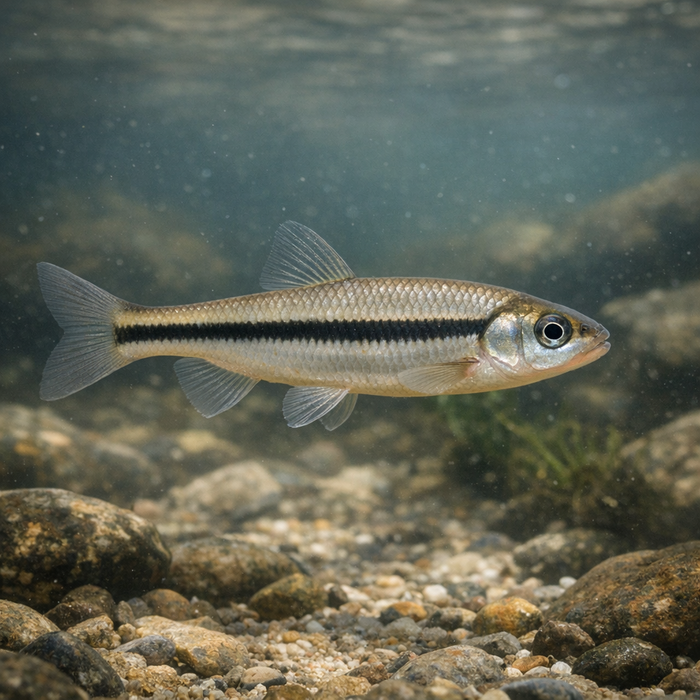
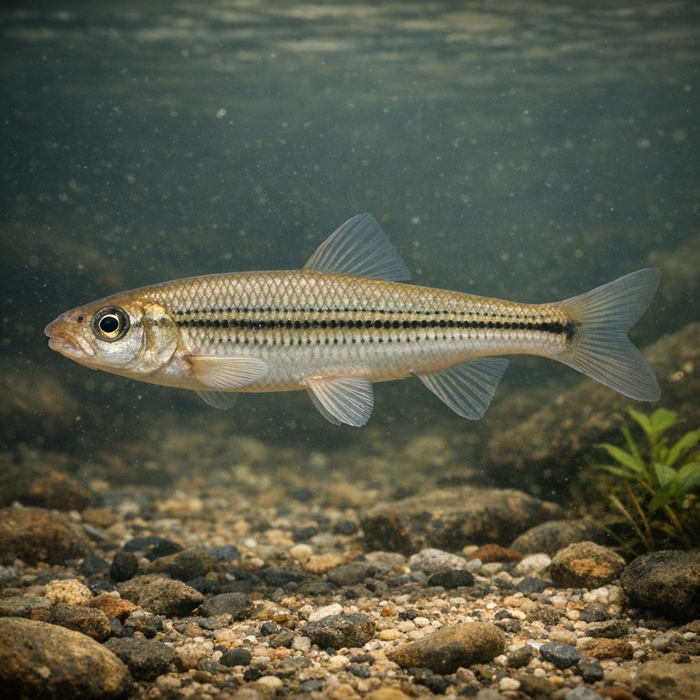
Fatlips minnow (Phenacobius crassilabrum): A Bold, Memorable Hook LineIntroductionThe fatlips minnow is the little scrapper of Appalachian riffles, built with oversized, fleshy lips and a hustle-first attitude. It doesn't smash topwater or peel drag. Instead, it lives life in the fast lane of current, vacuuming gravel like a pint-sized shop vac. For anglers wired for details and delicate presentations, this fish rewires what "precision" means. Consider this your crash course in Fatlips minnow facts from the angler's angle.What Makes the Fatlips minnow Unique?Start with the mouth. Those thick, cushiony lips aren't just for looks; they seal to stone and create suction while the subterminal mouth rasps insect goodies from between pebbles. The fatlips minnow also sifts gravel, spitting out sand through its gills and keeping the snacks. It's an elite current rider too, hugging the bottom's boundary layer where water is slightly slower. That combo of hardware and behavior makes the Fatlips minnow a specialist that rewards stealth and small-ball tactics.Habitat & Global RangeWhen anglers ask about Fatlips minnow habitat, the short answer is clean, oxygen-rich flow. Think sunlit riffles, knee-deep glides, and cobble runs that rumble with life. The species favors coarse substrates that hold caddis, midges, and mayfly larvae. You'll encounter it in upper Tennessee River drainage streams where clarity, current, and gravel converge. It's a fish defined by microstructure: seams, riffle shoulders, pocket water no bigger than a lunchbox. If the rocks are clean and the water's moving, the fatlips minnow feels at home.Behavior & TemperamentThe fatlips minnow is wary, quick, and purpose-built for speed bursts. It slides from rock to rock, using tiny darts rather than long cruises. Feeding is mostly bottom-oriented. In good light it picks and sifts; during dingy flow it edges toward seams where dislodged inverts drift. Schooling is loose: small pods hover in prime texture, but individuals peel off to work a productive pebble. Hook one and the "fight" is a jitter-don't expect fireworks, do expect the satisfaction of fooling a specialist in thin water.Ecological ImportanceThis species is a tiny janitor with an appetite. By scraping and sifting, it prunes algae film, recycles fine sediment, and shuffles invertebrates into the drift for other fish. The fatlips minnow also flags stream health. You rarely see it in silt-choked, warm, sluggish water. Where fatlips thrive, dissolved oxygen is strong, substrates are clean, and the bug factory is open for business. Protecting it protects everything upstream and down.Conservation & Environmental PressuresThe Achilles' heel is sediment. One sloppy hillside, one blown-out culvert, and those cobbles get mummified in silt. Add low summer flows, nutrient spikes, and poorly timed withdrawals, and you've shorted the species' life support system. It's not about giant dams alone; day-to-day land use decisions control whether riffles stay clean. The fatlips minnow doesn't lobby, but it casts a clear vote: keep gravel clean and current honest.The FishyAF TakeThe fatlips minnow is proof that small fish make big demands. You can't fake stealth. You can't brute-force a bite. You earn it with tiny hooks, delicate drifts, and a hunter's patience. For anyone chasing overlooked species or sharpening presentation skills, this minnow is a masterclass. And yeah, it's a niche pursuit, but once you watch that little vacuum cleaner spit sand and keep the good stuff, you'll get it. Fish small, think sharp, and respect the riffle.