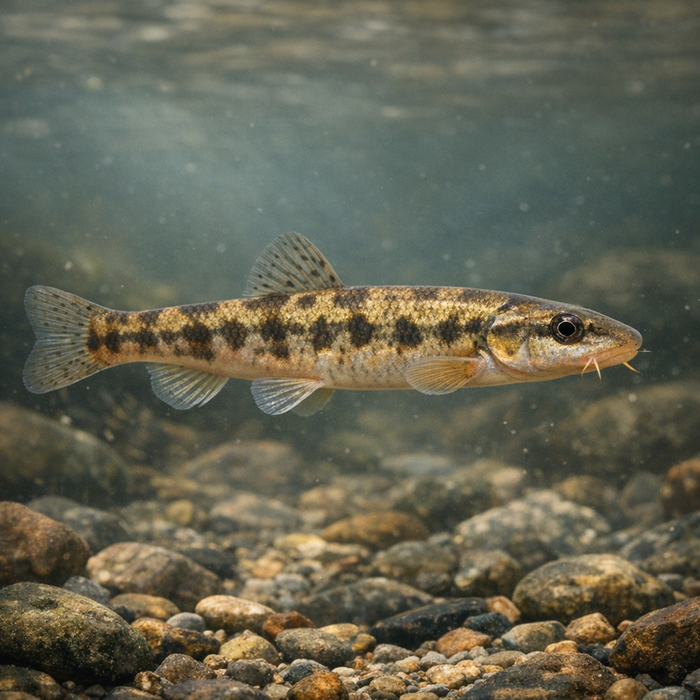
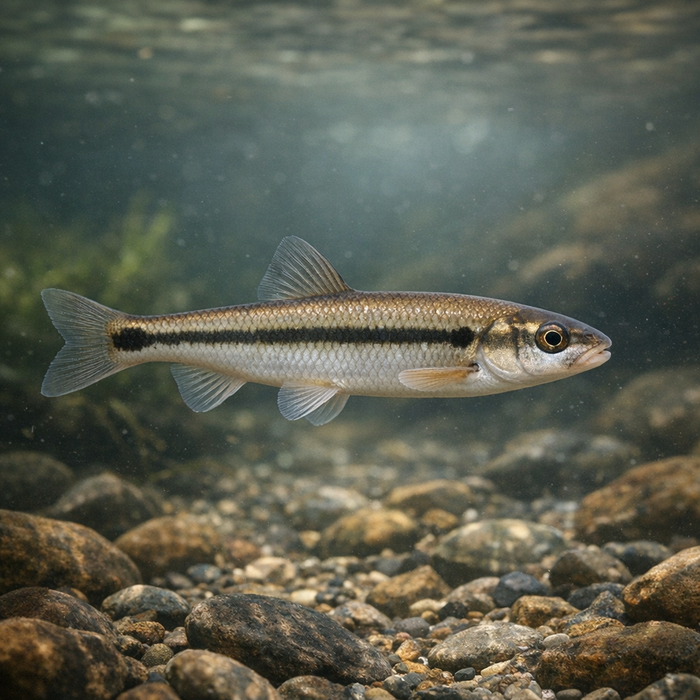
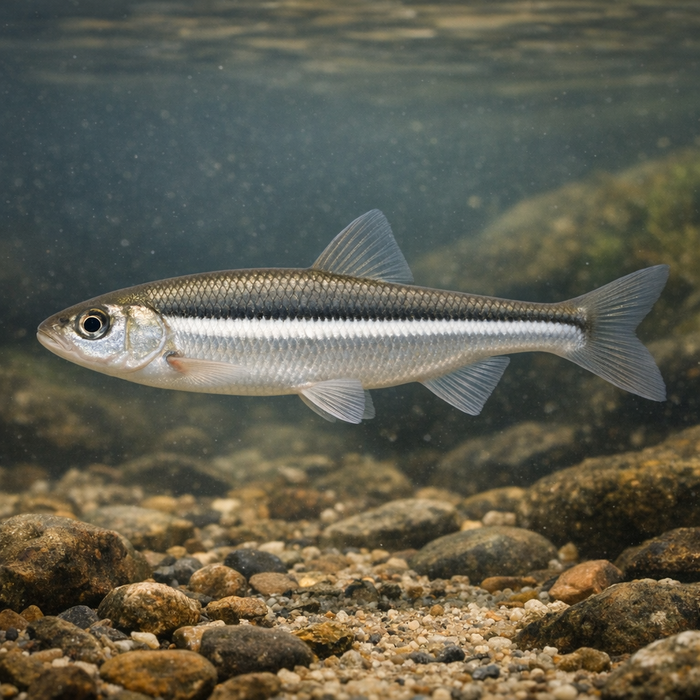
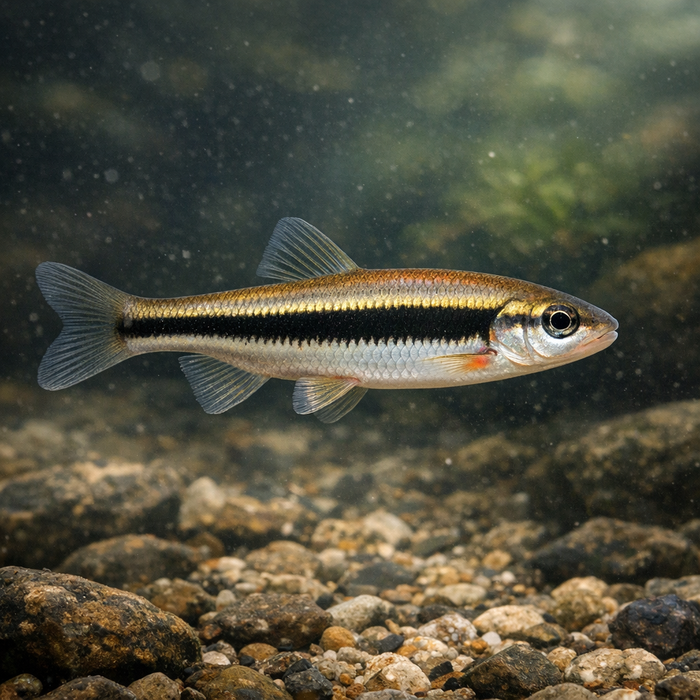
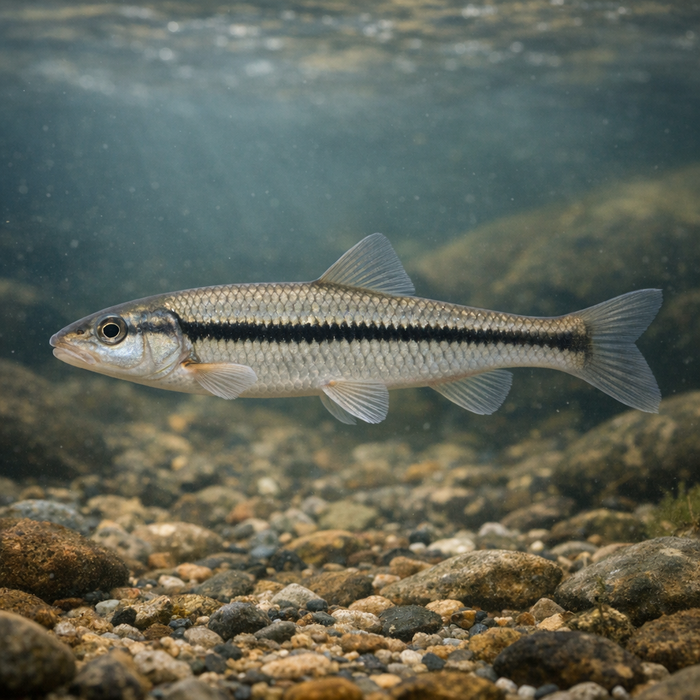
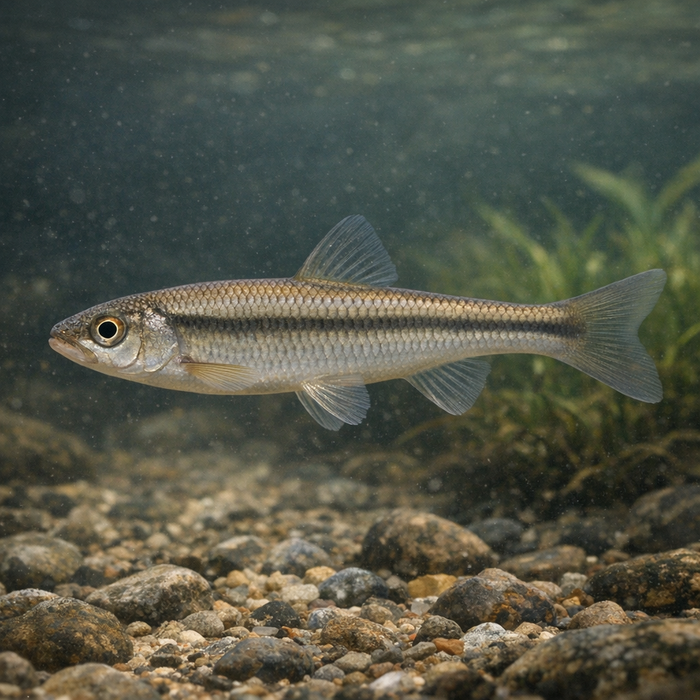
Sandhills Chub (Semotilus lumbee): A small-stream specialist with big-personality instincts.IntroductionThe Sandhills chub is the stealthy local you only meet when you wander off the main river and poke around those tea-stained, sandy trickles in the Carolina coastal plain. It's not a headline-grabbing gamefish, but it commands serious respect if you're into microfishing, native species, or just geeking out on how fish adapt to weird habitats. You want Sandhills chub facts? Start with this: it builds gravel mounds in places where clean gravel barely exists. That's stubborn charm.What Makes the Sandhills chub Unique?Two big traits set the Sandhills chub apart. First, nest engineering. Like its Semotilus cousins, the male gathers pebbles one at a time to build a spawning mound, then defends it like it's beachfront property. In a landscape dominated by shifting sand, that nest-building is both ridiculous and brilliant. Second, it's an endemic specialist. The Sandhills chub occupies a tight slice of geography, which means it's tuned to warm, tannin-stained, low-gradient creeks and the hydrology quirks that come with them. If you find one, you've basically stumbled into a native freshwater micro-biome with its own house rules.Habitat & Global RangeThe core Sandhills chub habitat is narrow, shallow, and deceptively complex. Think ankle- to knee-deep runs, undercut banks, and woody debris scattered across pale sand. Current looks mild until you drop a leaf and watch it accelerate along a seam. Vegetation and tannins paint the water a bourbon tint. Those creeks sit in the Sandhills of the southeastern United States, where low relief and sandy soils create streams that can flood hard after rains, then settle to glass. The Sandhills chub thrives in the calmer edges, pool tails, and chute transitions where sand drifts but doesn't smother everything. If you're cataloging Sandhills chub habitat, bank cover, shadows, and subtle depth changes matter more than boulder gardens.Behavior & TemperamentFor a fish measured in inches, the Sandhills chub acts like a backyard watchdog. It patrols a tiny beat, dashes for cover at sloppy footfalls, then reappears to nip at anything bite-sized tumbling through. Spawning season flips the switch from cautious to cocky. Males develop rough nuptial tubercles and get territorial over their constructed mounds, often attracting other minnows that piggyback on the prepared nest. Outside the spawn, they keep to low, interior lanes close to the bottom, slipping between wood, rootwads, and sand tongues. They're opportunistic feeders, snatching drifting invertebrates, tiny crustaceans, and, on occasion, whatever micro-commotion your hook is imitating.Ecological ImportanceThe Sandhills chub is a linchpin in small-stream food webs. Its nest-building literally rearranges substrate, creating rare patches of pebble and micro-flow relief in systems dominated by sand. That tiny patchwork benefits eggs, larvae, and invertebrates well beyond its own species. The fish also serves as a tidy energy shuttle, converting bugs scraped or drifted from the benthos into biomass every larger thing likes to eat. Where the Sandhills chub is healthy, you're looking at creeks with intact riparian cover, stable baseflows, and functioning groundwater inputs. It's a small-fish, big-signal situation.Conservation & Environmental PressuresWith a tight range and specialty habitat, the Sandhills chub feels every local decision. Channelization, culverts that sever flows, groundwater withdrawals, and sand-choking runoff reduce the very features it needs for nests and refuge. Even recreational trampling at popular access points can destabilize banks and collapse undercuts. Add drought cycles and flashier storm events, and you've got a fish living by the mercy of hydrology and land use. Some jurisdictions flag it for conservation attention, not because it's vanishing overnight but because it's vulnerable when a few headwaters get abused. Protect the shadows, undercuts, and spring-fed trickles, and the Sandhills chub hangs tough.The FishyAF TakeIf you're chasing trophies, this isn't your fish. If you're chasing stories, it absolutely is. The Sandhills chub turns a two-foot-deep, sandy ditch into a puzzle box: stealth wading, tiny tackle, careful drifts, and the satisfaction of seeing a native do its quirky thing right where it belongs. For anglers who appreciate nuance, the Sandhills chub habitat is a masterclass in subtle current and micro-structure. The fish itself? Feisty, honest, and impossible not to respect. Learn the creeks, mind your footsteps, and you'll collect your own set of Sandhills chub facts the old-fashioned way: one careful presentation at a time. That's FishyAF.