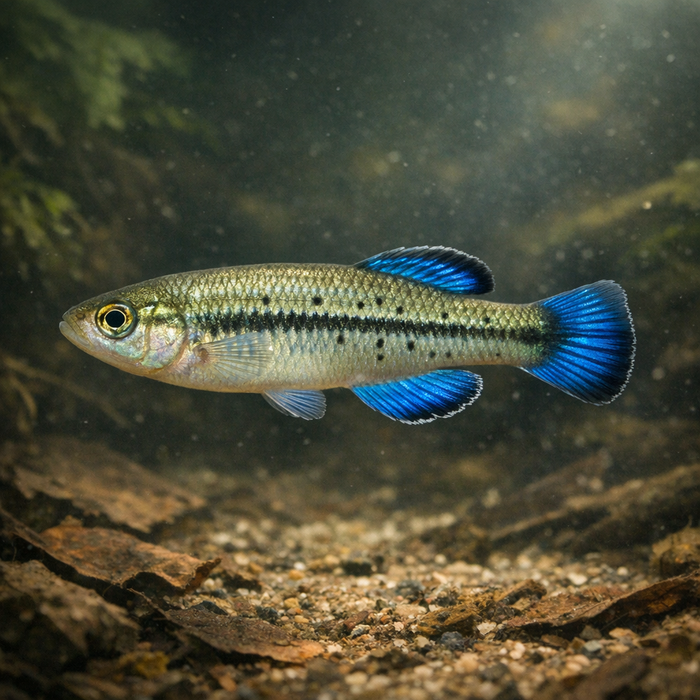
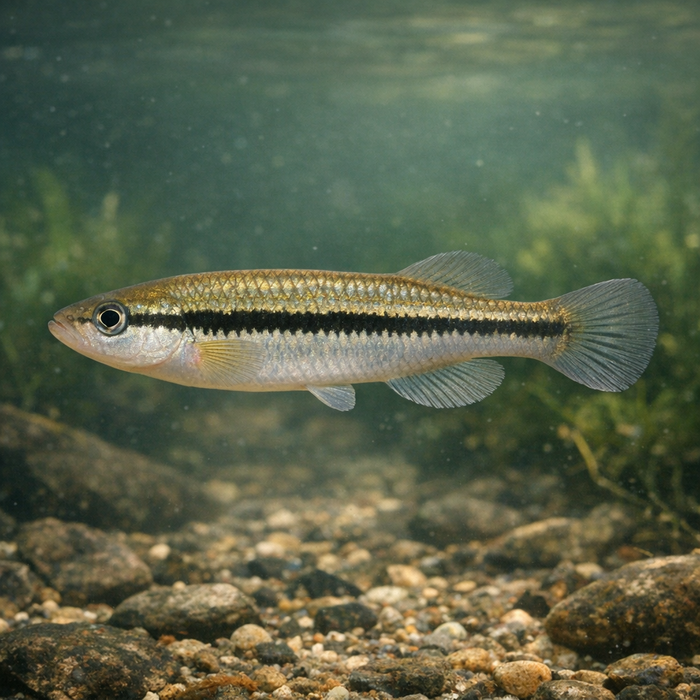
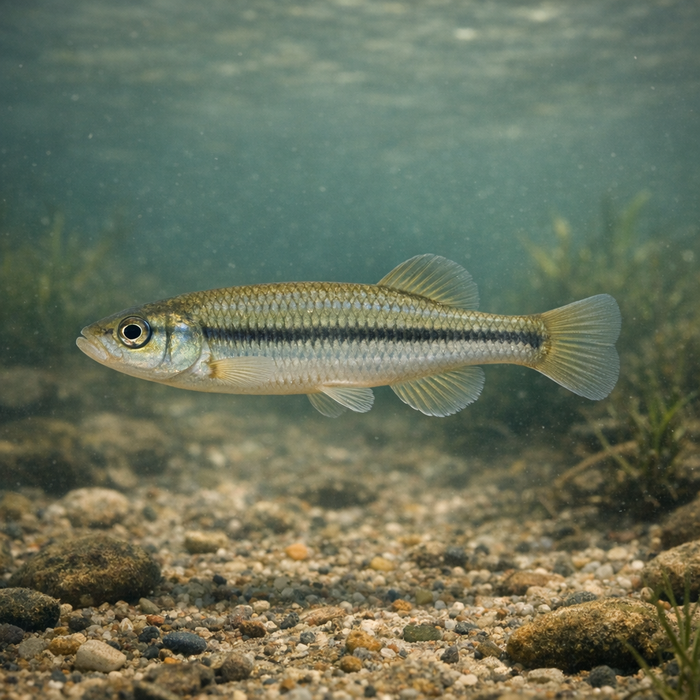
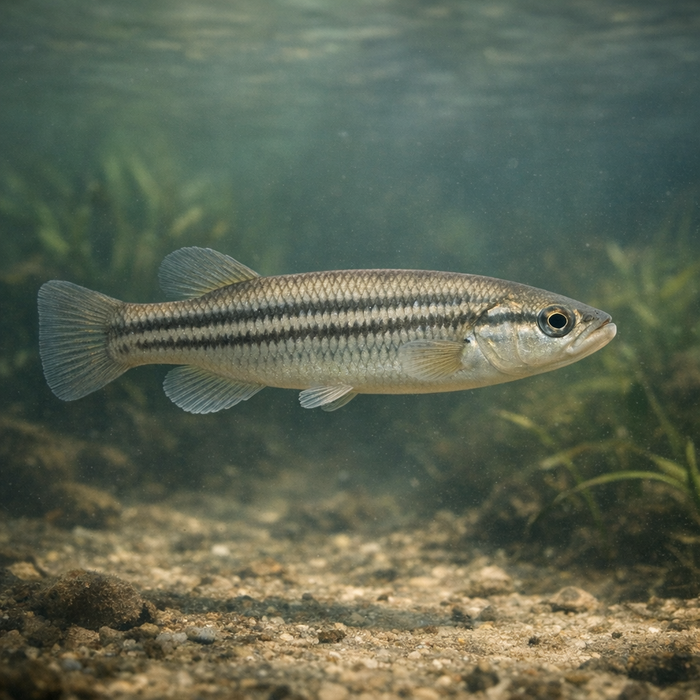
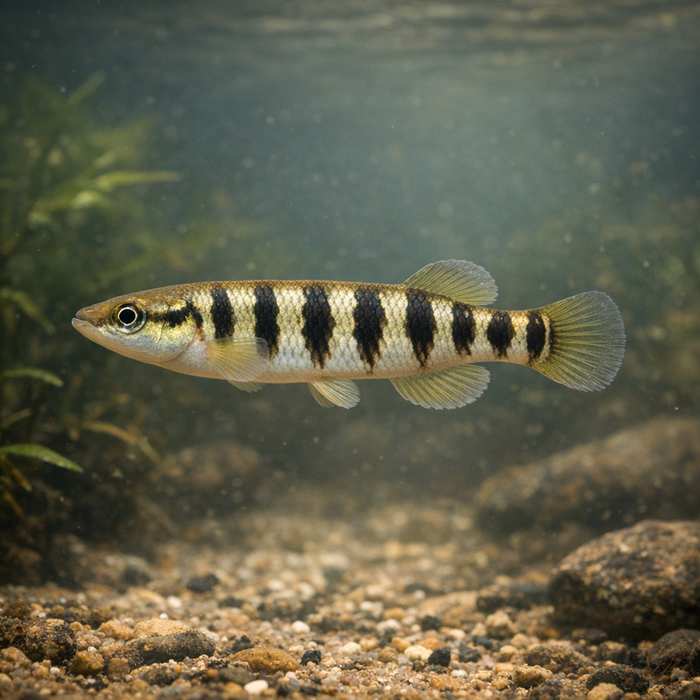
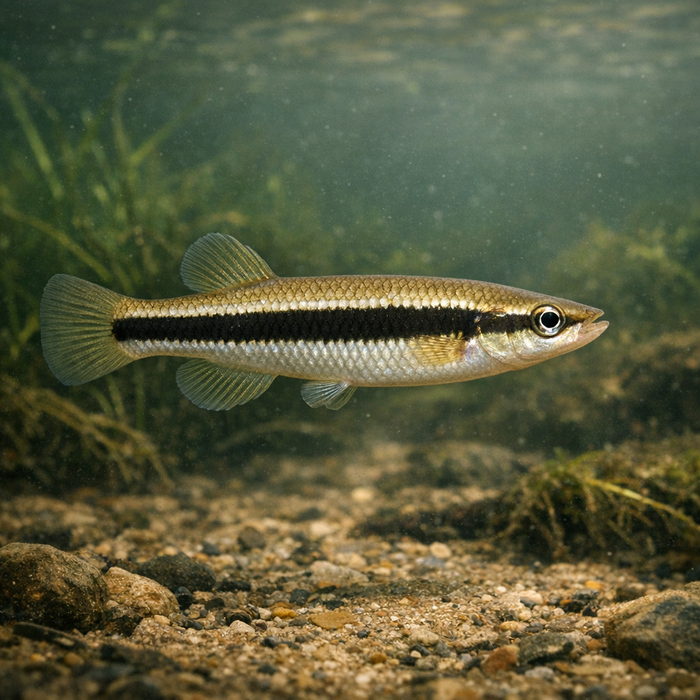
Waccamaw Killifish (Fundulus waccamensis): A Bold, Memorable Hook LineIntroductionThe Waccamaw killifish is a specialist with a zip code. This sleek little micro-predator evolved inside one stunning, sky-blue bowl of water: Lake Waccamaw, North Carolina. If that sounds niche, it is. But it's also why this fish is irresistible to anglers who chase species lists and weird, wonderful endemics. Think of it as a tiny assassin patrolling glass-clear shallows with a periscope mouth, engineered to nab whatever drifts across the surface.What Makes the Waccamaw killifish Unique?Start with endemism. The Waccamaw killifish is essentially a one-lake wonder, a textbook case of isolation crafting something distinct. The lake's unusual limestone-influenced chemistry and clarity sculpted a fish built for bright, shallow hunting. Males show off dark vertical bars and electric fin edging during the spawn, then vanish in a blink when anything looks spooky. Add in microfish speed and you've got stealth fishing on hard mode. These are the Waccamaw killifish facts that make species hunters grin.Habitat & Global RangeYes, "global range" is basically one sparkling dot on the map. The Waccamaw killifish habitat is the shallow, sandy, and shell-hash edges of Lake Waccamaw and connected canals and creeks. The water tends toward clear and alkaline thanks to the marl and limestone underlying the basin. Think cypress knees, sparse grass, dock shadows, and ankle-deep flats when the sun is high. It's a shore-walker's fish, and it doesn't take a boat to meet one.Behavior & TemperamentThis fish is built for ambush in bright water. The upturned mouth screams surface feeding, and that's exactly how they operate-picking insects, larvae, and drifting snacks with fast strikes. They school loosely, peel off to feed, then regroup when spooked. Expect quick, darting runs, not a tug-of-war. During spring and early summer, they congregate in warmer shallows to spawn, scattering adhesive eggs onto vegetation and shell bits. In wind, look for fish stacking on the leeward side where plankton and insects gather.Ecological ImportanceSmall doesn't mean trivial. The Waccamaw killifish is a key link between insect production and larger predators like sunfish and juvenile bass. It clips mosquito larvae at the surface and recycles energy up the food web. Because it's so tightly tied to water clarity, shoreline structure, and chemistry, the species also acts like a living meter for lake health. When the Waccamaw killifish thrives, the shallows are doing their job.Conservation & Environmental PressuresA one-lake life is thrilling until the lake gets stressed. Shoreline hardening, nutrient runoff, invasive vegetation changes, and shifts in water levels can all squeeze habitat. Algae blooms are particularly rough on a fish that hunts by sight in clear water. While not the poster child for mainstream regulation, it's recognized as a conservation priority because a local disturbance can ripple across the entire population. Keeping the shoreline natural, water clean, and access mindful isn't feel-good fluff-it's survival math for an endemic.The FishyAF TakeChasing a Waccamaw killifish is microfishing with style points. It's a precision game: tiny hooks, tiny baits, and big stealth in neon-clear water. You fish for seconds-long windows when a school settles, you make a surgical drop, and you celebrate a fish that barely bends the rod. That's the charm. It's proof that great fishing isn't about size; it's about specificity. Treat them gently, snap a quick ID photo, and let them zip back to patrol the blue. Lake Waccamaw made this fish. Our job is to make sure it keeps doing exactly that.