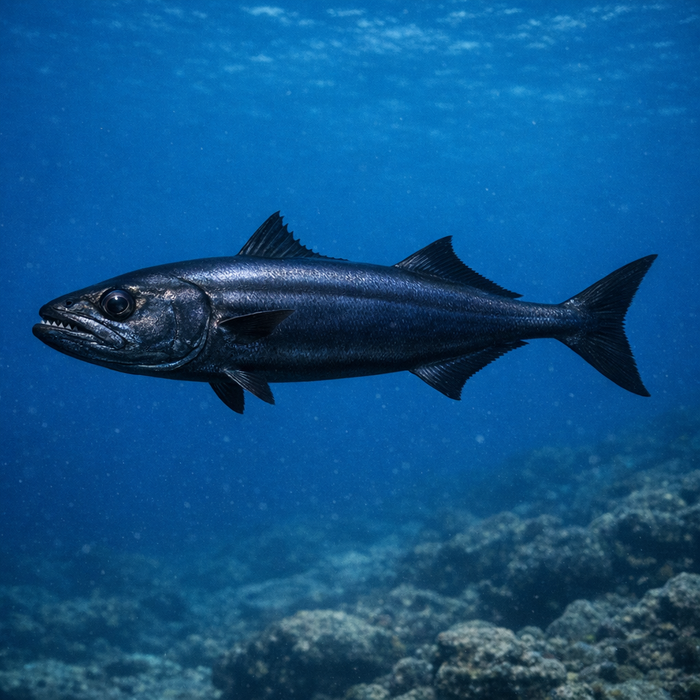
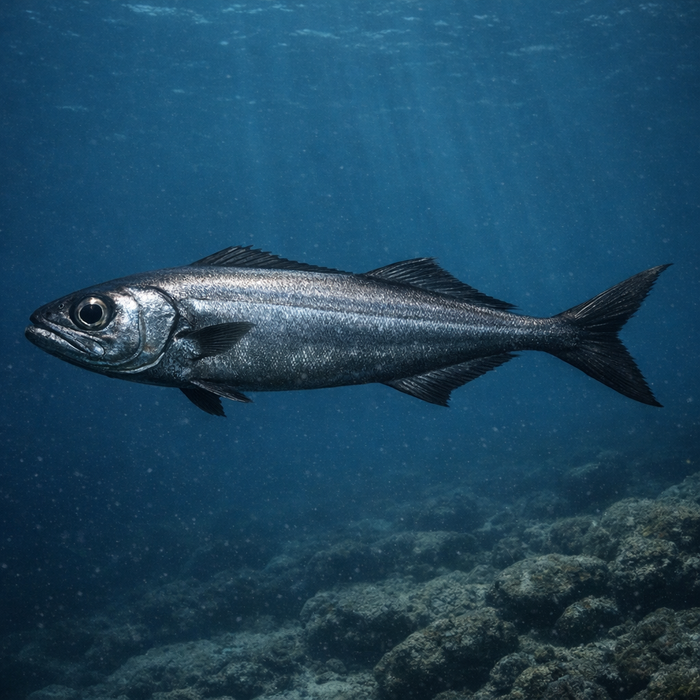
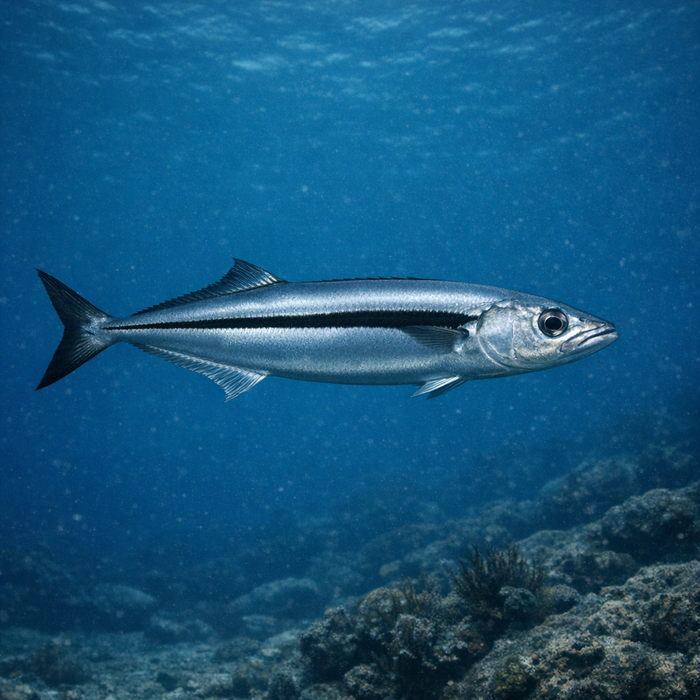
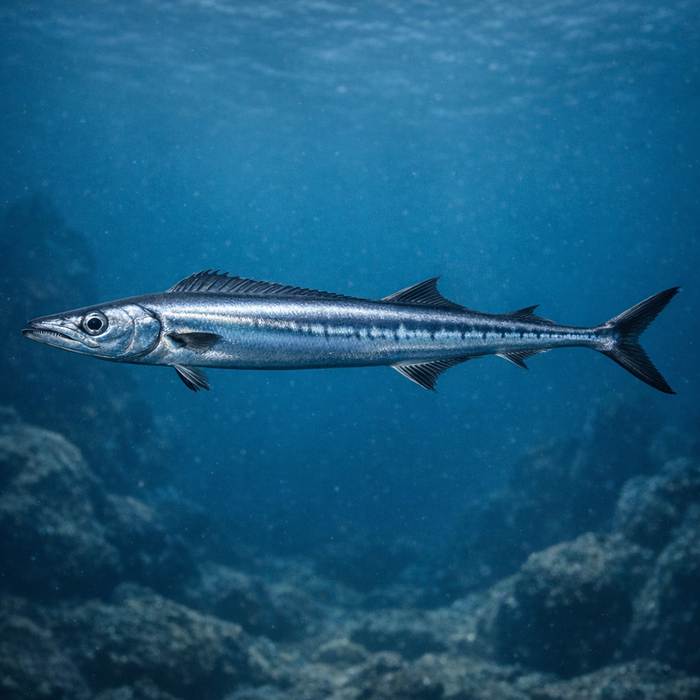
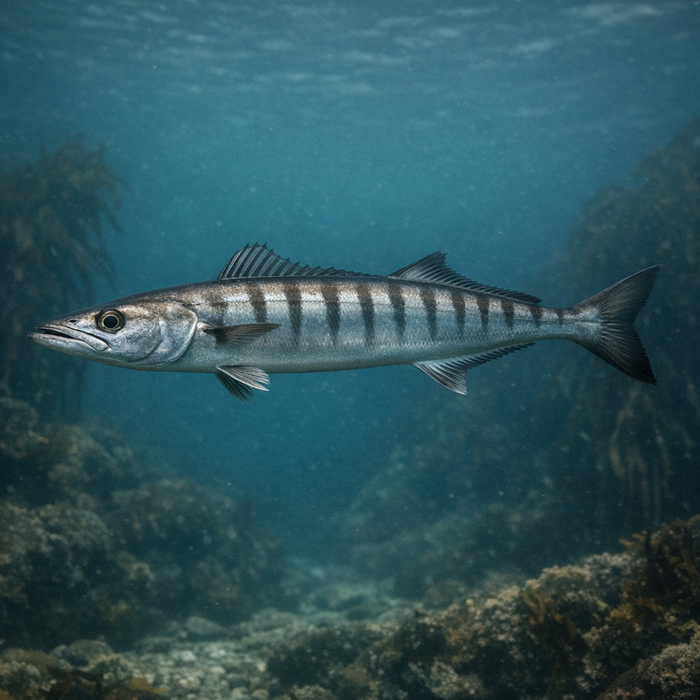
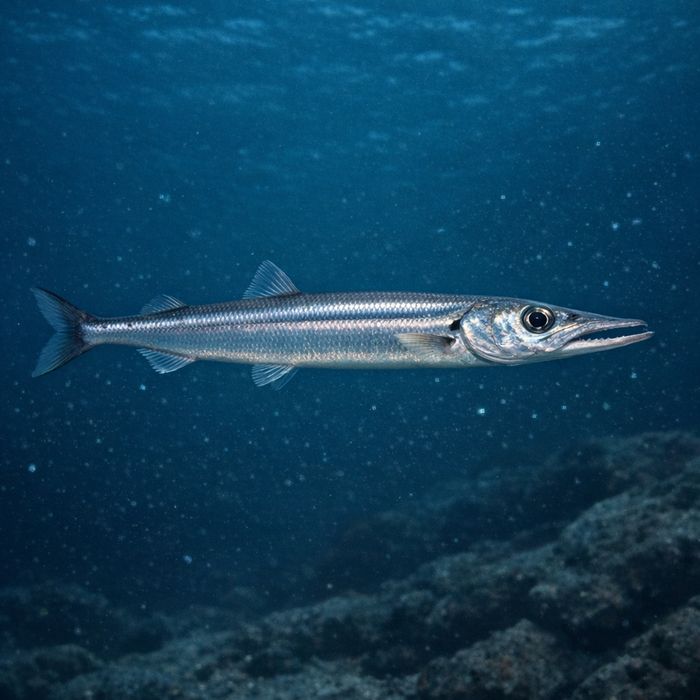
Black Snake Mackerel (Nealotus tripes): A stealthy deep-sea raider with a bad habit of wrecking your sword baitIntroductionThe black snake mackerel is the small, jet-black troublemaker that shows up when your deep-drop spread is finally dialed. It is built for darkness, tuned to the midwater, and mean to anything that looks edible. You do not hear about them often, but if you fish canyons, seamounts, or offshore drop-offs at night, this species eventually introduces itself. Consider this your crash course in Black snake mackerel facts that actually help you understand the fish.What Makes the Black snake mackerel Unique?First, Nealotus tripes is the lone member of its genus, which already makes it stand out among snake mackerels. Second, it runs without a swim bladder, trading buoyancy for quiet speed and instant depth changes. Third, it is a card-carrying night commuter, pushing up from the deep scattering layer to crush whatever drifts under lights or glows in the gloom. Put together, the black snake mackerel is a purpose-built midwater hunter, compact but fearless.Habitat & Global RangeIf you asked an oceanographer to design a fish for the mesopelagic, you would get something very close to the black snake mackerel. Think deep offshore open water, typically far from land, near canyon walls, continental slopes, and offshore banks. It rides the same deep scattering layers that baffle sonar techs, and it shows across temperate and tropical oceans worldwide. That global spread does not make it easy. The black snake mackerel habitat is usually hundreds to thousands of feet down, with bites switching on when darkness pulls prey up the water column. Around boats, they appear like ghosts under swordfish lights or as unexpected guests on tilefish drifts.Behavior & TemperamentAggressive for its size, the black snake mackerel hits baits and small jigs hard, then dogfights in short bursts. It often travels in loose packs, which is why a quiet drift can suddenly turn chaotic with multiple taps and shredded offerings. Big reflective eyes cue into faint glimmers and silhouettes, and those needle teeth are built to pin slippery prey. Diel vertical migration is the move: deep by day, rising at night, sometimes to surprisingly fishable depths when lights concentrate forage.Ecological ImportanceThis fish is an energy courier between the deep scattering layer and higher predators. It converts lanternfish, squid bits, and other midwater snacks into tunas, billfish, and sharks that patrol the same offshore highways. In other words, the black snake mackerel is small, but it is not minor. It is part of the machinery that lifts deep-ocean biomass toward the surface food web, one midnight snack at a time.Conservation & Environmental PressuresDespite a broad distribution and generally low commercial interest, deep-ocean change matters here. Shifting currents, warming layers, and altered oxygen zones can move the scattering layers and mash the timing of those nightly commutes. Bycatch in deep trawls and longlines also takes a toll in some regions. The species is usually listed as Least Concern, but that label leans on its wide range, not on intimate stock data. Like many midwater fish, it lives in a neighborhood we barely understand.The FishyAF TakeThe black snake mackerel is the uninvited party crasher every deep-dropper secretly respects. It is not a glamour fish, but it is a perfectly tuned mesopelagic missile: fast, sharp, and bold enough to mug a squid strip meant for something ten times bigger. Want practical Black snake mackerel facts? Think night, think movement, think glow. If you fish the offshore slopes long enough, you will meet this species. When you do, take a good look. This little bandit tells you the deep scattering layer just clocked in and the real night shift has started.