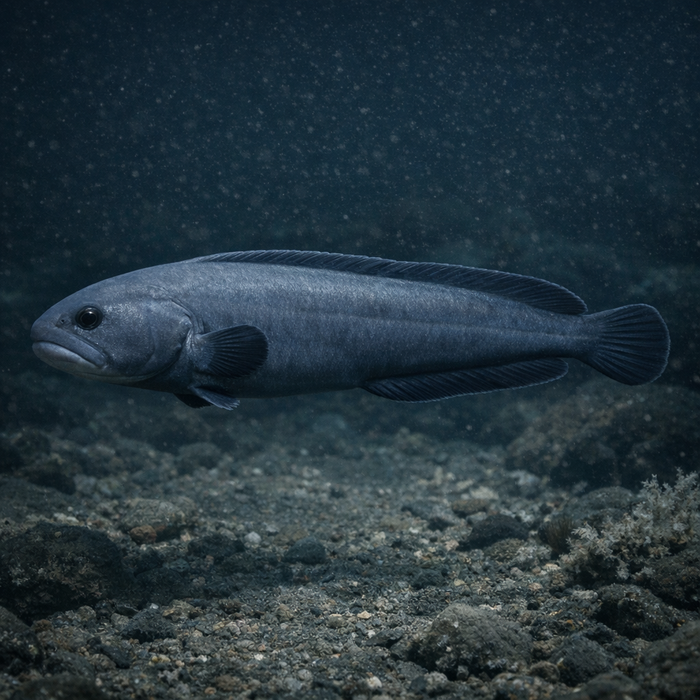
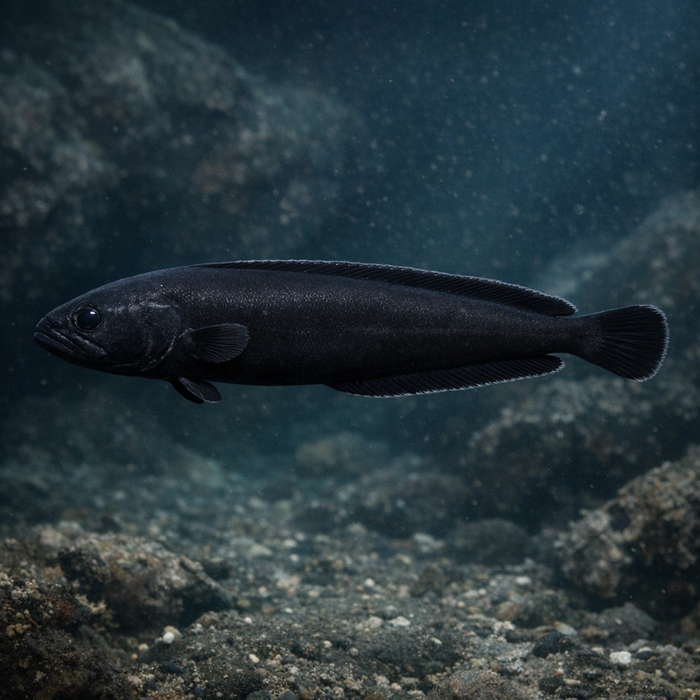
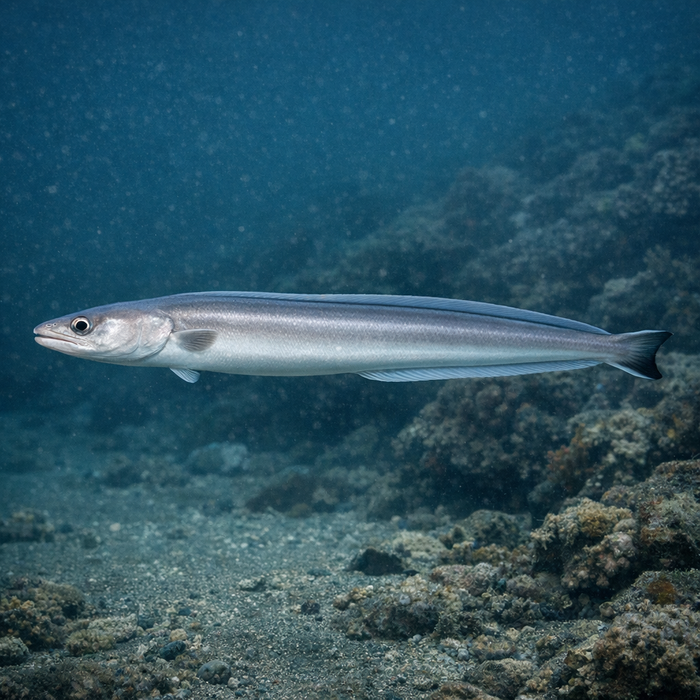
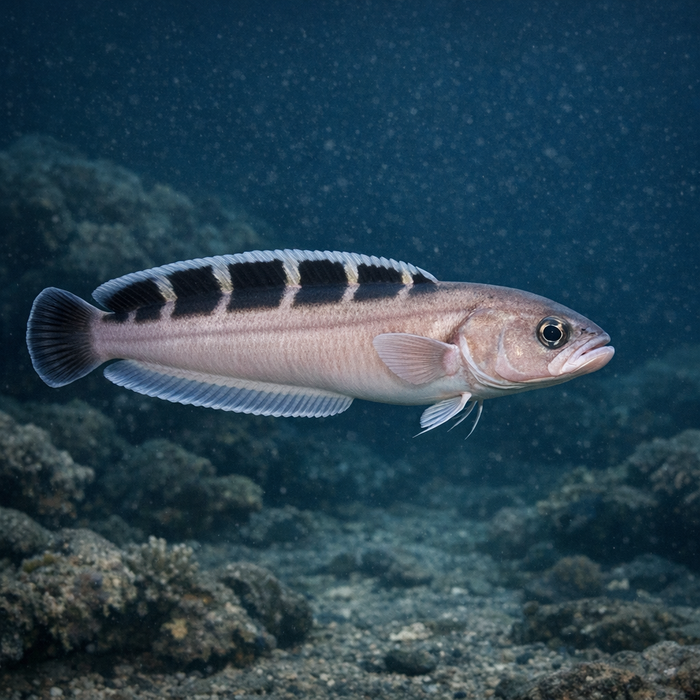
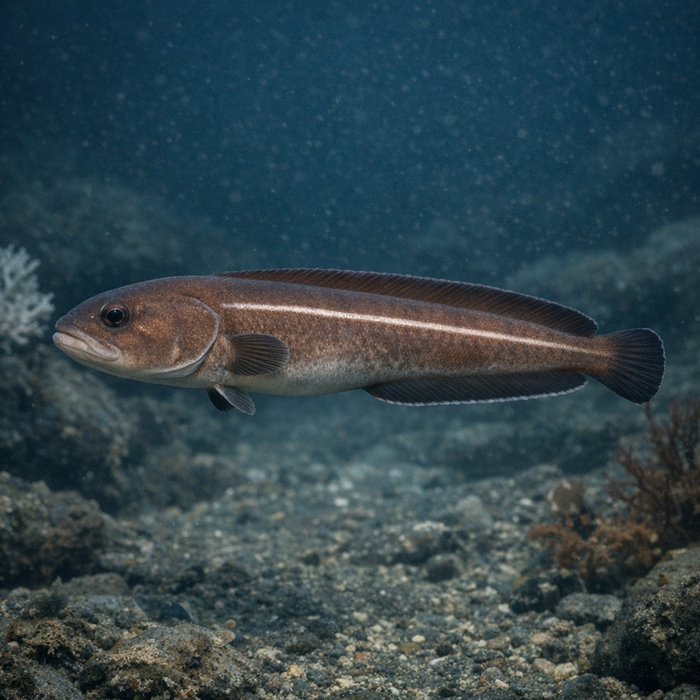
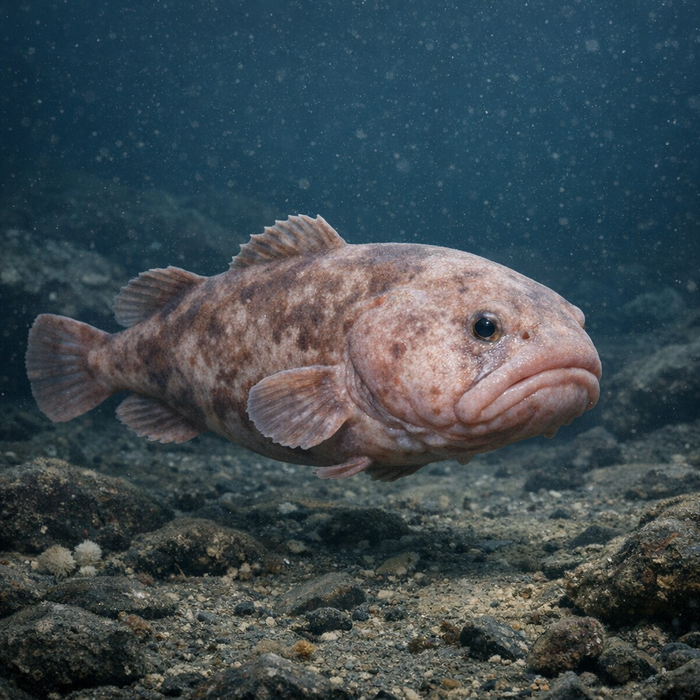
Dogface Witch-Eel (Facciolella gilbertii): A deep-rolling, canyon-haunting noodle with a mean overbiteIntroductionIf you enjoy fishing where sunlight goes to die, meet the dogface witch-eel. This long, whiplike predator sleuths along muddy canyon walls hundreds to thousands of feet down, far from casual weekend traffic. It isn't a glamour fish, but it's exactly the kind of deep-oddity that keeps hardcore bottom hounds dropping baits just one canyon edge deeper. Consider this your crash course in dogface witch-eel facts and why this ghost of the slope deserves a spot on your weird-fish bingo card.What Makes the Dogface witch-eel Unique?First, that face. The dogface witch-eel sports a blunt, slightly upturned snout and an unapologetic overbite, giving it the canine mug that inspired its name. Second, the body plan is pure deepwater efficiency: a scaleless, eel-like tube tapering to a long filamentous tail that lets it snake across ooze without stirring up a cloud. Third, the mouth opens shockingly wide for its size. This isn't a jaw built for nibbling; it's a deployable trap engineered to inhale elongate prey in low-light ambushes. Put together, the dogface witch-eel is a specialized, low-drag hunter that thrives in places where current, mud, and darkness rule.Habitat & Global RangeThe dogface witch-eel habitat sweet spot is the deep continental slope and submarine canyons of the eastern Pacific, with soft mud, silt, or ooze underfoot and steady current sliding past. Think shelf break edges, canyon aprons, and gently sloping mud walls, not coral heads or kelp forests. While exact distribution notes get fuzzy because of deepwater sampling limits and lookalike cousins, the species is associated with the eastern Pacific corridor where cold currents and rich upwelling build strong food chains to fuel life in the dark.Behavior & TemperamentThe dogface witch-eel is no sprinter. It cruises in low gear, hugging bottom, testing the world with smell and lateral-line senses more than vision. It isn't territorial in any way anglers would notice. Instead, it's opportunistic, roaming short distances and pouncing when scent and vibration line up. Fight-wise, temper your expectations. This is more slow-wriggle than rodeo. But in extreme depths, even mellow fish become a puzzle: keeping baits pinned to zone, detecting shy taps through heavy leads, and retrieving fish intact through wild current layers becomes the real sport.Ecological ImportanceDown deep, everything runs on efficiency and leftovers. The dogface witch-eel is part scavenger, part ambush artist, mopping up pieces that drift downslope and keying on any thin, elongate fishes or invertebrates it can engulf. That makes it an important recycler in canyon food webs, linking carcass falls and slow-motion drift to mid-level predators. And because deepwater species often have slow growth and low reproductive output, their presence hints at a relatively intact slope community shuttling energy from the productive surface to the dark bottom.Conservation & Environmental PressuresYou won't find the dogface witch-eel headlining conservation campaigns, but deepwater doesn't mean invincible. Trawl footprints on slope habitats, climate-driven shifts in oxygen minimum layers, and changes in upwelling can all reshape these quiet neighborhoods. The species is currently listed as not evaluated, which says less about security and more about how little we formally know. For anglers, the practical takeaway is simple: keep handling gentle, avoid dry decks when possible, and treat the dogface witch-eel like the deep-living oddball it is.The FishyAF TakeIs the dogface witch-eel the hardest fighter? No. The tastiest? Definitely not. But it is the perfect badge for anglers who love the unknown edges of the map. You're not just catching a fish; you're sampling a working piece of the deep slope, where pressure, darkness, and current call the shots. Most trips it'll be a cameo in your deep-drop program. Sometimes it'll be the only thing that says yes. And when it does, you'll have a living reminder of just how weird and wonderful the deep canyons get. If you're building a species list or writing your own chapter of Dogface witch-eel habitat lore, this slippery, sharp-toothed drifter is absolutely worth a line in the logbook.