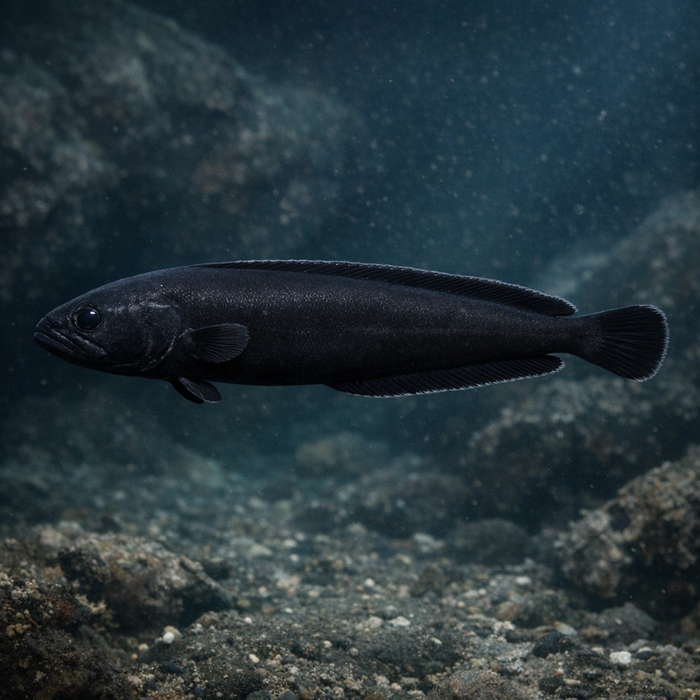
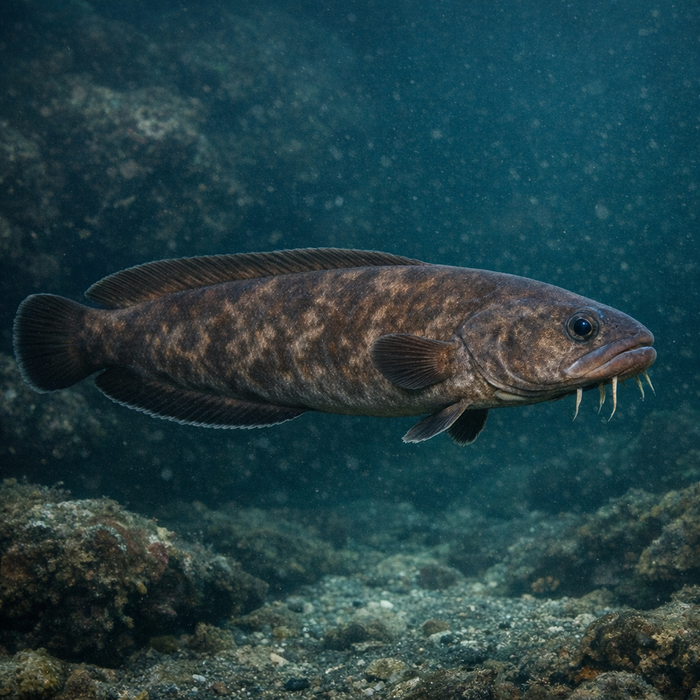
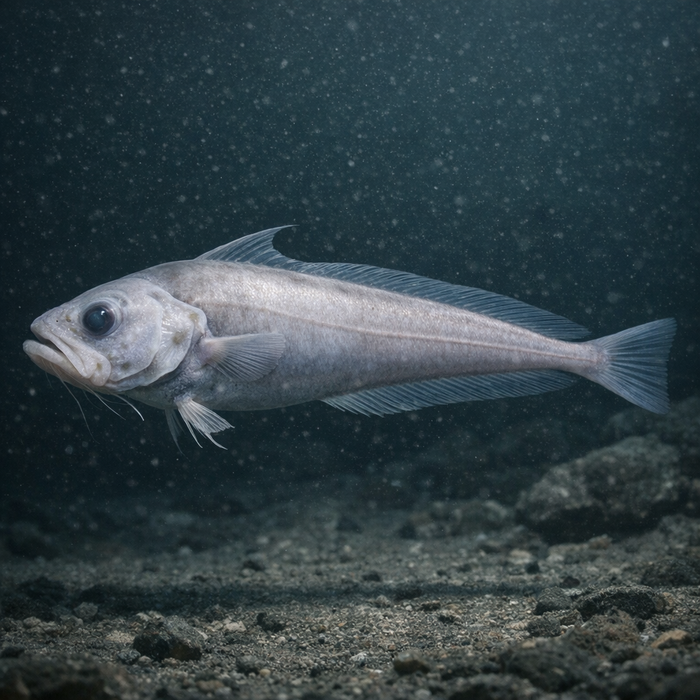
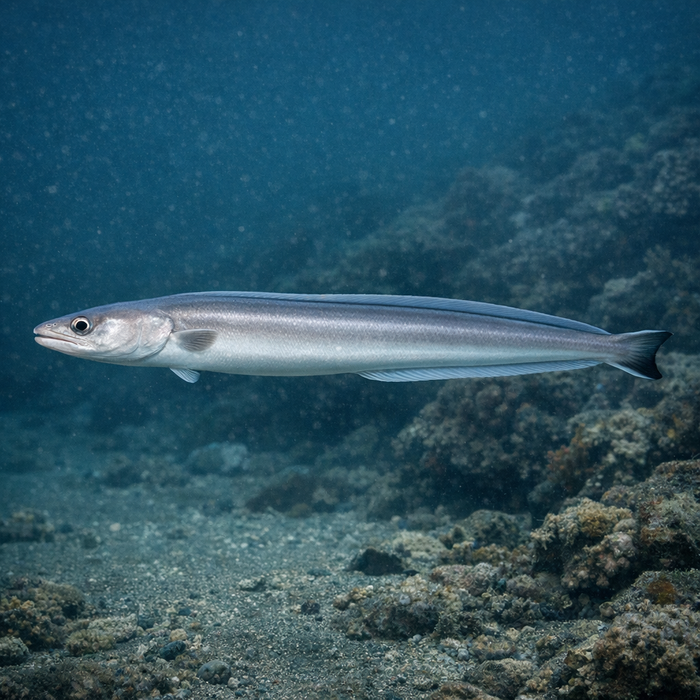
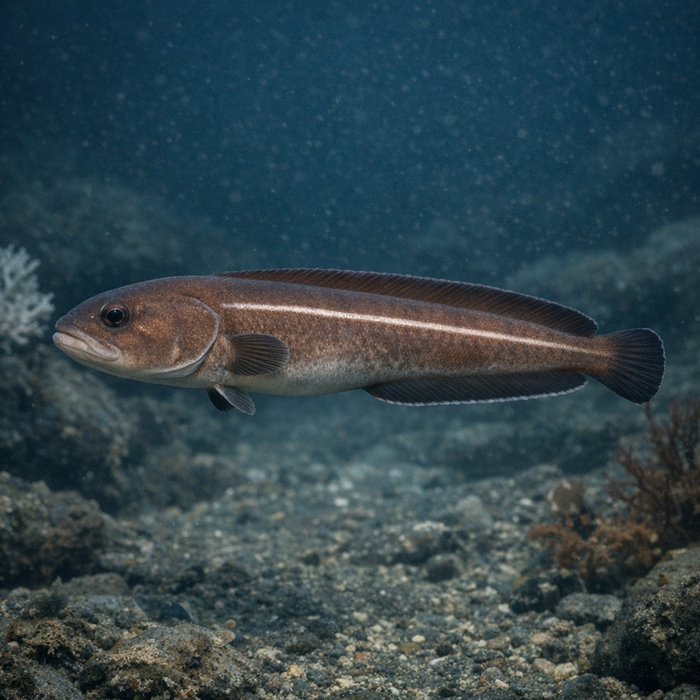
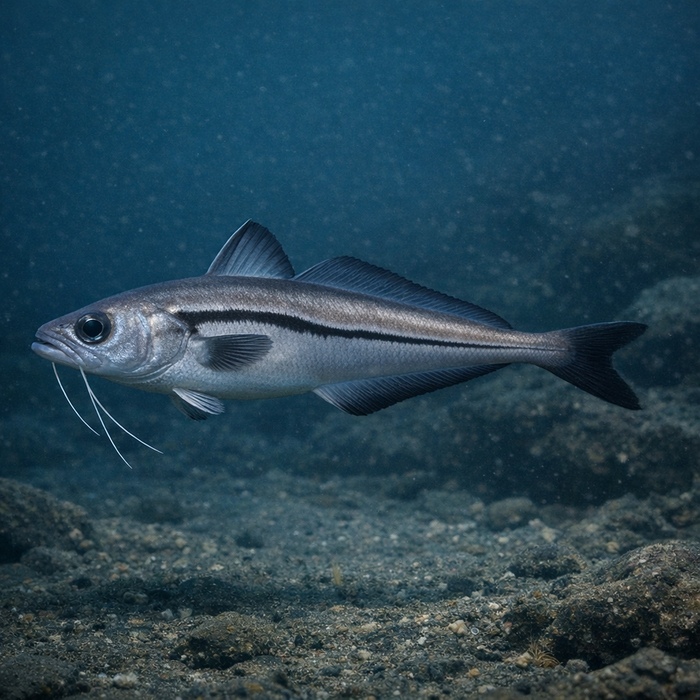
Stripefin Brotula (Neobythites marginatus): A Bold, Memorable Hook LineIntroductionThe stripefin brotula is the sneaky deep-slope wildcard that shows up on your chicken rig when you were daydreaming about grouper. It's slender, secretive, and far more specialized than its unassuming size suggests. Most anglers never set out to catch a stripefin brotula, yet it keeps photobombing deep-drop coolers across the Indo-Pacific. If you're chasing stripefin brotula facts or just wondering why this eel-bodied oddball keeps nipping your squid, welcome to the rabbit hole.What Makes the Stripefin brotula Unique?Start with the build. The stripefin brotula is all ribbon and stealth: a single continuous fin running from head to tail, delicate pelvic filaments under the throat, and a small, efficient mouth lined with recurved teeth. That black-edged dorsal margin gives the "stripefin" its calling card, a thin trim that's surprisingly dramatic in the beam of a deck light. It's adapted for the deep slope, where current, darkness, and pressure filter out everything that isn't perfectly tuned for bottom life.Habitat & Global RangeCall it a slope specialist. The stripefin brotula prefers continental slope mud, sand, and light rubble from roughly 100 to 450 meters, sometimes deeper. You'll contact them around canyon shoulders, seamount flanks, and the edges where softer bottoms kiss scattered rock. This is classic stripefin brotula habitat: quiet, cold, and dim, usually offshore where you need real bottom-finding discipline. The species is Indo-Pacific leaning, and although distribution records evolve as surveys improve, the pattern is consistent enough for deep-droppers to encounter them from the Indian Ocean through Southeast Asia into northern Australia. If you're combing charts for "stripefin brotula habitat," think structure-adjacent mud lanes on steep contours, not reef peaks.Behavior & TemperamentThey're ambushers, not sprinters. A stripefin brotula spends more time feeling the bottom with those chin filaments than blasting around in open water. Bites can be maddeningly light, a couple of casual taps that disappear if your rig isn't anchored and presented low. They're nighttime-inclined feeders even at depth, tracking micro-movements through an enhanced lateral line. When hooked, don't expect a fire drill; the fight is often a dull, fluttering resistance rather than a slugfest. What they lack in brawl, they make up for in mystery.Ecological ImportanceOn deep slopes, little predators like the stripefin brotula stitch together the food web, converting small crustaceans and baitfish into energy that bigger slope hunters can exploit. Their sensory toolkit and bottom-hugging style let them capitalize on currents that deliver prey downslope. They're also indicators: where you see them, you're probably in productive, current-touched habitat that supports a wide cast of deepwater characters.Conservation & Environmental PressuresFormal conservation status for Neobythites marginatus is thin, a common story for deep benthic fishes. The species isn't a primary commercial target, but trawl footprints, deepwater longlining, and habitat disturbance can still shape local abundance. Climate-driven shifts in oxygen and temperature layers are creeping deeper each decade, nudging slope communities around. The lack of targeted pressure is good; the lack of data is not. Handle them gently, minimize barotrauma time at the surface, and release cleanly if you're not keeping a sample.The FishyAF TakeThe stripefin brotula is a deep-drop vibe check. If it's on your rig, you've put baits in the right postal code: dark mud with a whiff of nearby structure and current. It's not a hero fish, and that's the charm. This sneaky customer rewards anglers who can read contours, judge current, and keep a tight braid-to-sinker angle for hours. Master that, and the brotula is one more receipt that you're fishing where the groceries actually run. File it under: small, strange, and absolutely legit.