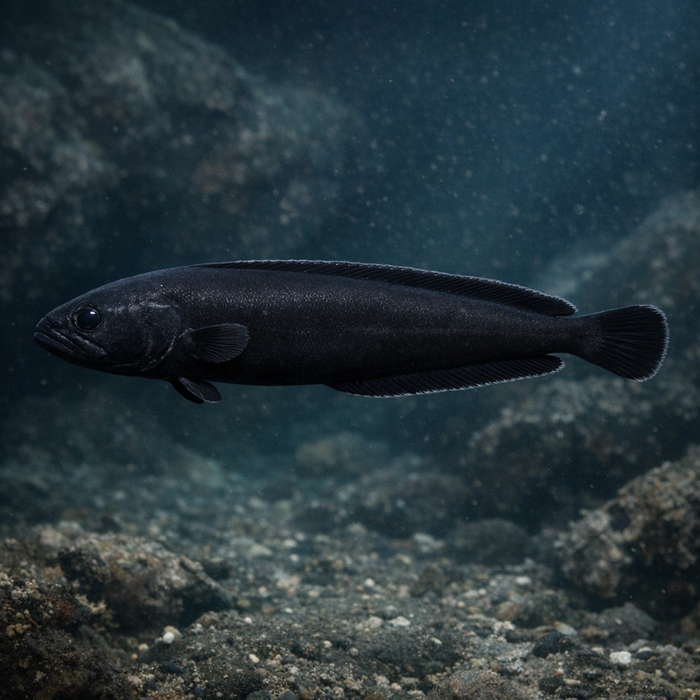
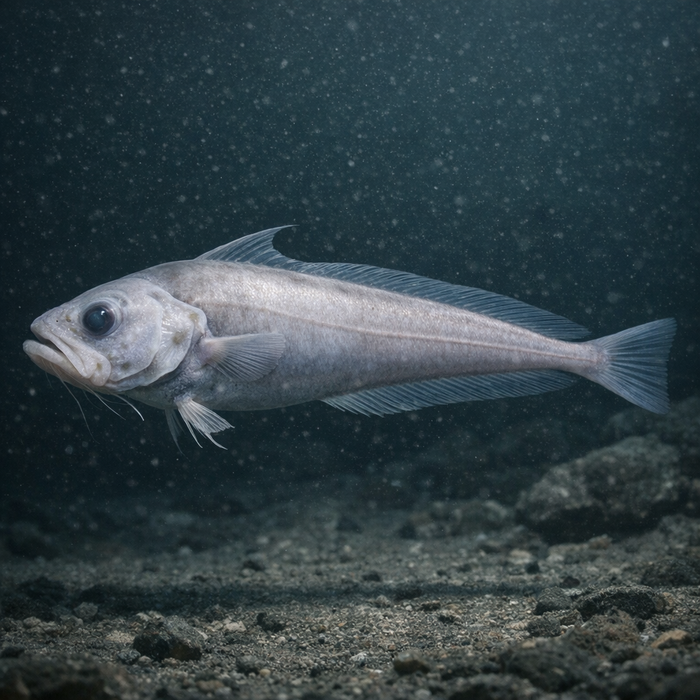
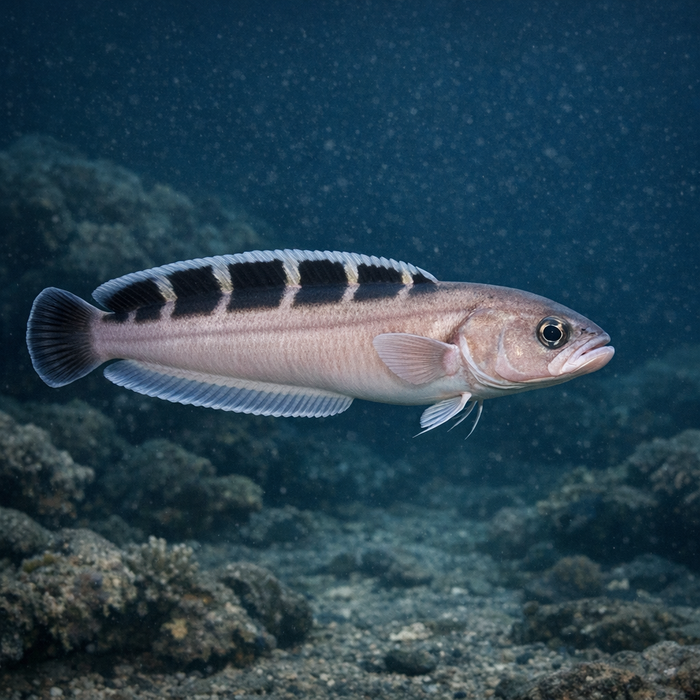
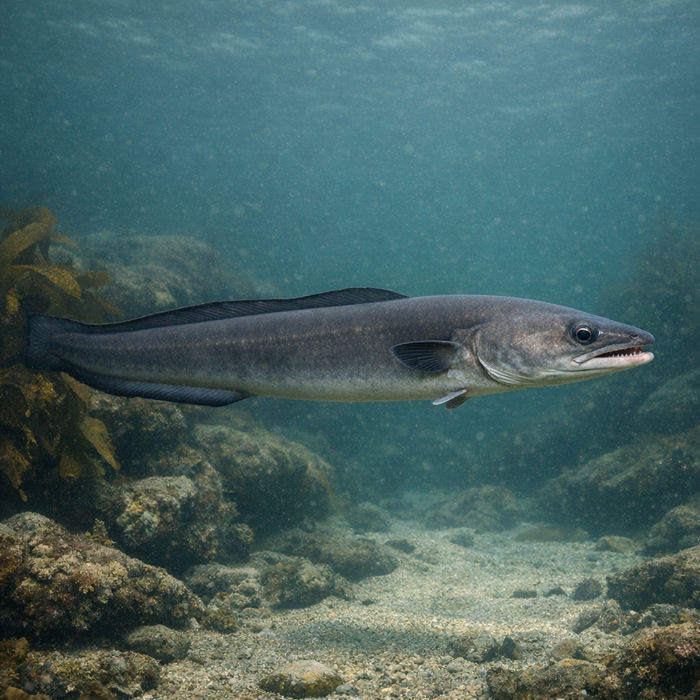
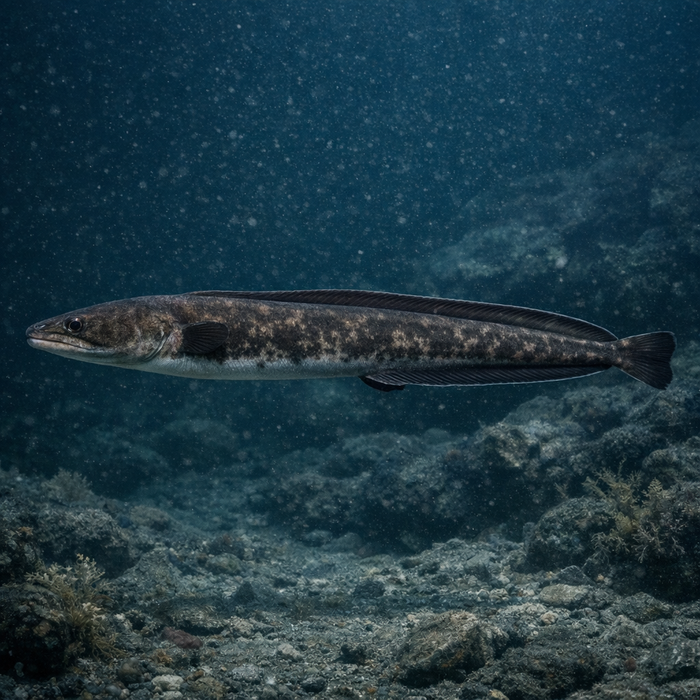
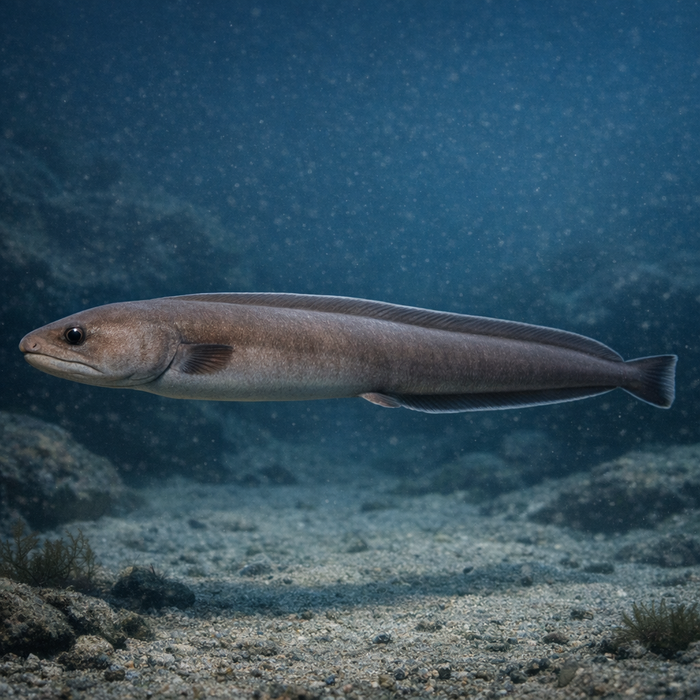
Bearded Brotula (Brotula barbata): The reef's bearded night crawler with a serious taste for crevices.IntroductionMeet the bearded brotula, the cusk-eel cousin that sneaks out after dark to raid the reef pantry. It's not flashy. It's not famous. But it's built like a stealth submarine with a sensory beard and an endless fin-ribbon that lets it slither through caves and wrecks like a rumor. Anglers run into them while soaking baits for snappers or groupers, then do a double take: what is this eel-ish thing with a beard? Consider this your crash course in bearded brotula facts and why this oddball deserves a little more respect.What Makes the Bearded brotula Unique?First, the chin barbels. That "beard" isn't decoration; it's a live-wire sensor array the fish uses to feel prey in darkness and tight structure. Second, the body plan. The dorsal, caudal, and anal fins connect into one long ribbon, making the bearded brotula glide, reverse, and pivot with ballerina control in places normal fish won't risk. Third, it's a talker. Like other cusk-eels, it can drum its swim bladder to produce grunts and buzzes, especially during courtship or territorial encounters. Add a gelatinous ribbon of drifting eggs, and you've got one of the reef's most eccentric residents.Habitat & Global RangeBearded brotula habitat centers on high-relief structure: coral caves, rocky ledges, buttress walls, and the shadow zones of wrecks. They work the tropical and subtropical Atlantic on both sides, from the Gulf and Caribbean through the equatorial belt and across to West Africa and nearby islands. Depths vary widely, but think edges and drop-offs where the reef spills into darker water. They slip into daylight hideouts and slide out at night to prowl, snatching crustaceans and small fishes that wander too close to their holes.Behavior & TemperamentThis is a nocturnal ambush artist, more methodical than aggressive. The bearded brotula noses into cracks with its barbels, then vacuums prey with quick, efficient snaps. It's tight to cover, often backing into a lair and watching the doorway. Hook one and the fight is stubborn but not wild; the challenge is prying it away from snags before the line saws through something expensive. They rarely school, though multiple fish can haunt the same wreck complex if groceries are good. Feeding windows spike in low light and at night, with a little boost when current shuttles scent into the structure.Ecological ImportanceBottom dwellers like the bearded brotula link the cryptic reef micro-world to the larger food web. They convert invertebrates and small fish into calories for bigger predators and keep nocturnal crustacean populations honest. Their floating egg ribbons spread larvae across broad stretches of ocean, helping recolonize reefs after storms or bleaching. In short, they're important background players that make coral neighborhoods hum along after sunset.Conservation & Environmental PressuresThe species is not a headline conservation case, but it isn't bulletproof either. Habitat loss from coral degradation, coastal development, and storm damage trims away the very caves and ledges they need. Bycatch in traps or longlines happens, though it's not a primary commercial target. Depth closures, trap limits, and protected reef zones that help groupers and snappers tend to help brotulas too. Stable for now, but like all reef dwellers, their fortunes ride with the health of the structure.The FishyAF TakeThe bearded brotula is the reef's after-hours janitor with a ninja toolkit. You won't book a charter just for one, but when the rod loads up on a quiet night drop and a whiskered, ribbon-finned weirdo surfaces, you've met real reef character. It's a reminder that fishing isn't only trophies and hero shots. Sometimes the best story is a shadowy fish that hums, feels the world with a beard, and turns a forgotten crevice into a grocery run. If you're hunting authentic bearded brotula habitat, fish tight to the metal and rock, after dark, with something that stinks just enough to ring the dinner bell. That's when this cryptic specialist stops being a rumor and becomes a legit checkmark on your species list.