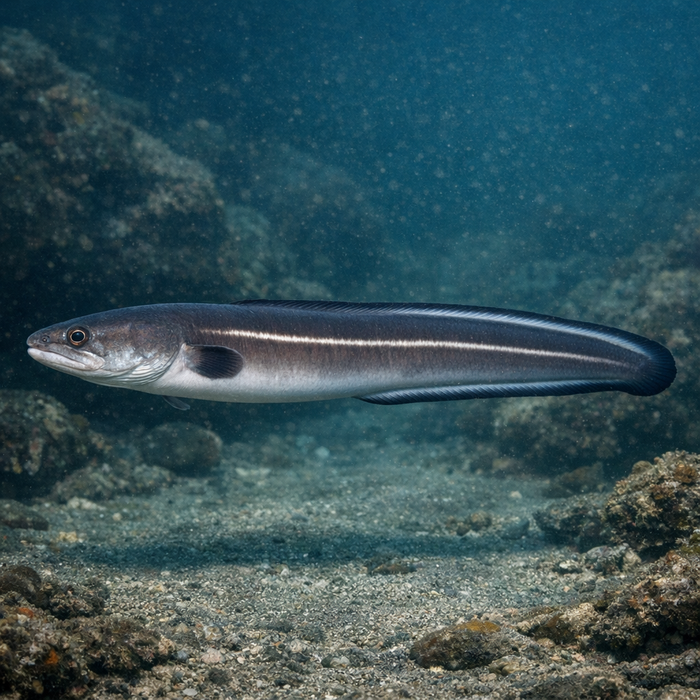
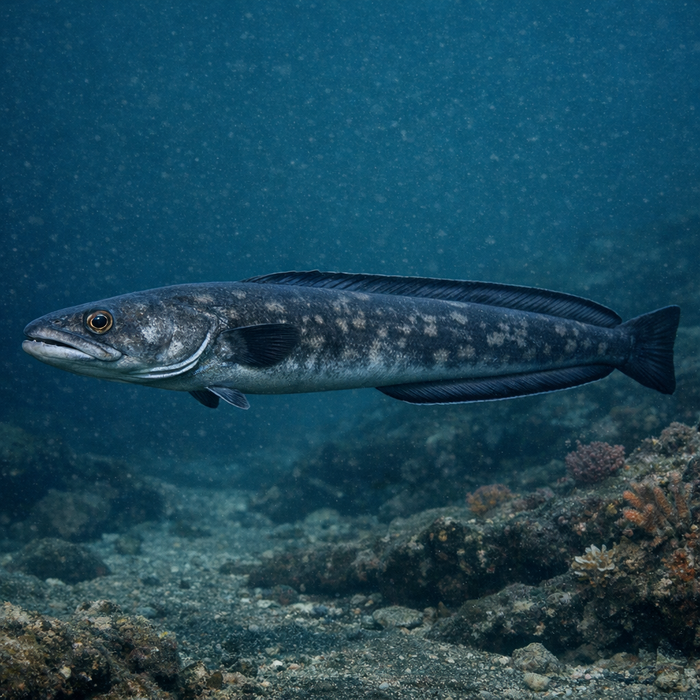
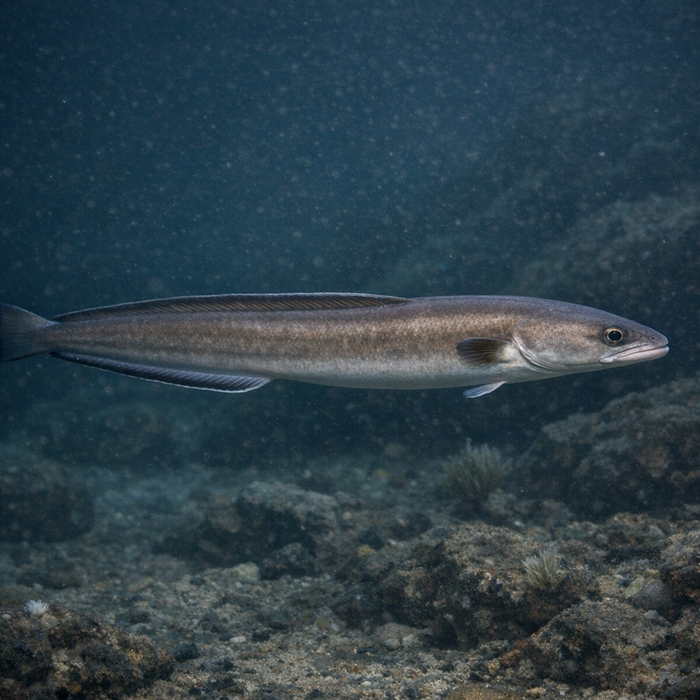
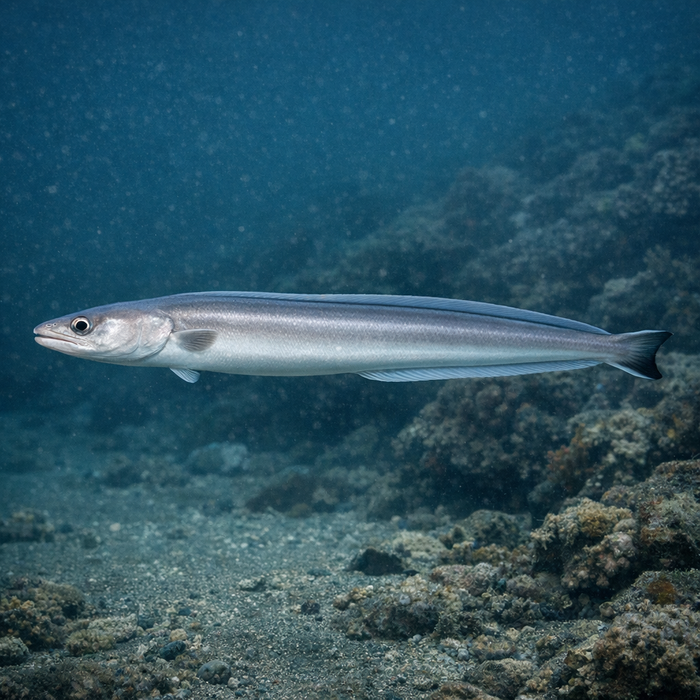
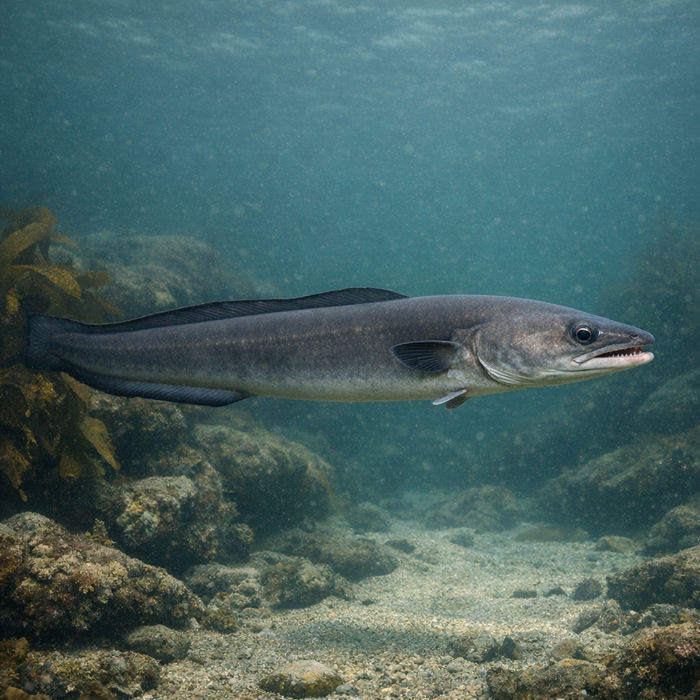
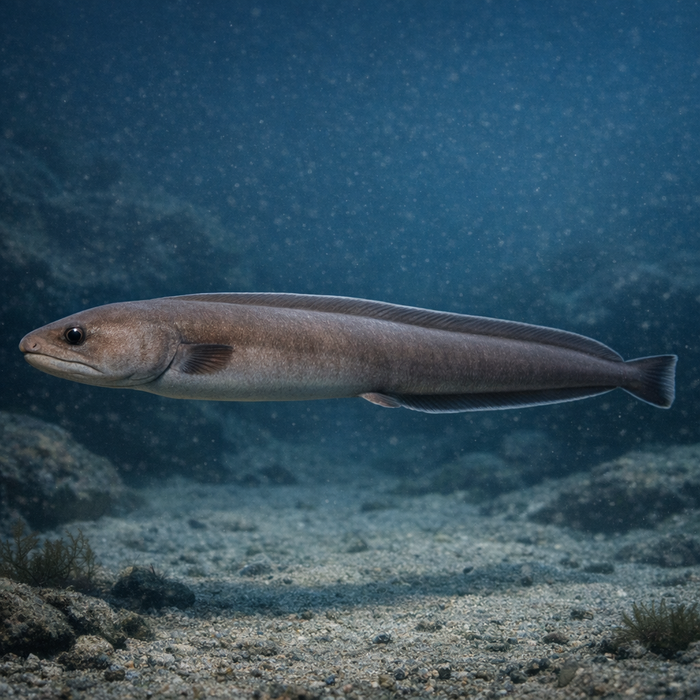
Deepwater Conger (Xenomystax atrarius): A midnight eel with a nose for steep slopesIntroductionThe deepwater conger is the quiet guest at the deep-drop party. You don't plan on it. You're soaking squid for grouper or tilefish at 900 feet, the rod just thumps, and up comes a long, smoky eel with eyes made for darkness. It's not flashy, but it's a hardcore resident of the continental slope. If you're chasing Deepwater conger facts or trying to dial in Deepwater conger habitat, you're here for the strange and the seldom-seen.What Makes the Deepwater conger Unique?Two things jump out. First, this eel is a true mud-slope prowler. The deepwater conger hugs soft bottoms on the upper to mid continental slope, using a continuous fin ribbon to drift and pivot with surgeon-level control. Second, it's a ghost of the depths. Big eyes, scaleless skin, and needle teeth all scream specialization for low light and soft-bodied prey. Xenomystax atrarius isn't built for speed bursts; it's a patient ambusher that turns faint vibrations into dinner.Habitat & Global RangeThe species works the deep edges where continental shelves give way to real water. Think steep contours, canyons, and long silt lanes far offshore. It's an Eastern Pacific character, showing up from the Southern California Bight through Baja and the Gulf of California, and down along Central and into northern South America. You won't cast to it from the pier. This is a deep-dropping target, and even then it's more cameo appearance than headliner. Where bottom meets current and detritus gathers, the deepwater conger isn't far.Behavior & TemperamentIf you could watch it without blinding floodlights, you'd see a slow, deliberate hunter. The deepwater conger rides gentle current near bottom, nosing into scent lines, crabby scrapes, and anything meaty. It's not a sprinter; it's a stalker. Hooked fish give headshakes and twisting resistance more than blistering runs. That eel twist is no joke either; they can knot themselves for leverage. They're mostly solitary, but productive slopes can hold multiple fish where food funnels. Light cycles mean little down there; current pulses and bottom flow matter more.Ecological ImportanceDeepwater conger help keep the slope honest. They're mid-level predators that convert loose protein-small fishes, cephalopods, crustaceans-into something larger predators can use. Their leptocephalus larvae drift long distances near the surface, shuttling energy between deep and shallow systems in a way anglers rarely consider. They're also part of the clean-up crew. On harsh bottoms where mistakes cost energy, anything that scavenges efficiently helps recycle the deep sea's slow-motion buffet.Conservation & Environmental PressuresThis isn't an overexposed reef snapper with a dozen stock assessments. It's a rarely targeted eel living where surveys get expensive. Translation: Data Deficient. That doesn't mean trouble; it means we don't know enough. Deep trawling and longlines inevitably interact with slope eels, and oxygen-minimum zones plus warming waters are reshaping life on the margins. The deepwater conger likely rides out a lot of change thanks to broad depth tolerance, but less habitat complexity and altered prey fields never help. Responsible handling matters even for the odd bycatch: identify it, keep what you'll use, and minimize waste.The FishyAF TakeThe deepwater conger is the definition of unglamorous cool. It's the thing that winks back from 1,000 feet like, "Congrats, you brought snacks." Not a screamer, not a trophy wall star, but a legit badge for deep-droppers who know their contours. If your crew can whisper "Xenomystax atrarius" without googling it, you're already in the club. Turn on the sounder, find that slope seam, and let squid do squid things. When the rod loads and starts that eel-sling twist, you've just met one of offshore's quietest specialists-the deepwater conger.