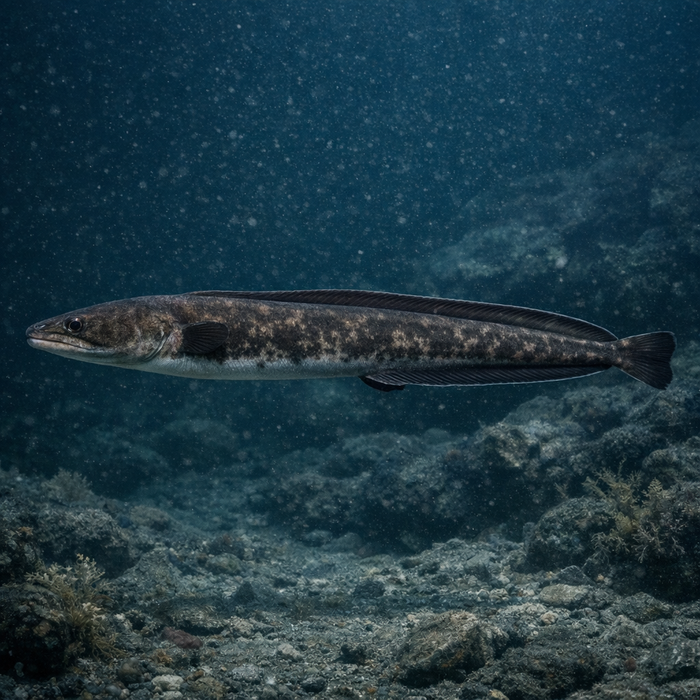
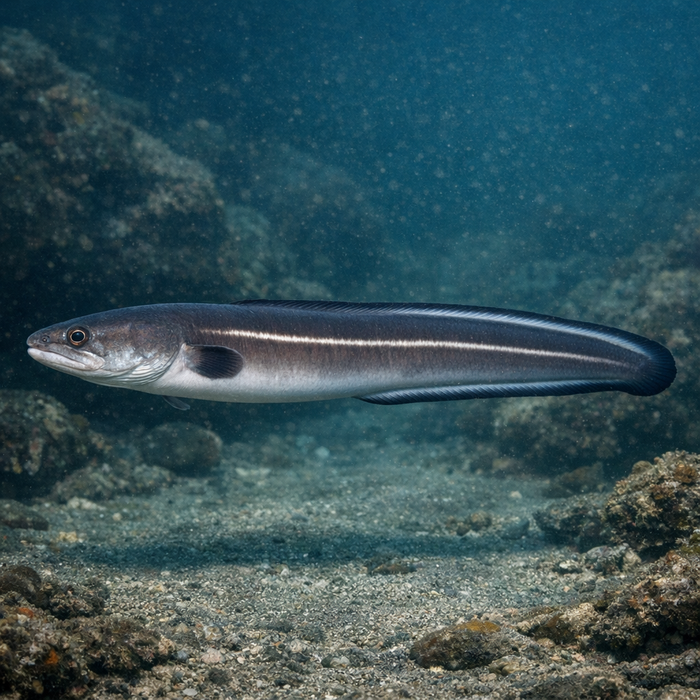
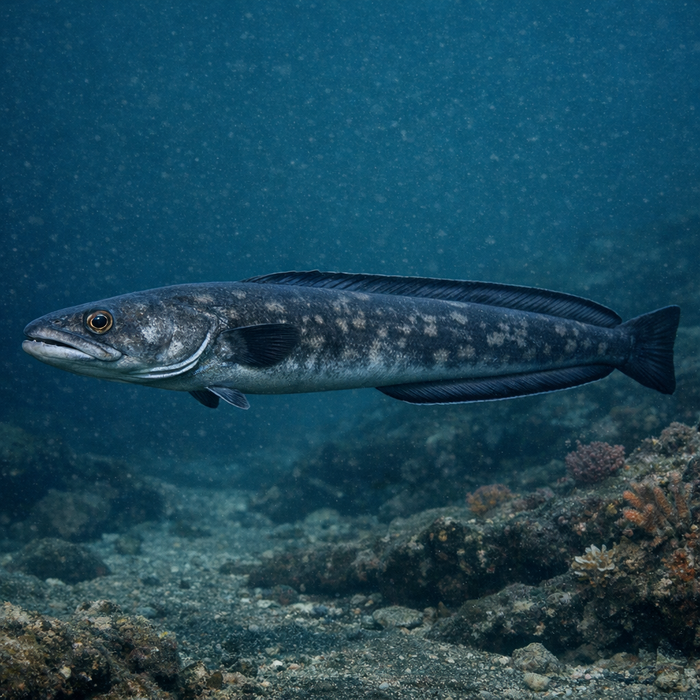
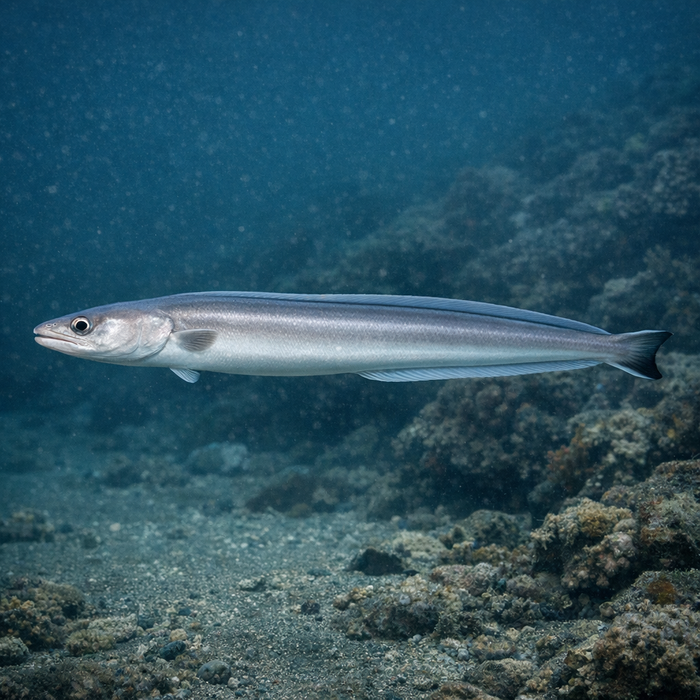
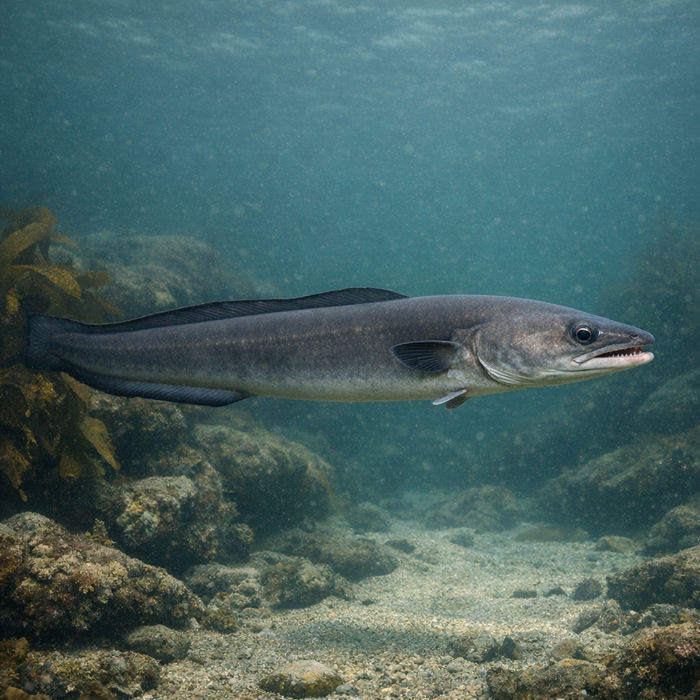
Shorthead conger (Bathycongrus macrurus): A deep-slope specialist with more tail than talk.IntroductionIf you fish the dark side of the ocean, you'll eventually meet the shorthead conger. It's not the poster child of tackle catalogs, and it won't photobomb your surface spread, but down where electronics earn their keep, this eel appears, all muscle and minimal fuss. Think burly tail, compact head, and a habit of turning mud plains into ambush country. You want real Shorthead conger facts? It's the quiet operator that shows up when baits ride the bottom like they mean it.What Makes the Shorthead conger Unique?Start with proportions. The shorthead conger packs a stumpy, streamlined snout and a long, driving tail that can be most of the fish. That tail isn't just for show; it's an anchor, a rudder, and sometimes an escape plan when the eel backs into the muck. Add in fine, needle-like teeth built to hold slick prey without over-committing, and you've got a slope predator that wastes zero motion. Unlike the big, toothy congers of shallower reefs, Bathycongrus macrurus is purpose-built for the quiet grind of deep contours.Habitat & Global RangeHere's the Shorthead conger habitat cheat sheet: deep continental slopes and outer shelf edges, typically over soft mud or sandy mud. It occurs widely across the Indo-West Pacific, from the Indian Ocean to Southeast Asia and north into Japanese bays, then south toward northern and eastern Australia. You won't spot it on flats or surf lines. It lives where chart contours stack tight, current flows steady, and daylight is a rumor. Expect it on canyon shoulders, base-of-seamount aprons, and the muddy run-outs that swallow too many sinkers.Behavior & TemperamentThe shorthead conger is a patient ambusher more than a sprinter. It hugs the substrate, works edges and faint depressions, and handles current by using that long tail like a stake. It's not skittish in the classic sight-feeding sense, but it's choosy about scent and presentation speed. Hook one and you'll feel the classic eel fight: twist, torque, and a stubborn drive to burrow into anything resembling a hole. Give it slack and it'll find leverage. Keep a steady bend and it comes up like a heavy rope with attitude.Ecological ImportanceDown-slope food webs don't run on glamor; they run on efficiency. The shorthead conger helps convert drifting detritus and midwater biomass into benthic energy, bridging the gap between pelagic rain and mudline predators. Its larvae, the glassy leptocephali, roam long distances, feeding lightly while ocean currents do the heavy lifting. That dispersal connects distant slope habitats and keeps gene flow rolling. Adults, meanwhile, are both hunters and prey for bigger slope specialists, giving back up the chain when something with a bigger mouth swings by.Conservation & Environmental PressuresBathycongrus macrurus isn't a high-profile target, so fishing pressure is lighter than on slope snappers or groupers. Still, it rides the same elevator: deep-drop hooks, longlines, and sometimes trawl bycatch. Habitat-wise, it's the mud, so bottom-disturbing gear can matter. Climate shifts tweak currents and oxygen layers, which can pinch slope zones more than casual observers realize. The species is often listed as Not Evaluated, but that's a paperwork gap, not a magic shield. Responsible handling and selective deep-drop tactics go a long way here.The FishyAF TakeThe shorthead conger won't win prom king, but it's a legit badge for deep droppers. It's proof you went where sunlight taps out and gear choices actually matter. Drop a clean bait, hold bottom without bulldozing it, and respect the creature when it rides up the rail. Add it to your species list, learn something about contour lines and current seams, then send it back or ice it for stew. Either way, the shorthead conger keeps your fishing honest and your stories just weird enough to be true.