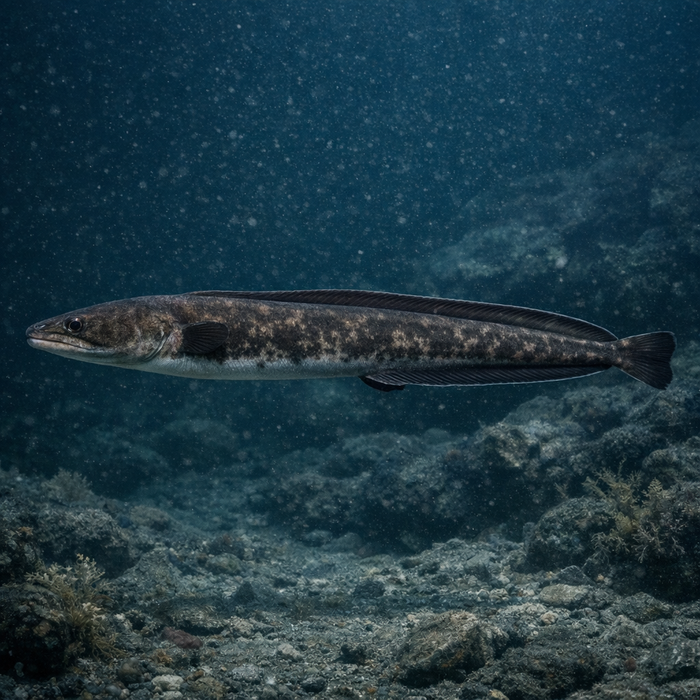
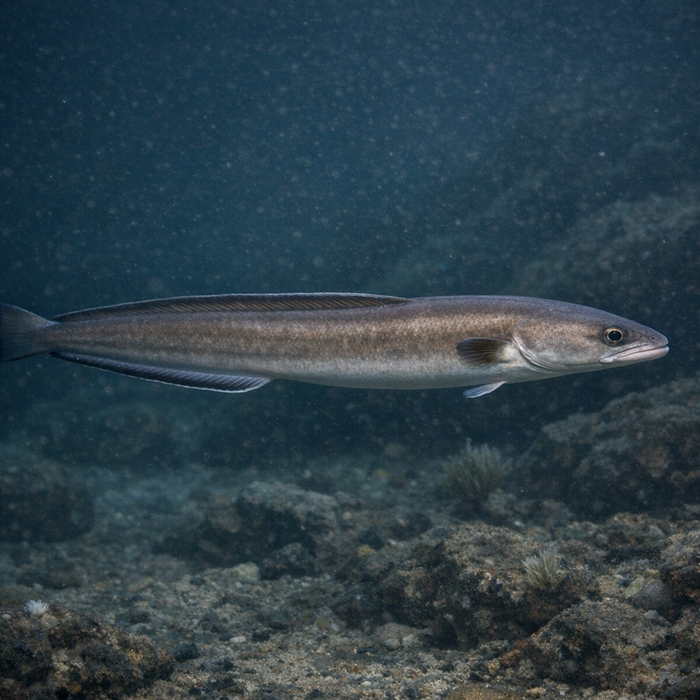
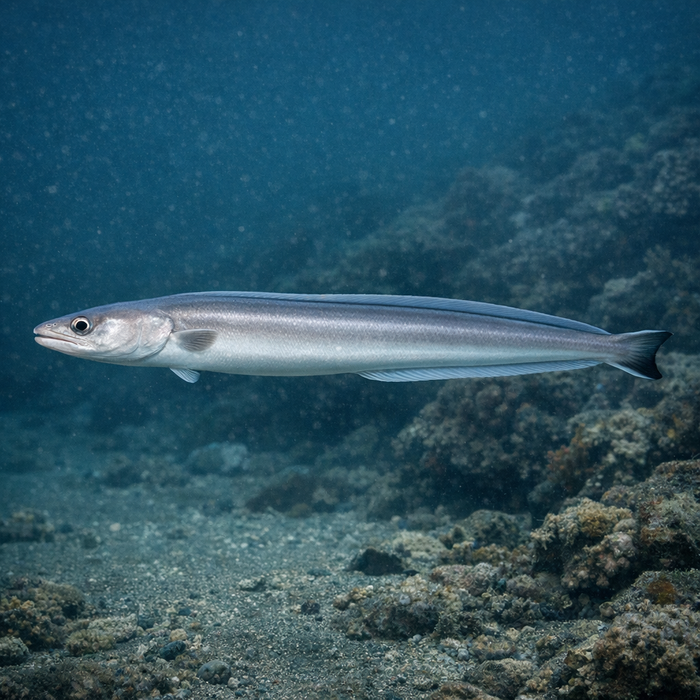
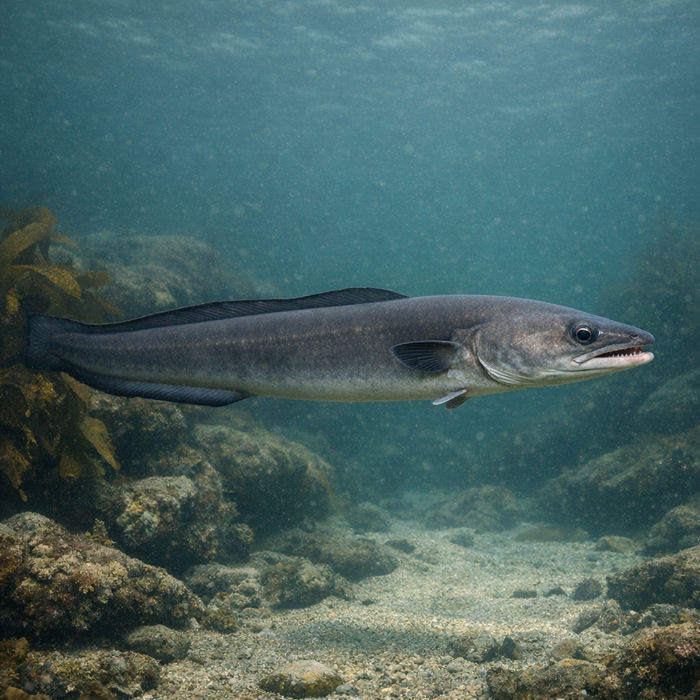
Largehead Conger (Bathycongrus varidens): A Bold, Memorable Hook LineIntroductionIf you like your fish mysterious, toothy, and living where daylight quits, the Largehead conger is your kind of eel. Bathycongrus varidens is a deep-slope specialist that shows up on the business end of deep-drop rigs when you're really hunting something else. It's not a headline sportfish, but when one thumps your bait from 300 meters down, you'll remember it. Here's the full download on Largehead conger facts, why they're unusual, and how they fit into the deepwater puzzle.What Makes the Largehead conger Unique?Start with the name: Largehead isn't marketing spin. Proportionally, this eel carries an outsized head loaded with fine, varied teeth, perfect for gripping slippery midwater wanderers that drift down-slope. Like other congers, it skips the "normal" baby fish stage and spends its early life as a glassy, ribbon-like leptocephalus larva drifting for miles before morphing into a bottom prowler. Add in a sleek, slime-coated body that can back into holes and muscle out again, and you've got a surprisingly capable predator designed for life where sunlight is more rumor than reality.Habitat & Global RangeThe Largehead conger is a creature of the Indo-Pacific deep. Think continental slope edges, canyon rims, and broken rubble at 100 to 600 meters, sometimes deeper with the right oxygen and current mix. While nearshore anglers won't bump into them, deep-droppers around Japan, Taiwan, the Philippines, Indonesia, and northern Australia see them enough to know: if there's a steep edge and bait on the sounder, a conger might be lurking. Current-swept ledges, soft mud mixed with shell hash, and wreck debris along the slope all make legit Largehead conger habitat.Behavior & TemperamentCall it patient menace. The Largehead conger holds tight to the bottom or tucks into structure, waiting for food to drift close. It's not a sprinter; it's an ambusher with a strong initial grab and a bulldog lean back to the bottom. Sight isn't the hero here. Vibration and scent rule, which explains why oily baits rack up bites and why jigs with glow or scent strips sometimes get crushed. Hook one and expect a stubborn, steady pull with short surges rather than long screaming runs.Ecological ImportanceDeep slopes are the ocean's conveyor belts, shuttling organic rain from above down to the seafloor. The Largehead conger plugs into that flow as a mid-tier predator, converting small fishes, crustaceans, and carrion into bigger bites for sharks, larger teleosts, and-occasionally-humans. Its leptocephalus phase is a distribution superpower, letting the species seed far-flung slopes. That mobility, plus flexible feeding, helps stabilize a food web that doesn't get nearly enough attention.Conservation & Environmental PressuresThere aren't red sirens blaring for Bathycongrus varidens, but "not evaluated" isn't the same as safe. Deepwater habitats get hammered by bottom trawls, lost gear, and the occasional mining proposal. Slow-growing slope communities take decades to heal. The Largehead conger rides out of sight and out of mind, which means data gaps. Smart anglers and crews can help by minimizing bycatch mortality, keeping barotrauma tools handy, and recording precise catch info when possible. Better data equals better management.The FishyAF TakeThe Largehead conger is the deep-drop plot twist: you set for snapper, the rod loads, and up comes an eel with a head built like a vice. It's not glamorous, but it is legit. If you're chasing big-ticket species, a conger encounter is proof you're working the right real estate. For the record-chaser, this species is an open goal-get the ID right, document the heck out of it, and you might etch your name into a mostly blank page. Largehead conger habitat, behavior, and attitude all say the same thing: down-slope predators don't need flash to be fascinating.