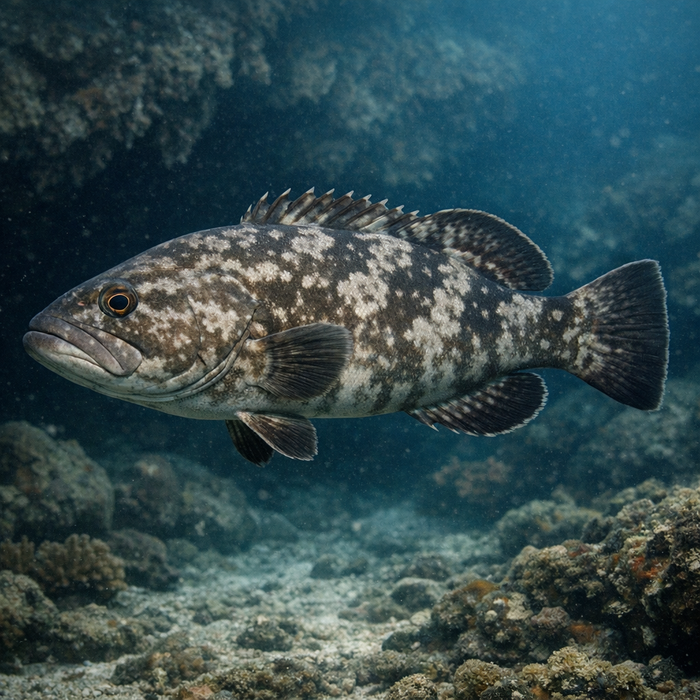
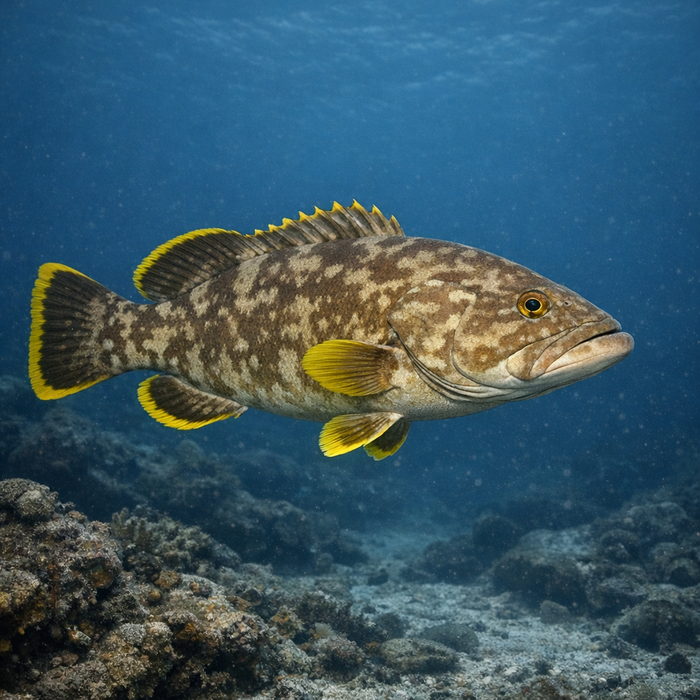
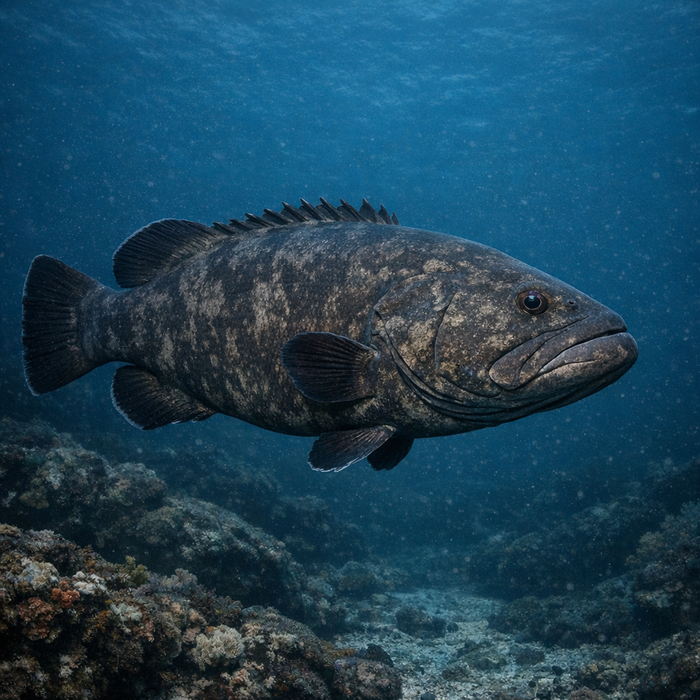
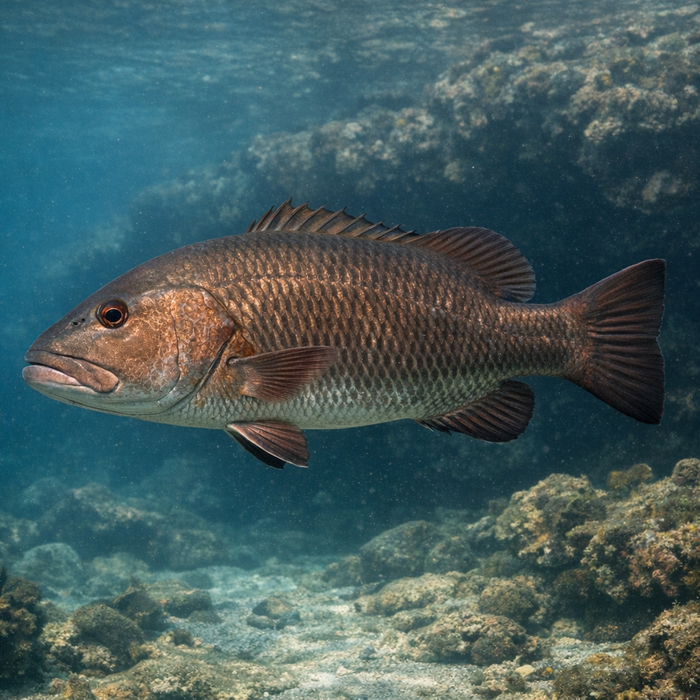
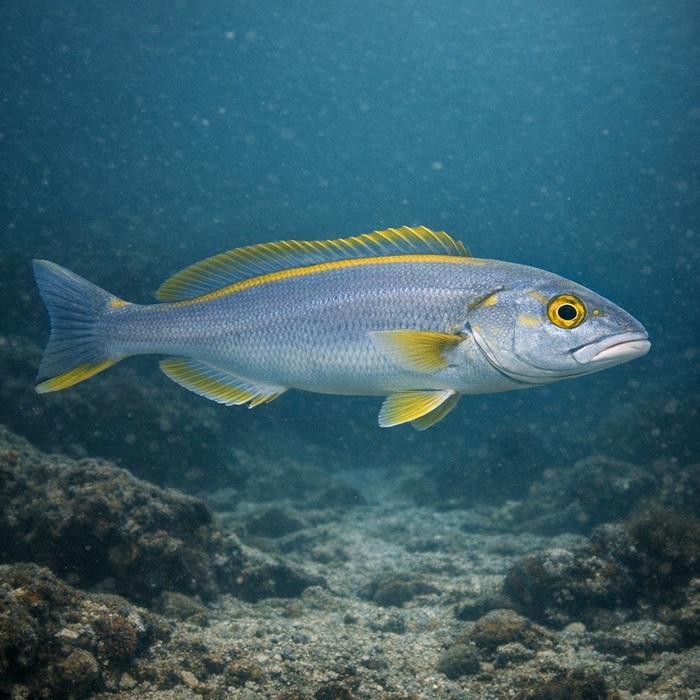
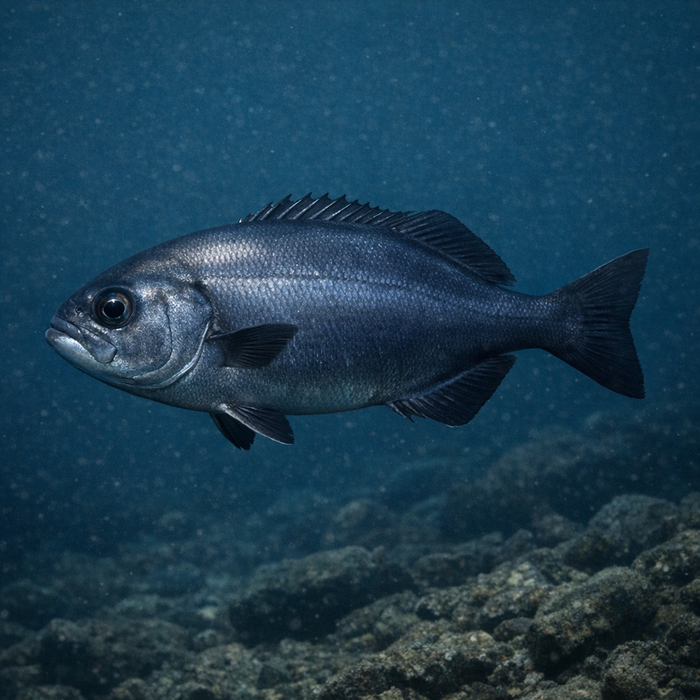
Atlantic scombrops (Scombrops oculatus): A Bold, Memorable Hook LineIntroductionThe Atlantic scombrops is what happens when a grouper and a deep-sea night-stalker swap blueprints. Big eyes, thick shoulders, and a habit of skulking along continental slope structure make it a bucket-list surprise for deep-droppers. You will not bump into one by accident on a pier. This is a dark-water specialist that shows up when the rigs are heavy, the braids are thin, and the depth sounder reads three digits.What Makes the Atlantic scombrops Unique?Two features define the Atlantic scombrops: those oversized, glossy eyes and its stubborn, slabby build. The eyes are purpose-built for twilight hunting where sunlight is basically gossip. They drink in whatever glow filters down, letting the fish ambush prey with precision. The body plan is different from sleek pelagics or delicate reef pickers; scombrops are deep-bodied bruisers that pin meals to bottom relief. Add in a tiny family tree - Scombropidae is a small, oddball clan - and you have a fish that feels more like a living deep-sea artifact than a common catch.Habitat & Global RangeTalking Atlantic scombrops habitat means talking edges: continental slope breaks, rocky buttresses, steep ledges, and wrecks parked in serious depth. Most encounters happen from the Southeast U.S. through the Gulf of Mexico and the Caribbean, with fish hugging structure in hundreds to over a thousand feet. Think clean current, dark water, and hard bottom that funnels bait. If you are digging for Atlantic scombrops facts that matter on the water, start with a chart: find sharp contours and isolated high spots near the deep. They are not coastal cruisers. They are residents of the blue-black, a long boat ride from the marina.Behavior & TemperamentThe Atlantic scombrops is not skittish; it is practical. Down there, light is scarce and competition is real. When a bait gets dropped right, the bite is decisive. They do not sprint like tunas, but they lock down and use mass plus depth to punish you. Expect a classic deep-drop tug-of-war rather than sizzling runs. They relate tightly to structure and patrol edges where current pushes groceries to ambush points. Solitary or in small loose groups is the norm, not big schools. Time of day matters far less at 900 feet than current velocity and how precisely you track the bottom.Ecological ImportanceAs a mid-to-upper demersal predator, the Atlantic scombrops stitches together deep reef food webs. It cleans up squid, small fishes, and other invertebrates that rise and fall with daily light migrations. That makes it a link between midwater and bottom life - not a headline apex predator, but an important working piece in the engine room of the slope.Conservation & Environmental PressuresData on scombrops populations is thin. Commercial interest is limited and recreational pressure is patchy, which sounds nice until you realize it also means we lack robust stock assessments. Deep habitats are not immune to trouble: lost gear, heavy anchoring, and deep trawl scars can mess up slow-growing communities. And while the Atlantic scombrops is not a poster child for overfishing, the usual suspects - warming waters, shifting currents, and oxygen changes - can reshape that slope real estate. Smart handling matters because barotrauma is a given when you lift a fish from the black to the sun.The FishyAF TakeThe Atlantic scombrops is the deep-drop plot twist you brag about for years. It is not flashy, it is not famous, but it is the kind of fish that proves you did the hard thing: ran long, found the edge, read the current, and hit the bottom clean. If you want search-friendly nuggets, sure: "Atlantic scombrops facts" and "Atlantic scombrops habitat" both boil down to this - big eyes, deep edges, heavy gear, happy angler. Catch one and you will understand why the best part of offshore fishing often happens far below the screen on your sounder.