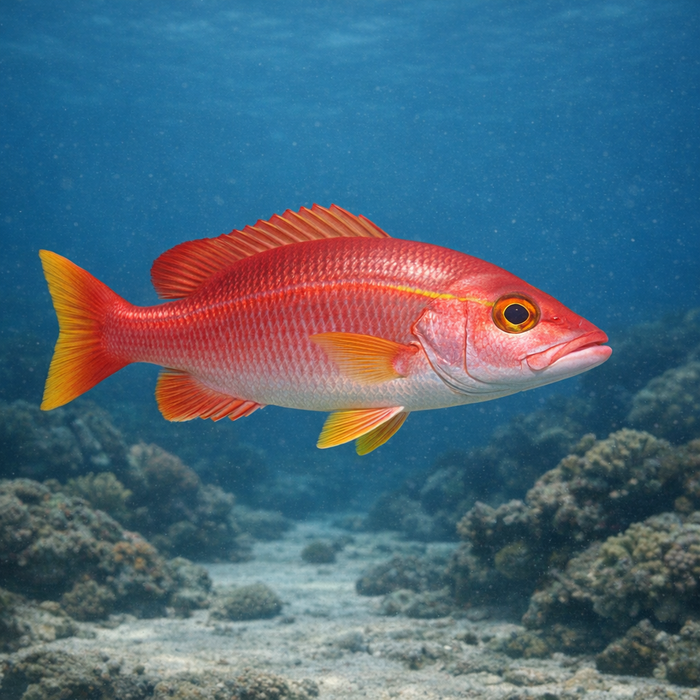
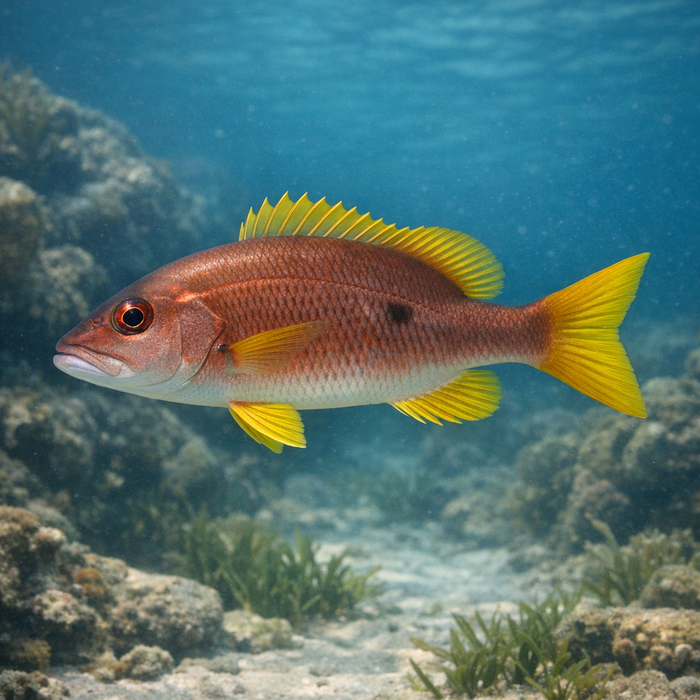
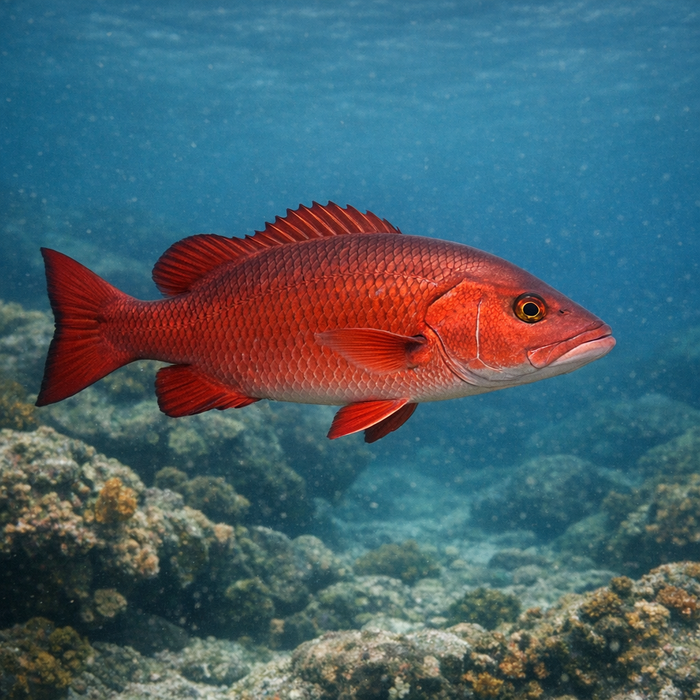
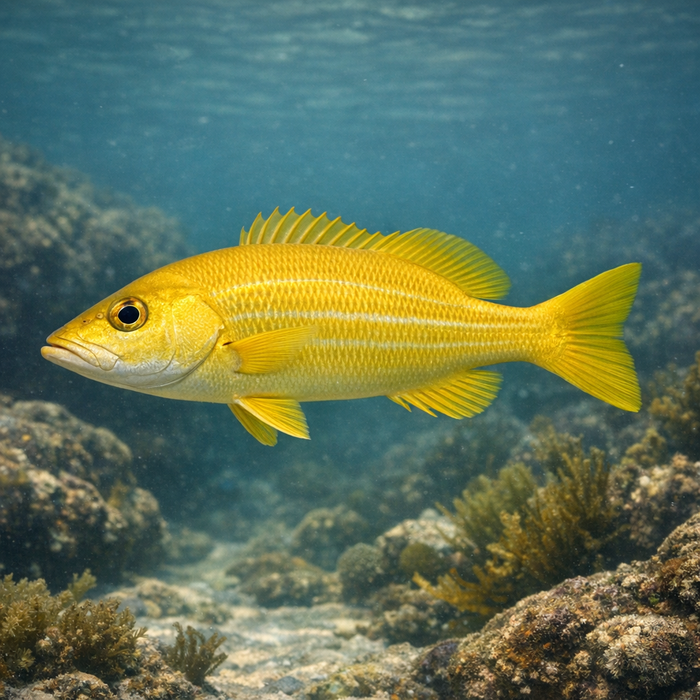
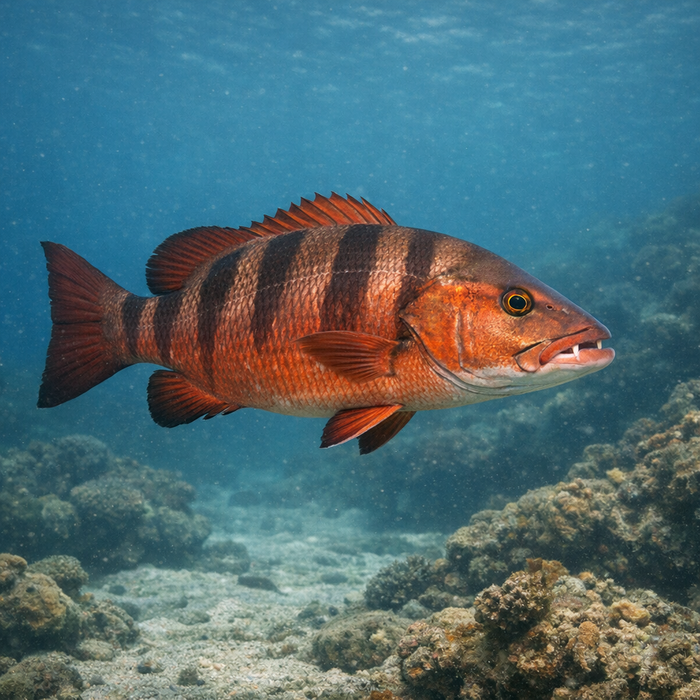
Cubera snapper (Lutjanus cyanopterus): A Bold, Memorable Hook LineIntroductionThe cubera snapper is the bruiser you rig heavy for and still wonder if you brought enough. It's the largest Atlantic snapper, a copper-slate tank with doglike fangs and a habit of evaporating anglers into the wreck. Hook one and you'll learn fast: cubera snapper don't nibble, they mug.What Makes the Cubera snapper Unique?Start with size. Cubera snapper are the heavyweight champs of their clan, with fish over 100 pounds documented and a world record that's frankly ridiculous. They carry big canine teeth that stick out even when the mouth is closed, flanked by crushing pharyngeal molars built to crack stone crabs and small lobsters. Add the attitude: they're structure-locked bruisers that explode into wrecks and ledges the second you stick a hook. Among snapper, the cubera is the powerlifter.Habitat & Global RangeWhen folks ask about Cubera snapper habitat, think Western Atlantic hotspots: Florida Keys, Dry Tortugas, Gulf platforms, Caribbean reefs, and ledges from the Bahamas to northern South America. Adults like real relief-reef walls, oil rigs, limestone ledges, and iron-laced wrecks-typically from 60 to 250 feet, with deeper haunts in clear water. At night, especially around summer moons, they'll creep closer to passes, bridges, and inlet rockpiles. Juveniles use mangroves and brackish estuaries before graduating offshore. If you're building a mental map from Cubera snapper facts, draw one word in bold: structure.Behavior & TemperamentCubera snapper are crepuscular bruisers with a mean first gear. They don't chase far; they wait, pin, and turn for cover. Spawning drives seasonal aggregations during summer moons when adults stack along reef edges by the hundreds. Outside those windows, fish tend to run in small groups or solo, hugging hard bottom. They can color-shift from copper to slate in a blink, their eyes gleaming bronze in low light. The bite is often a deliberate thump followed by pure violence. Let them turn you and you'll meet the wreck.Ecological ImportanceAs apex-leaning predators on reefs, big cubera regulate crustaceans and mid-tier fishes, tilting the balance on complex structures. Their preference for armored prey means energy transfers differently than with purely piscivorous hunters. Juveniles in mangroves connect inshore nurseries to offshore reefs. Lose the old, heavy fish, and you lose a stabilizing top-end presence that shapes who thrives below them.Conservation & Environmental PressuresCubera snapper face classic reef dilemmas: targeted harvest of big spawners, aggregation pressure at predictable sites, habitat loss in mangroves, and the slow grind of reef degradation. They're relatively slow-growing compared to smaller snappers and can live decades, so overharvest bites hard. Regulations vary by region and often shift, with increasing emphasis on protecting spawning peaks and encouraging release of true giants. In some tropical areas, ciguatera risk in older fish adds a human-health reason to let the monsters go.The FishyAF TakeThe cubera snapper is the reef's bouncer-thick-shouldered, suspicious, and ready to slam the door. Respect the fish with heavy leader, flawless knots, and a plan for the first five seconds. If you want dinner, aim for respectable, not record-book. If you want a story, aim for a moonlit wreck, a live lobster, and the meanest drag your reel can muster. That's the cubera deal: brief window, brutal fight, unforgettable payoff. And yeah, bring extra hooks.