Mutton Snapper (Lutjanus analis): The Caribbean’s Flashy Predator with a Taste for Adventure
Introduction
The Mutton Snapper is not your average reef dweller. With a striking blend of colors and a reputation for being both a prized catch and a vital ecosystem player, Lutjanus analis commands respect in the fishing and marine biology worlds alike. Known for its bold stripes and vibrant hues, this snapper stands out in the crowded underwater marketplace. Whether you’re a seasoned angler or a curious ocean enthusiast, understanding the Mutton Snapper’s biology, behavior, and role in its environment is essential. Let’s dive into the facts that make this species a standout.
What Makes the Mutton Snapper Unique?
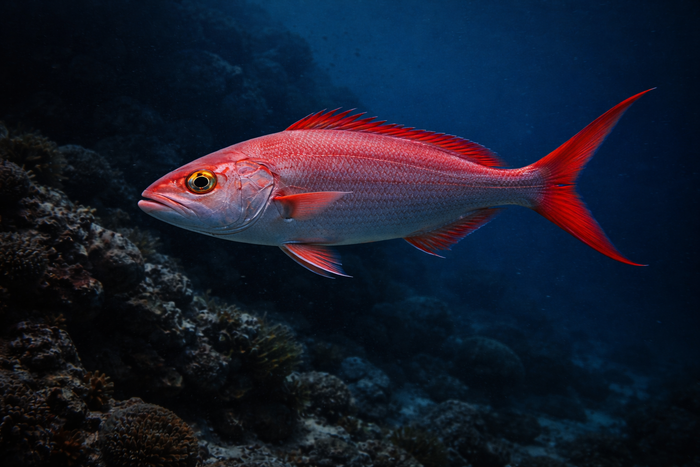
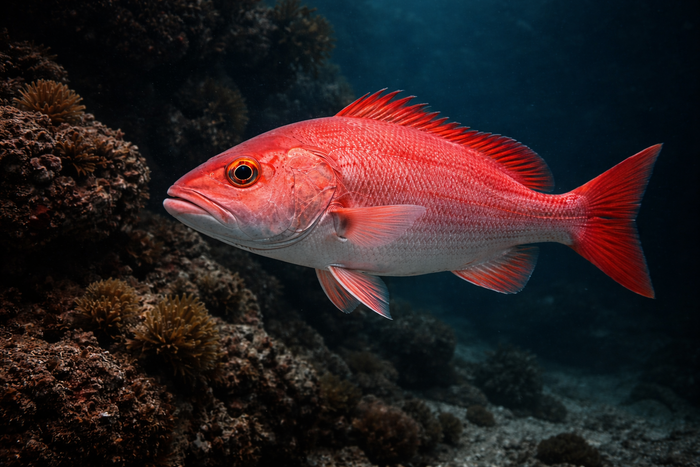
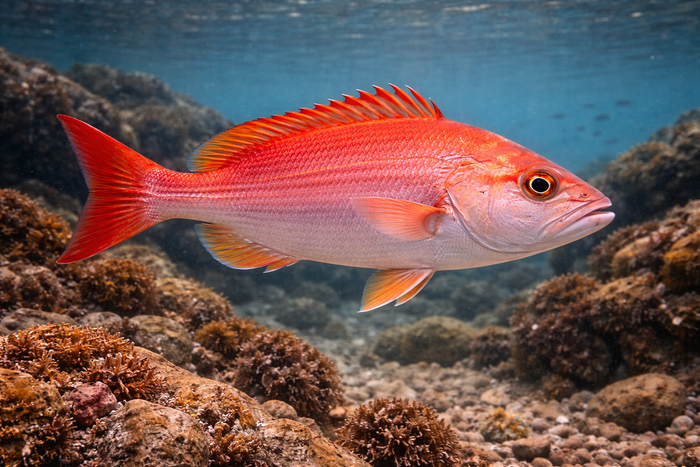
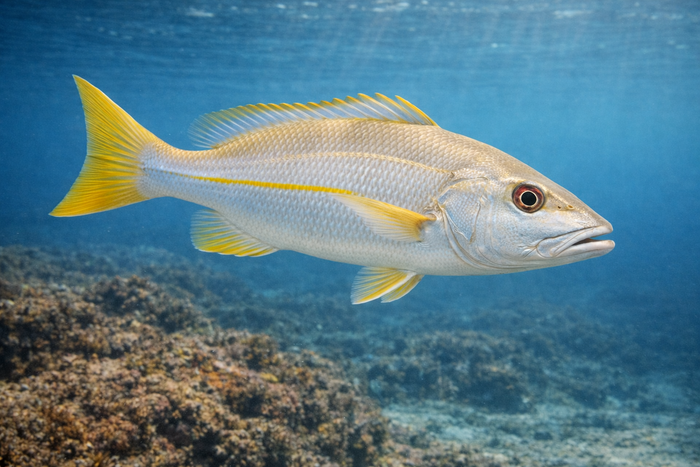
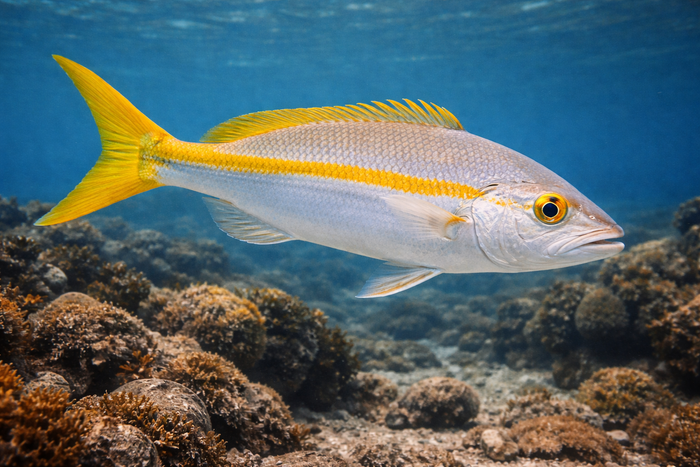
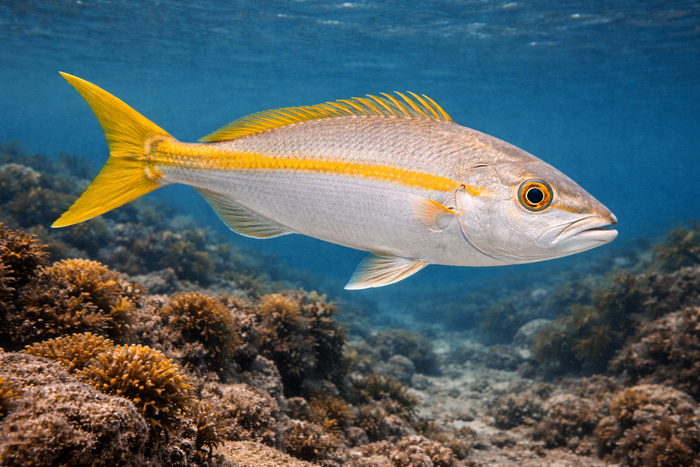
Forget the mundane. The Mutton Snapper boasts a distinctive olive-green to reddish body, marked by a prominent black spot on its side near the dorsal fin. This spot isn’t just decoration—it’s a signature identifier that sets Lutjanus analis apart from its snapper cousins. Juveniles show off even more flamboyant patterns, with vertical bars that fade as they mature.
Beyond looks, the Mutton Snapper is a master of adaptation. It transitions from coastal mangroves and seagrass beds as a juvenile to deeper reefs and rocky bottoms as an adult. This ontogenetic shift isn’t just a migration; it’s a survival strategy that maximizes feeding opportunities and minimizes predation risk.
Its diet is another point of interest. Mutton Snappers are opportunistic carnivores, feasting on smaller fish, crustaceans, and cephalopods. Their sharp teeth and powerful jaws make quick work of prey, reinforcing their role as mid-level predators.
Habitat & Global Range
The Mutton Snapper’s habitat is a study in contrasts. Found primarily throughout the western Atlantic—from the southeastern United States down through the Caribbean and into parts of South America—this species thrives in warm, tropical waters. Its preferred hangouts include coral reefs, rocky ledges, and offshore banks, typically at depths ranging from 10 to 90 meters.
Juveniles are more coastal, often sheltering in mangroves and seagrass beds, which provide both food and protection. As they grow, they migrate offshore to reef structures where they can exploit a wider range of prey and avoid coastal predators.
This species’ range is tightly linked to water temperature and habitat availability, making it sensitive to environmental changes. The Mutton Snapper habitat is a patchwork of ecosystems, each critical for different life stages, underscoring the importance of habitat connectivity for population health.
Behavior & Temperament
Mutton Snappers are not shy. They exhibit bold, sometimes aggressive behavior, especially during feeding frenzies or spawning aggregations. These fish are mostly solitary or found in small groups but can form large schools when the occasion demands, particularly during reproduction.
Their feeding strategy is a mix of ambush and active pursuit. They use their keen eyesight to spot prey and then strike with precision. This makes them formidable hunters on the reef, capable of adapting their tactics based on prey availability.
During spawning, Mutton Snappers gather in predictable locations and times, often forming dense aggregations. This behavior is a double-edged sword—it boosts reproductive success but also makes them vulnerable to overfishing.
Ecological Importance
The Mutton Snapper is a linchpin species in its ecosystem. As a mid-level predator, it helps regulate populations of smaller fish and invertebrates, maintaining the delicate balance of reef communities. By controlling prey species, it indirectly supports coral health by preventing overgrazing of algae-eating fish.
Its role extends beyond predation. Juvenile Mutton Snappers contribute to the health of mangrove and seagrass ecosystems by participating in nutrient cycling and serving as prey for larger predators. This connectivity between habitats highlights the species’ integral part in coastal and offshore food webs.
Moreover, the Mutton Snapper’s presence is an indicator of reef health. Declines in their numbers often signal broader environmental issues like habitat degradation or overfishing, making them a valuable species for monitoring marine ecosystem integrity.
Conservation & Environmental Pressures
Despite its resilience, the Mutton Snapper faces significant challenges. Overfishing is the most pressing threat, driven by its popularity among commercial and recreational fishers. Spawning aggregations are particularly vulnerable, as fishers target these predictable gatherings, leading to rapid population declines.
Habitat loss and degradation compound the problem. Coastal development, pollution, and climate change threaten mangroves, seagrass beds, and coral reefs—the essential habitats for different life stages of the Mutton Snapper. Ocean warming and acidification further stress these environments, potentially disrupting breeding cycles and food availability.
Conservation efforts are underway but require more robust enforcement and habitat protection. Marine protected areas that safeguard spawning sites and juvenile habitats show promise. Sustainable fishing regulations, including size and catch limits, are critical to prevent overexploitation.
The FishyAF Take
The Mutton Snapper is a species that demands attention—not just for its flashy appearance or tasty reputation but for its ecological significance and the cautionary tale it tells about marine resource management. This fish is a perfect example of how interconnected life stages and habitats are, and how human actions ripple through these networks.
If you’re after Mutton Snapper facts, remember this: they are adaptable, bold, and crucial players in their ecosystems. But they are not invincible. Their survival hinges on responsible fishing practices and habitat conservation. Ignoring these facts risks turning a once-abundant predator into a rare sight.
In short, the Mutton Snapper isn’t just another reef fish. It’s a barometer for the health of tropical marine ecosystems and a reminder that boldness in nature comes with vulnerability. Respect the snapper, protect its habitat, and you’ll keep this vibrant species thriving for generations to come.