Red Snapper (Lutjanus campechanus): The Gulf’s Fiery Predator You Can’t Ignore
The Red Snapper is one of the most iconic game fish in the western Atlantic, especially prized by anglers and chefs alike. Known for its striking red color and firm, flavorful flesh, this species commands respect both on the line and on the plate. But there’s more to the Red Snapper than just a pretty face and a good fight. It’s a complex predator with a key role in its ecosystem, and understanding it means appreciating the delicate balance of the Gulf of Mexico and surrounding waters.
What Makes the Red Snapper Unique?
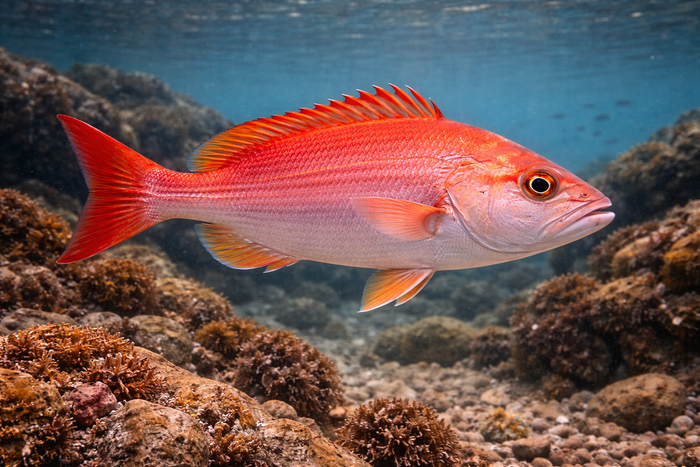
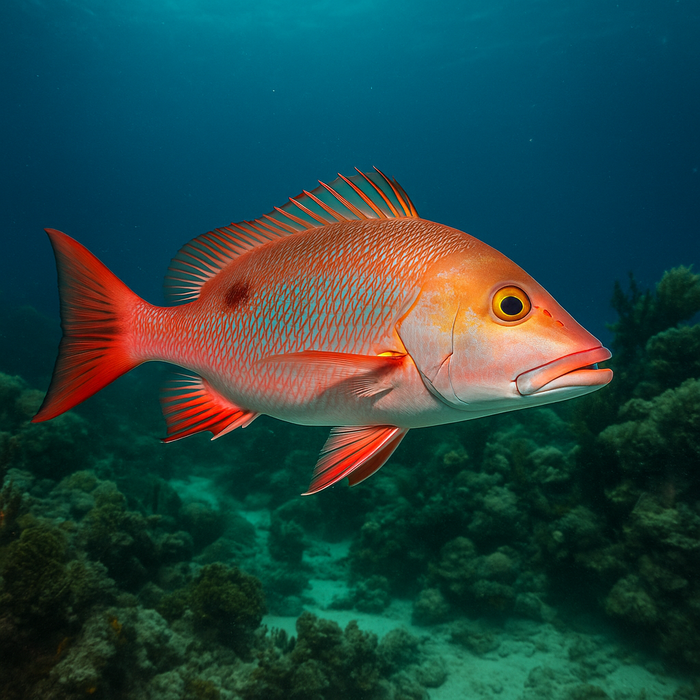
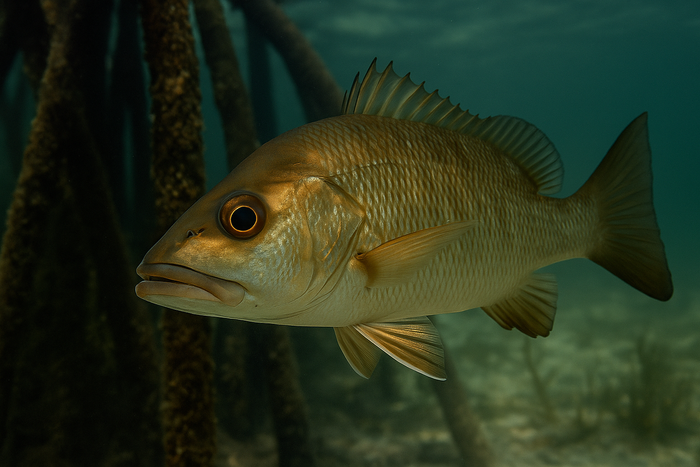
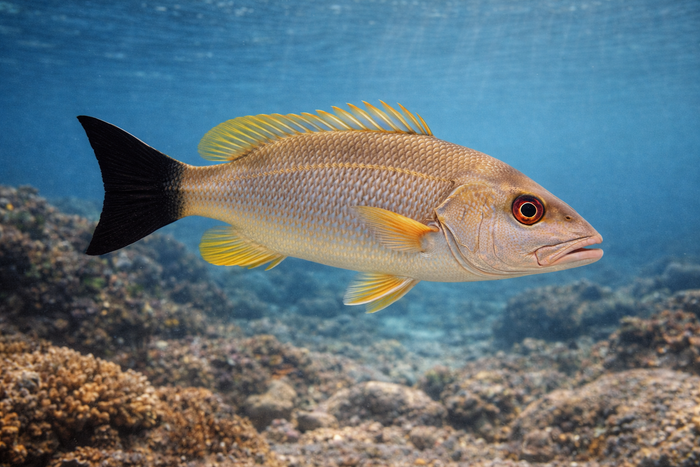
Red Snapper stands out with its vibrant reddish-pink body and a slightly pointed snout that gives it a distinctive profile. Unlike many reef fish, it can grow quite large and live for decades, making it a long-term player in its environment. Its longevity and slow growth rate mean it doesn’t bounce back quickly from overfishing, a fact that has made it a conservation concern.
This species is a versatile predator, feeding on smaller fish, crustaceans, and cephalopods. Its sharp teeth and powerful jaws allow it to crush prey with ease. Red Snapper’s adaptability to different prey and habitats is a big reason it thrives across a range of environments, from rocky ledges to artificial reefs.
Habitat & Global Range
Red Snapper habitat centers on the warm waters of the Gulf of Mexico, the southeastern United States, and parts of the western Atlantic Ocean. They prefer structured environments—natural reefs, oil rigs, shipwrecks, and rocky outcrops—where they can ambush prey and find shelter. Depth-wise, they’re usually found between 30 and 200 feet but can venture deeper.
Juveniles hang out in shallower waters, often near estuaries and mangroves, which serve as nurseries. Adults migrate offshore to deeper reefs, showing a clear ontogenetic shift in habitat preference. This movement is critical for their life cycle and has implications for fisheries management.
Behavior & Temperament
Red Snapper are opportunistic predators with a reputation for being aggressive feeders. They hunt mostly during the day, using stealth and bursts of speed to catch prey. Their schooling behavior varies with age and size; younger fish often form large groups for protection, while adults tend to be more solitary or found in smaller aggregations.
They’re territorial around prime reef spots, especially during spawning season when males become more aggressive. This territoriality can make them challenging targets for anglers, as they’re wary and quick to bolt when threatened.
Ecological Importance
Red Snapper play a pivotal role in maintaining the health of reef ecosystems. As mid-level predators, they help regulate populations of smaller fish and invertebrates, preventing any one species from dominating and disrupting the balance. Their feeding habits can influence the structure of reef communities, indirectly supporting biodiversity.
Moreover, they serve as prey for larger predators like sharks and groupers, linking different trophic levels. The species’ presence is a good indicator of reef health, making it a valuable species for monitoring ecosystem changes.
Conservation & Environmental Pressures
Red Snapper populations have faced significant pressure from overfishing due to their popularity and commercial value. Their slow growth and late maturity mean that heavy fishing can quickly deplete stocks. In response, regulatory measures like catch limits, size restrictions, and seasonal closures have been implemented to allow populations to recover.
Habitat degradation also threatens Red Snapper. Coastal development, pollution, and damage to reef structures reduce available habitat, especially for juveniles. Climate change adds another layer of complexity, potentially altering water temperatures and affecting spawning success.
Despite these challenges, ongoing management efforts and habitat restoration projects show promise. However, the species remains vulnerable, and sustainable fishing practices are essential to ensure Red Snapper continue to thrive.
The FishyAF Take
Red Snapper is no ordinary reef fish. It’s a bold, resilient predator with a vital role in its ecosystem and a complicated relationship with humans. If you’re chasing Red Snapper, you’re not just after a tasty meal—you’re engaging with a species that demands respect and careful stewardship.
Understanding Red Snapper facts and Red Snapper habitat is crucial for anyone serious about fishing or marine conservation in the Gulf and beyond. This fish teaches us that the ocean’s bounty isn’t infinite and that smart management is the only way to keep these fiery fighters on the line for generations to come.