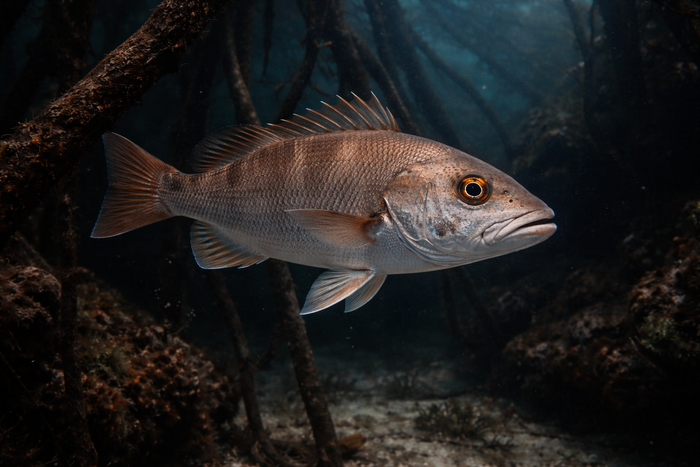
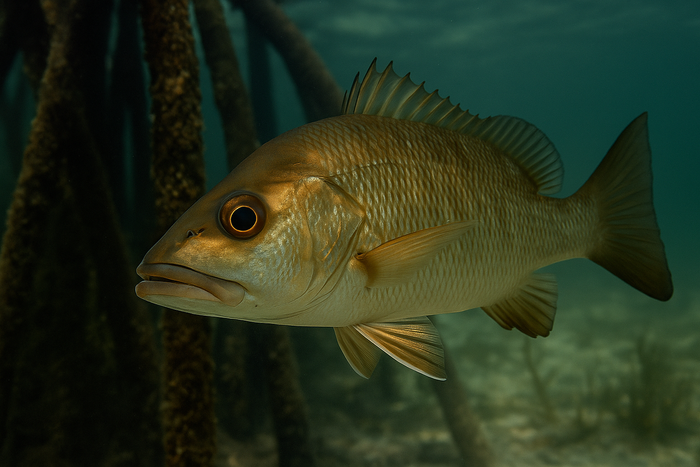
To'au (Blacktail Snapper) (Lutjanus fulvus): The Reef’s Bold, Black-Tailed Enforcer
The To'au, known in the angling world as the Blacktail Snapper, is a standout species in tropical marine ecosystems. With its striking black tail and robust body, this snapper commands attention both underwater and on the line. It’s a fish that combines beauty, resilience, and a bit of attitude, making it a favorite among fishermen and marine enthusiasts alike. Understanding To'au (Blacktail Snapper) facts is essential for appreciating its role in reef environments and the challenges it faces.
What Makes the To'au (Blacktail Snapper) Unique?
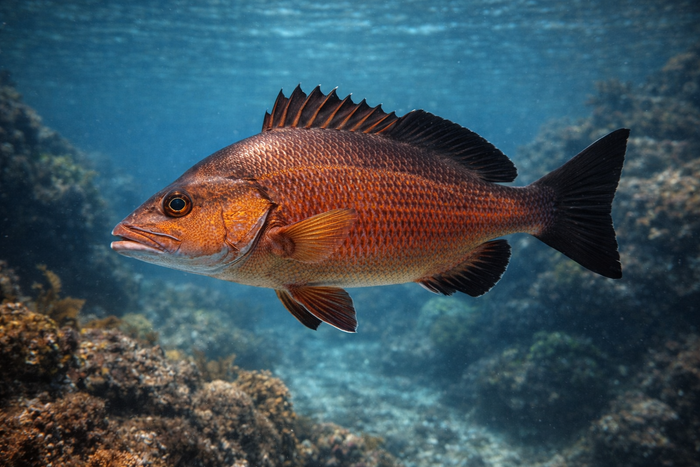
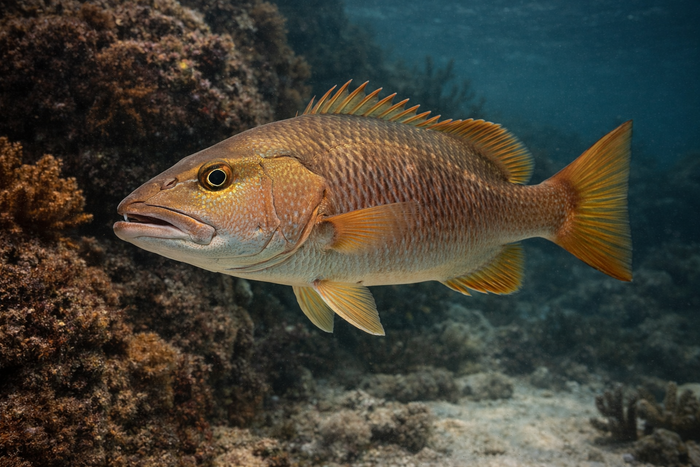
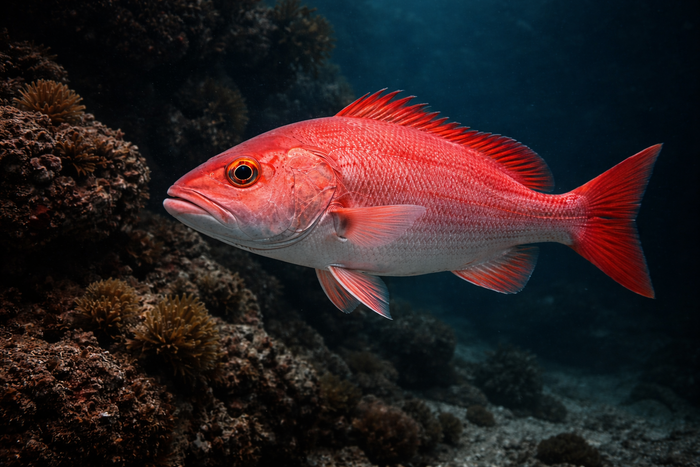
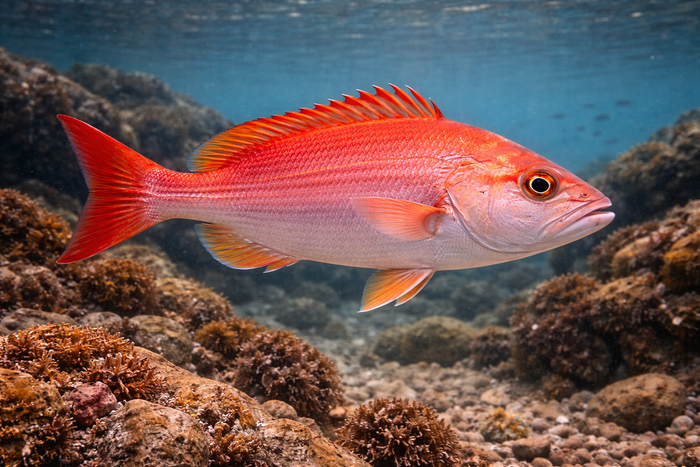
The To'au’s defining feature is its deep, laterally compressed body with a vivid black tail fin that contrasts sharply against its yellowish-brown to reddish body. This coloration isn’t just for show—it’s a visual cue that sets it apart from other snapper species. Unlike many snappers that prefer open waters, the To'au is a reef specialist, often found patrolling coral and rocky reefs with a confident, almost territorial demeanor.
Its teeth are sharp and designed for a carnivorous diet, making it an effective predator of smaller fish, crustaceans, and cephalopods. The To'au’s ability to adapt its feeding habits depending on prey availability is a testament to its evolutionary success. It’s not just a pretty face; it’s a versatile hunter.
Habitat & Global Range
The To'au (Blacktail Snapper) habitat is primarily tropical and subtropical waters of the Indo-Pacific region. You’ll find it from the eastern coast of Africa, across the Indian Ocean, through the Pacific islands, and up to southern Japan. This species thrives in coral reef environments, often inhabiting depths ranging from shallow lagoons to about 60 meters.
Reefs provide the perfect mix of shelter and hunting grounds. The complex structures offer hiding spots for juveniles and ambush points for adults. The To'au’s preference for reef habitats makes it a crucial component of these ecosystems, linking the health of coral systems directly to its population dynamics.
Behavior & Temperament
The To'au is no wallflower. It exhibits a bold and somewhat aggressive temperament, especially when defending its territory or during feeding. These snappers often form small schools, but adults can be solitary hunters. Their behavior shifts with age and environment, showing remarkable flexibility.
They are diurnal feeders, actively hunting during daylight hours. Their sharp eyesight and quick reflexes make them formidable predators. When hooked, the To'au is known for putting up a spirited fight, making it a prized catch for anglers who appreciate a challenge.
Ecological Importance
In the reef ecosystem, the To'au plays a dual role as both predator and prey. By controlling populations of smaller fish and invertebrates, it helps maintain a balanced food web. This predation pressure prevents any one species from overwhelming the reef, promoting biodiversity.
Moreover, as prey for larger predators, the To'au contributes to the energy flow within the marine food chain. Its presence is a sign of a healthy reef system. The species also supports local fisheries, providing food and economic benefits to coastal communities.
Conservation & Environmental Pressures
Despite its resilience, the To'au faces significant threats. Overfishing is a major concern, especially in regions where reef fish are a primary protein source. The species’ slow growth and late maturity make it vulnerable to population declines if fishing pressure is not managed.
Habitat degradation poses another critical threat. Coral reefs are under siege from climate change, ocean acidification, and pollution. The loss of reef structure directly impacts the To'au’s habitat, reducing shelter and hunting grounds.
Effective conservation requires a combination of sustainable fishing practices, marine protected areas, and reef restoration efforts. Monitoring To'au populations can serve as an indicator of reef health and the effectiveness of conservation strategies.
The FishyAF Take
The To'au (Blacktail Snapper) is more than just a reef dweller with a flashy tail. It’s a key player in the delicate balance of coral ecosystems and a testament to the complexity of marine life. Anglers and conservationists alike should pay attention to this species—not just for its fighting spirit on the line but for what it represents beneath the waves.
Understanding To'au (Blacktail Snapper) facts and habitat is crucial for anyone serious about reef ecology or sustainable fishing. Protecting this species means protecting the reefs themselves, which are among the most diverse and vulnerable ecosystems on the planet. The To'au demands respect, both as a catch and as a cornerstone of reef life.