Gray Snapper (Lutjanus griseus): The Coastal Predator That Commands Respect
The Gray Snapper is no wallflower in the underwater world. Known scientifically as Lutjanus griseus, this fish packs a punch in both presence and performance. It’s a staple for anglers and a key player in coastal ecosystems. If you’re diving into Gray Snapper facts, prepare for a species that’s as tough as it is fascinating.
What Makes the Gray Snapper Unique?
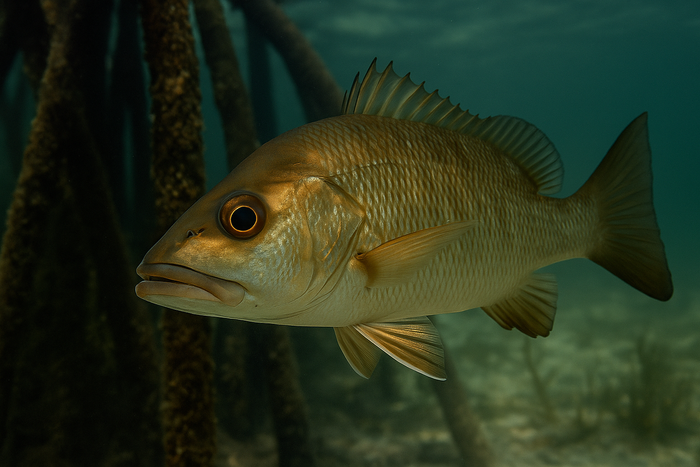
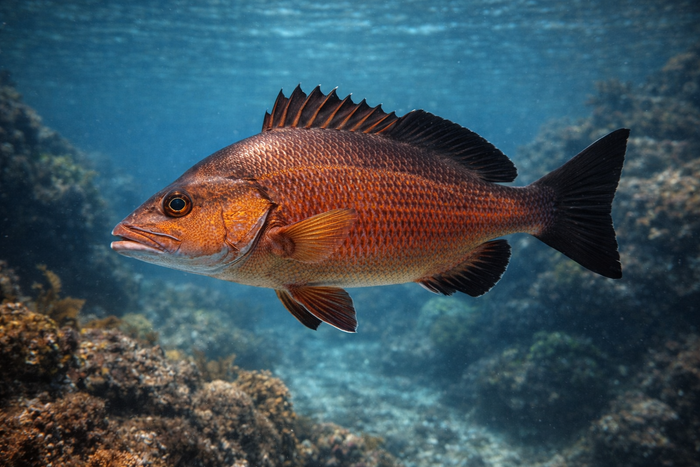
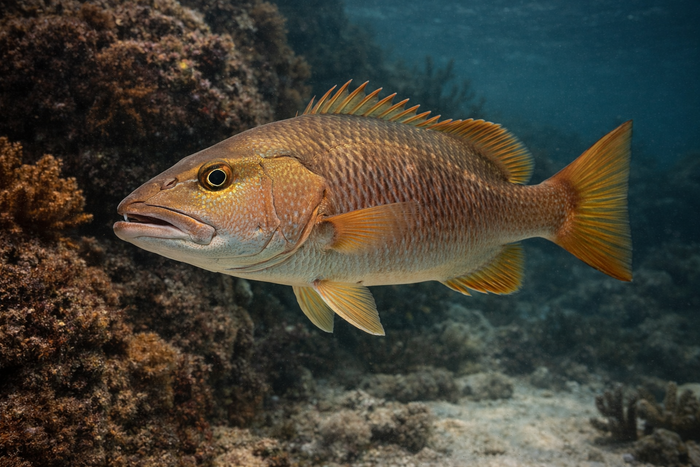
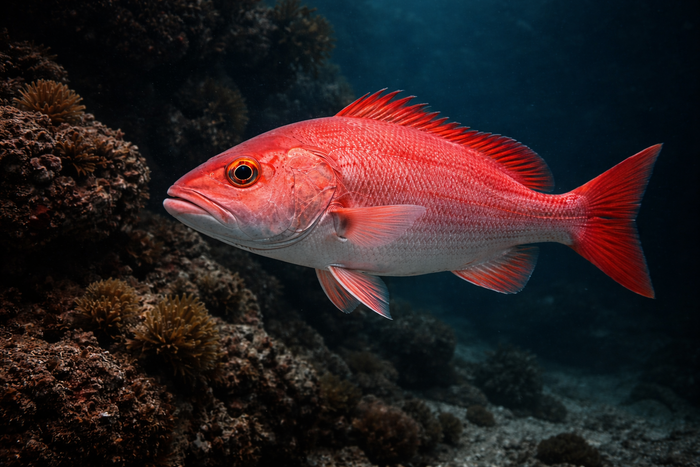
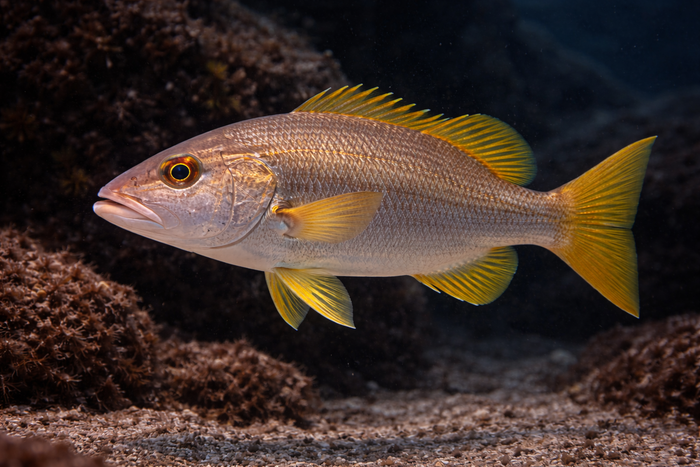
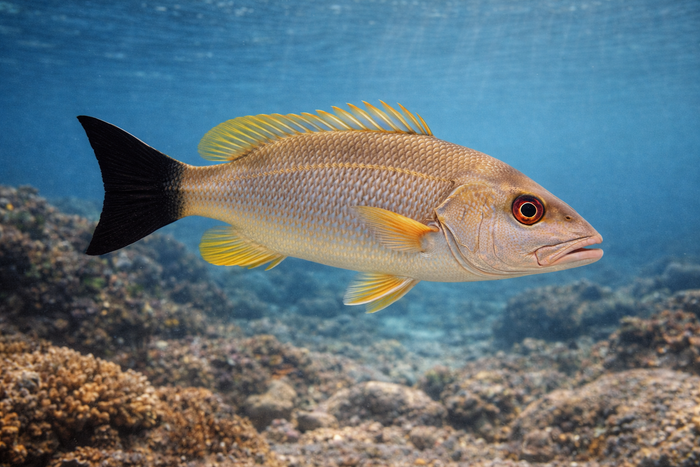
Gray Snapper stands out with its robust body and a face that looks like it means business. Its coloration—a mix of silvery gray with subtle reddish hues—helps it blend into a variety of environments, from murky estuaries to clear reefs. Unlike many fish that stick to one habitat, Gray Snapper is a master of versatility. It also boasts a mouth full of sharp teeth, perfect for a carnivorous diet that includes smaller fish, crustaceans, and cephalopods.
One of the most intriguing Gray Snapper facts is its ability to change habitats as it grows. Juveniles prefer shallow, protected waters like mangroves and seagrass beds, while adults move to deeper reefs and rocky bottoms. This ontogenetic shift isn’t just a migration; it’s a survival strategy that reduces competition and predation risk.
Habitat & Global Range
Gray Snapper habitat spans a broad swath of the western Atlantic Ocean. From the coastal waters of the southeastern United States down through the Gulf of Mexico and into the Caribbean, these fish are everywhere you want them to be if you’re after a solid catch. They thrive in both saltwater and brackish environments, showing a remarkable tolerance for varying salinity levels.
Mangroves, estuaries, and nearshore reefs are the primary hangouts for Gray Snapper, especially during their juvenile stages. Adults tend to favor deeper waters, often around structures like wrecks, ledges, and coral reefs. This preference for complex habitats provides ample ambush points for hunting and shelter from larger predators.
Behavior & Temperament
Gray Snapper is a classic ambush predator. It’s patient, lurking near structures, waiting for the perfect moment to strike. This fish is not shy about using its environment to its advantage, often blending into shadows or hovering near the bottom to surprise prey.
Socially, Gray Snapper can be found both alone and in schools, depending on age and season. Juveniles often form tight groups for protection, while adults may become more solitary or form smaller aggregations. They’re territorial but not aggressively so, focusing more on securing prime hunting grounds than engaging in unnecessary battles.
Their feeding behavior is opportunistic. While they prefer live prey, Gray Snapper won’t turn down scavenged food. This adaptability in diet and hunting style is a big reason they’re so successful across diverse habitats.
Ecological Importance
Gray Snapper plays a pivotal role in coastal food webs. As mid-level predators, they help regulate populations of smaller fish and invertebrates, maintaining a balance that supports reef health. Their predation keeps prey species in check, preventing any one group from dominating and disrupting the ecosystem.
Moreover, Gray Snapper serves as prey for larger predators like sharks and groupers, linking lower and higher trophic levels. This dual role makes them integral to energy flow and nutrient cycling in their habitats.
Their juvenile reliance on mangroves and seagrass beds also highlights their importance in these vulnerable ecosystems. By using these areas as nurseries, Gray Snapper contributes to the biological productivity and structural complexity of coastal zones.
Conservation & Environmental Pressures
Despite their resilience, Gray Snapper faces growing challenges. Overfishing is a significant concern, especially in heavily fished regions where they are prized for their taste and sport. Their slow growth and late maturity mean populations can decline quickly if not managed properly.
Habitat degradation is another threat. Mangrove deforestation, pollution, and coastal development reduce the quality and availability of nursery grounds critical for juvenile survival. Coral reef decline further impacts adult habitats, limiting shelter and hunting opportunities.
Climate change adds a layer of complexity, altering water temperatures and salinity patterns that Gray Snapper depends on. These changes can disrupt spawning cycles and habitat suitability, putting additional pressure on populations.
Effective conservation requires a combination of sustainable fishing practices, habitat protection, and monitoring. Marine protected areas and catch limits are tools that can help maintain healthy Gray Snapper populations and the ecosystems they support.
The FishyAF Take
Gray Snapper is a fish that demands respect. It’s not just another pretty face in the reef; it’s a savvy predator with a crucial ecological role. Understanding Gray Snapper facts and habitat preferences is essential for anglers, conservationists, and anyone serious about coastal marine life.
This species exemplifies adaptability and resilience, but it’s not invincible. The pressures of human activity and environmental change are real and pressing. Protecting Gray Snapper means protecting the intricate coastal ecosystems they inhabit.
If you want to fish smart or conserve smarter, keep the Gray Snapper on your radar. It’s a reminder that beneath the waves, every species has a story—and this one’s worth knowing.