Blackfin Snapper (Lutjanus buccanella): The Caribbean’s Bold Red Predator with a Signature Dark Edge
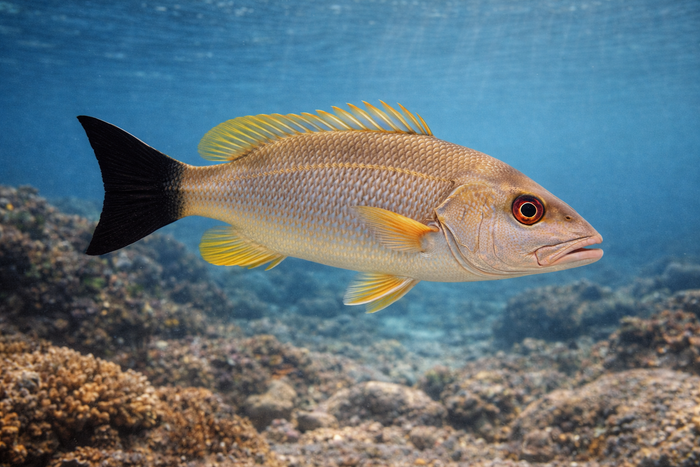
The Blackfin Snapper is no wallflower in the reef world. Sporting a striking red body with a distinctive black spot on its dorsal fin, this fish commands attention both visually and ecologically. Found primarily in the warm waters of the western Atlantic, it’s a favorite target for anglers and a key player in reef ecosystems. If you’re diving into Blackfin Snapper facts, prepare to meet a fish that’s as fascinating as it is formidable.
What Makes the Blackfin Snapper Unique?
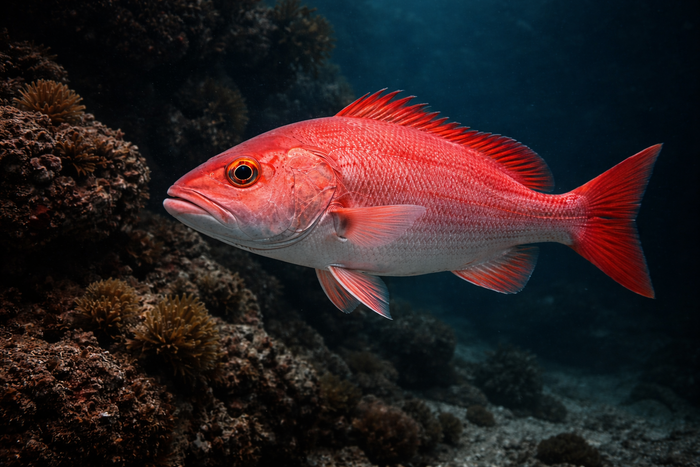
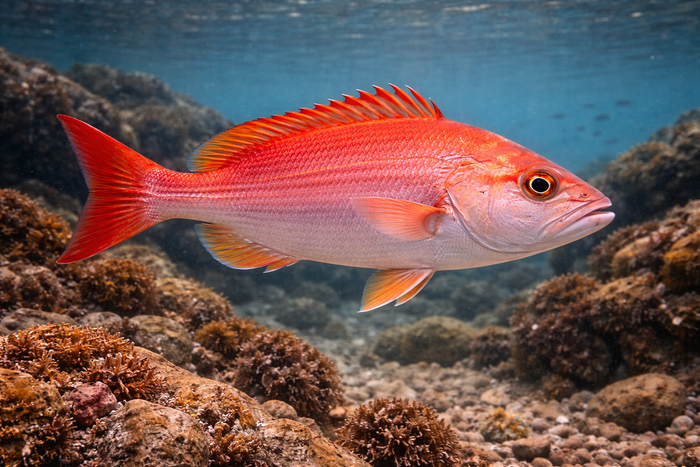
The Blackfin Snapper stands out with its vivid coloration—bright red scales contrasted sharply by a black blotch on the last few rays of its dorsal fin. This isn’t just for show. The dark fin spot acts as a visual signal, confusing predators and competitors alike. Unlike many snappers that blend into coral or rocky bottoms, the Blackfin Snapper’s bold colors make it unmistakable.
Beyond looks, this species exhibits a robust jaw structure and sharp teeth designed for a carnivorous diet. It’s a versatile predator, feeding on smaller fish, crustaceans, and cephalopods. Its ability to adapt its feeding habits based on available prey makes it a resilient hunter in fluctuating reef environments.
Habitat & Global Range
Blackfin Snapper habitat centers around the western Atlantic Ocean, stretching from the southeastern United States down through the Caribbean Sea and into parts of northern South America. They prefer depths ranging from shallow reefs at about 10 meters to deeper drop-offs near 100 meters. This depth range allows them to exploit a variety of ecological niches.
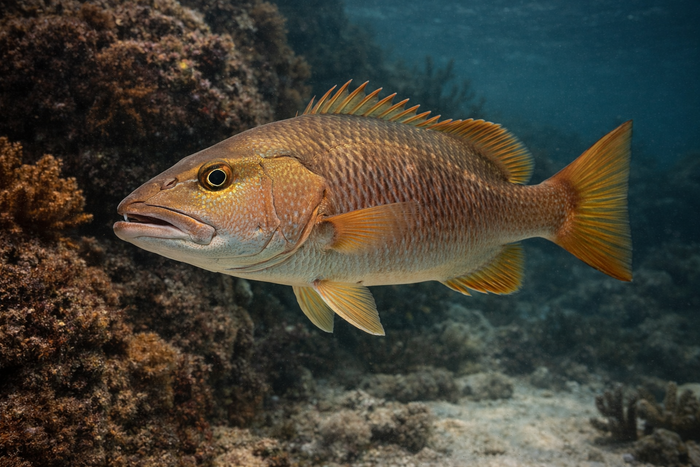
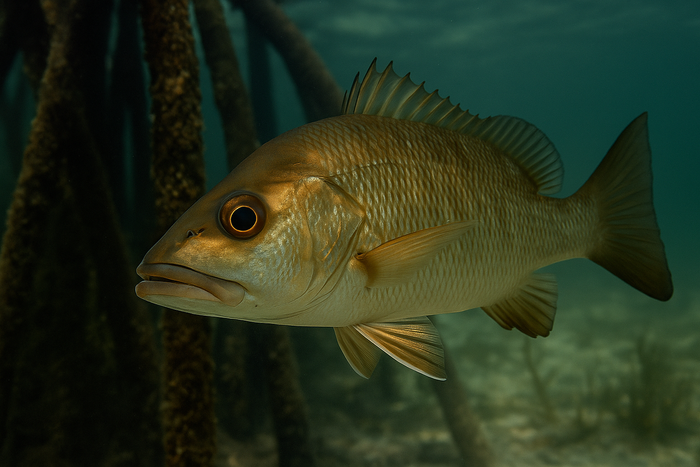
Their affinity for complex reef structures and rocky bottoms provides both shelter and hunting grounds. Juveniles often inhabit shallower, protected areas like seagrass beds or mangroves before migrating to deeper reefs as they mature. This migration pattern is crucial for their development and survival, linking different marine habitats in a life cycle that supports reef biodiversity.
Behavior & Temperament
The Blackfin Snapper is a classic ambush predator. It often lurks near reef ledges or rocky outcrops, waiting patiently for the right moment to strike. Unlike some aggressive snappers that chase prey over long distances, Blackfin Snapper relies on stealth and quick bursts of speed.
Socially, they tend to form small schools, especially during spawning seasons. These aggregations increase reproductive success but also make them vulnerable to overfishing. Outside of these periods, they can be somewhat solitary or found in loose groups.
Their temperament towards divers and fishermen is wary but not overly skittish. They recognize threats and will dart away quickly, but they’re not known for aggressive behavior unless cornered or provoked.
Ecological Importance
Blackfin Snapper plays a vital role in maintaining the balance of reef ecosystems. As mid-level predators, they control populations of smaller fish and invertebrates, preventing any one species from dominating and disrupting the reef’s delicate equilibrium.
Their feeding habits also contribute to nutrient cycling within the reef. By preying on a variety of organisms, they help redistribute energy and nutrients, supporting the overall health of coral communities.
Moreover, Blackfin Snapper serves as prey for larger predators like groupers and sharks, embedding it firmly within the food web. This interconnectedness highlights the species’ importance beyond just its immediate environment.
Conservation & Environmental Pressures
Despite its robust nature, the Blackfin Snapper faces growing threats from human activity. Overfishing is the most significant pressure, especially in Caribbean waters where it’s a popular target for commercial and recreational fisheries. Their tendency to form spawning aggregations makes them particularly susceptible to population declines.
Habitat degradation also poses a serious risk. Coral reef destruction due to climate change, pollution, and coastal development reduces the available shelter and hunting grounds necessary for their survival.
Efforts to manage Blackfin Snapper populations include fishing regulations, seasonal closures during spawning, and marine protected areas. However, enforcement and compliance vary widely across their range, making conservation an ongoing challenge.
The FishyAF Take
The Blackfin Snapper is a fish that demands respect. Its bold appearance and crucial ecological role make it a standout species in the western Atlantic reef systems. Understanding Blackfin Snapper facts reveals a predator finely tuned to its environment, yet vulnerable to human pressures.
For anglers, it offers a thrilling catch; for conservationists, a species that signals the health of reef ecosystems. Protecting the Blackfin Snapper means protecting the reefs themselves—a task that requires science, policy, and a bit of that irreverent FishyAF spirit to keep these waters wild and vibrant. Keep an eye on this fish, because it’s more than just a pretty face with a black fin—it’s a cornerstone of Caribbean marine life.