Dog Snapper (Lutjanus jocu): The Ocean’s Fierce, Flashy Predator You Can’t Ignore
The Dog Snapper is not your average reef fish. With a name as bold as its attitude, Lutjanus jocu commands respect from anglers and marine biologists alike. This species combines brute strength, striking coloration, and a predatory edge that makes it a standout in the snapper family. If you’re diving into Dog Snapper facts, prepare to meet a fish that’s as fascinating as it is formidable.
What Makes the Dog Snapper Unique?
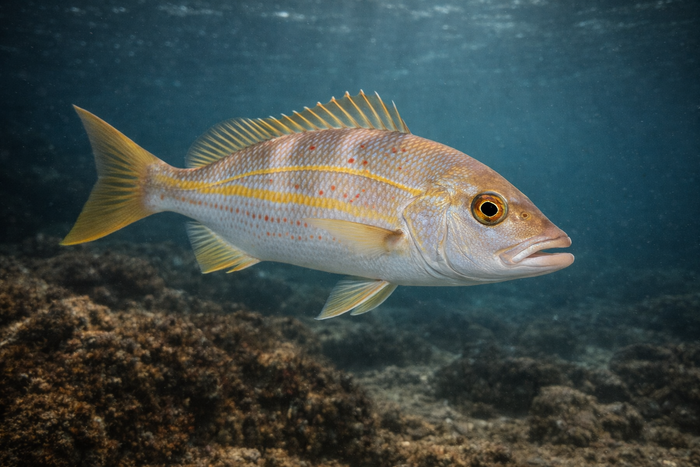
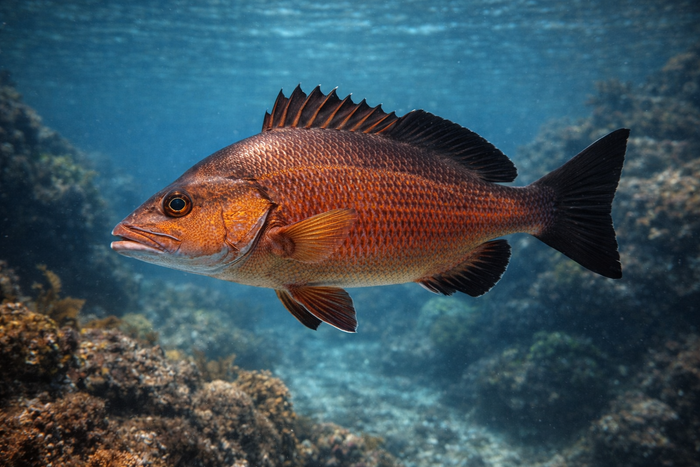
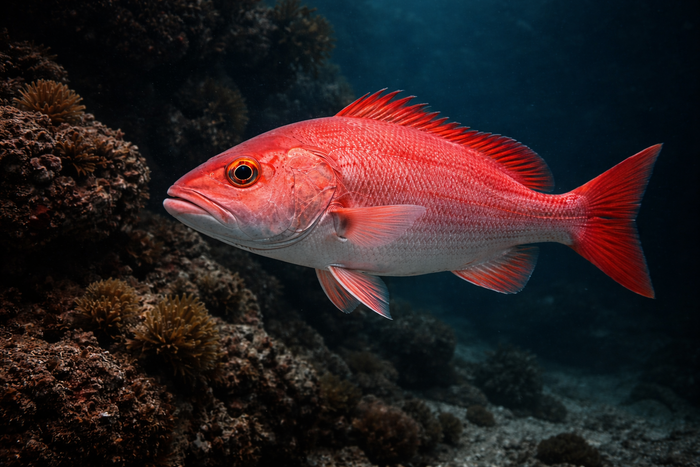
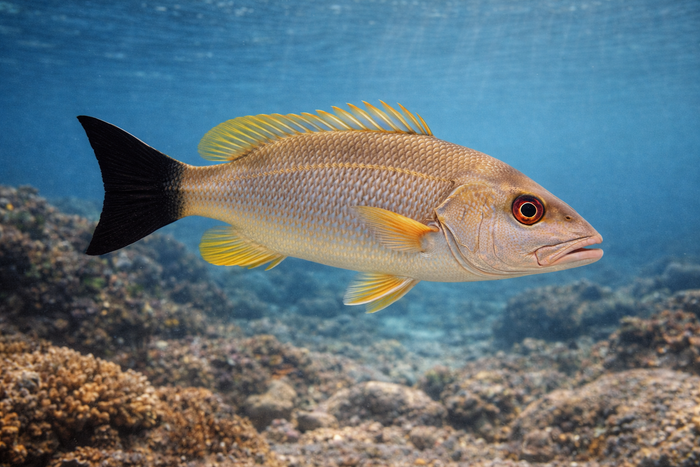
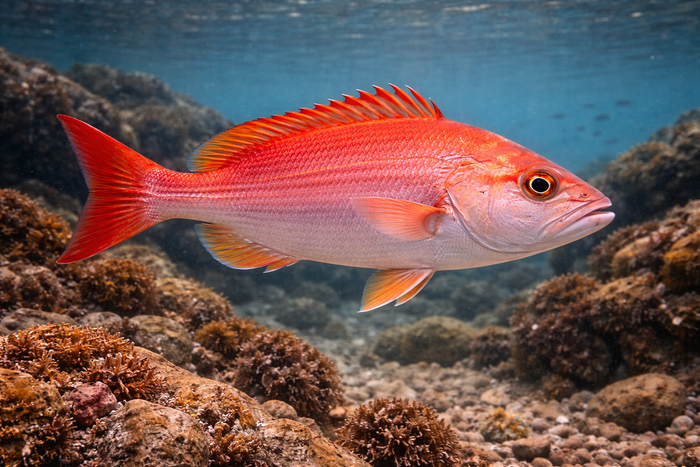
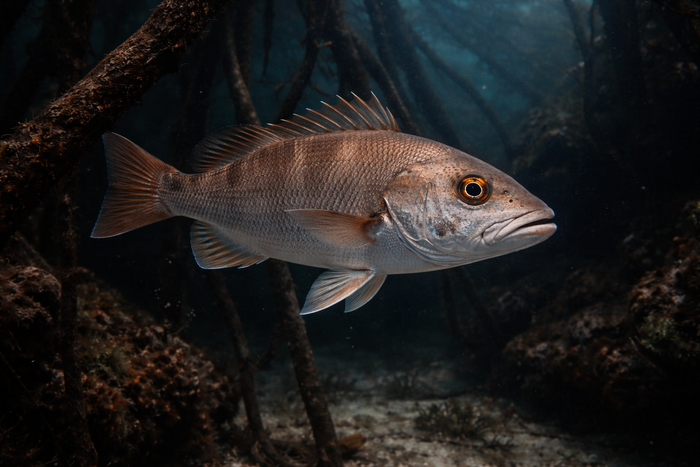
Dog Snapper stands out for several reasons. First, its appearance is unmistakable. Sporting a deep, robust body with a reddish to coppery hue and a distinctive black spot on the upper side near the dorsal fin, it’s a visual signature in the underwater world. The large canine-like teeth—hence the “dog” in its name—aren’t just for show; they’re built for gripping slippery prey.
Unlike many snappers that stick close to reefs, Dog Snapper can be found in a variety of environments, showing impressive adaptability. It’s also known for its aggressive feeding style. This predator doesn’t hesitate to chase down fast-moving prey, including smaller fish and crustaceans. Its powerful jaws and sharp teeth make quick work of its meals.
Habitat & Global Range
Dog Snapper habitat spans a broad swath of the western Atlantic Ocean. From the warm waters of Florida and the Bahamas, down through the Caribbean Sea, and along the northern coast of South America, this species has carved out a niche in tropical and subtropical zones. It prefers rocky reefs, ledges, and wrecks where it can ambush prey, but it’s not limited to shallow waters. Dog Snapper can be found at depths ranging from 10 to over 100 meters, showcasing its versatility.
This fish thrives in habitats with complex structures, which provide both hunting grounds and shelter from larger predators. The mix of coral reefs, rocky outcrops, and artificial structures like shipwrecks creates an ideal playground for the Dog Snapper’s hunting tactics.
Behavior & Temperament
Dog Snapper behavior is a blend of territoriality and opportunistic feeding. These fish are known to be solitary or found in small groups, especially during spawning seasons. They exhibit a bold temperament, often aggressively defending their chosen spots against intruders, including divers and fishermen.
Their hunting strategy is straightforward but effective: lie in wait near cover, then burst out with speed to seize prey. This ambush style makes them excellent predators in their environment. Despite their aggressive feeding habits, Dog Snappers are not mindless killers; they play a calculated role in maintaining the balance of reef ecosystems.
Ecological Importance
Dog Snapper plays a critical role in the health of reef ecosystems. As mid-level predators, they help regulate populations of smaller fish and invertebrates, preventing any one species from dominating and disrupting the ecological balance. Their presence indicates a healthy reef system with sufficient prey and habitat complexity.
Moreover, Dog Snapper contributes to the food web by serving as prey for larger predators such as sharks and groupers. This dual role as predator and prey underscores their importance in maintaining biodiversity and ecosystem resilience.
Conservation & Environmental Pressures
Despite their robust nature, Dog Snapper populations face mounting pressures. Overfishing is a significant threat, especially in regions where they are prized for their size and fighting ability. Their slow growth and late maturity make them vulnerable to population declines if fishing is not managed sustainably.
Habitat degradation also poses a risk. Coral reef decline due to climate change, pollution, and coastal development reduces the available shelter and hunting grounds for Dog Snapper. This loss of habitat can lead to decreased numbers and altered behavior as fish are forced into less optimal areas.
Conservation efforts need to focus on sustainable fishing practices and protecting critical habitats. Marine protected areas and catch limits have shown promise in stabilizing populations, but ongoing monitoring and enforcement are essential.
The FishyAF Take
Dog Snapper is a fish that demands attention. Its combination of striking looks, aggressive behavior, and ecological significance makes it a species worth knowing beyond the usual snapper chatter. For anglers, it’s a trophy fish that tests skill and patience. For conservationists, it’s a bellwether species indicating the health of reef ecosystems.
Understanding Dog Snapper facts and habitat is crucial for anyone invested in marine life or sustainable fishing. This species embodies the complexity of reef dynamics and the challenges facing ocean ecosystems today. Respect the Dog Snapper’s power and role, and it will continue to be a bold, memorable presence beneath the waves.