Lane Snapper (Lutjanus synagris): The Caribbean’s Flashy Predator with a Taste for Trouble
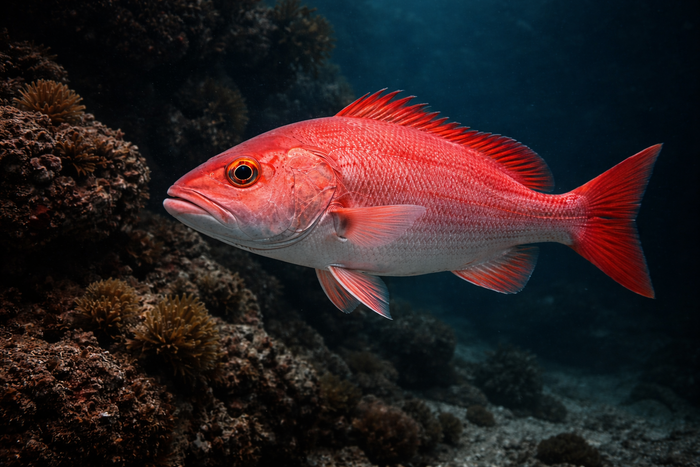
The Lane Snapper is no wallflower. Sporting a vivid palette of pinks, yellows, and reds, this fish commands attention wherever it swims. Found throughout the western Atlantic, it’s a favorite target for anglers and a key player in reef ecosystems. But beyond its flashy looks, the Lane Snapper packs a punch with its behavior, ecological role, and the challenges it faces. If you want to know what makes this fish tick, you’re in the right place.
What Makes the Lane Snapper Unique?
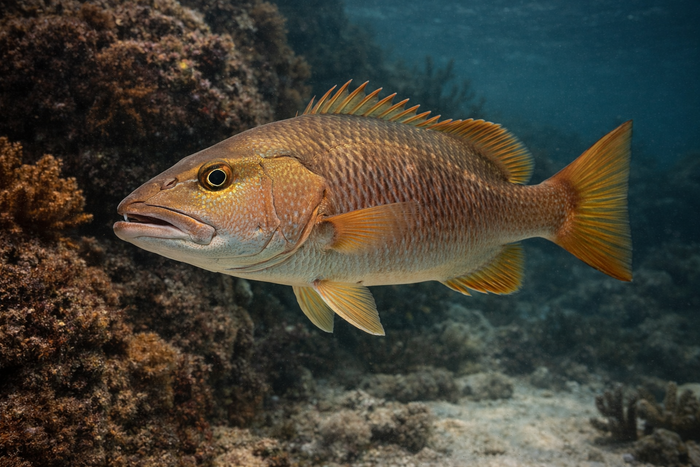
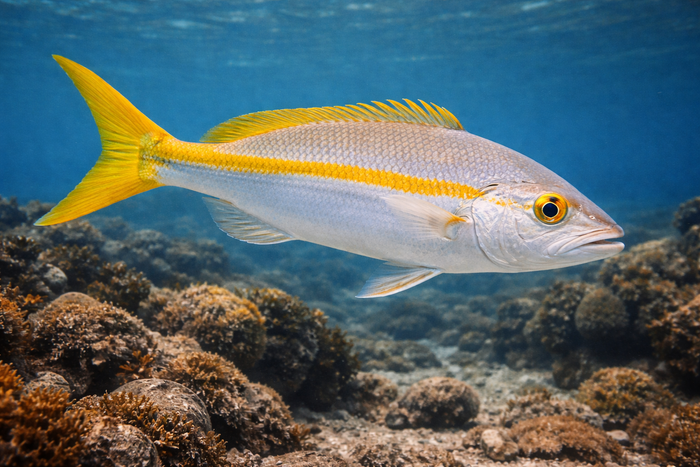
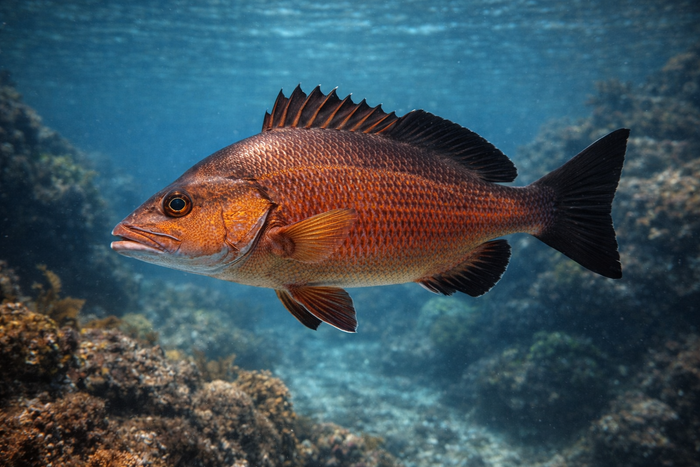
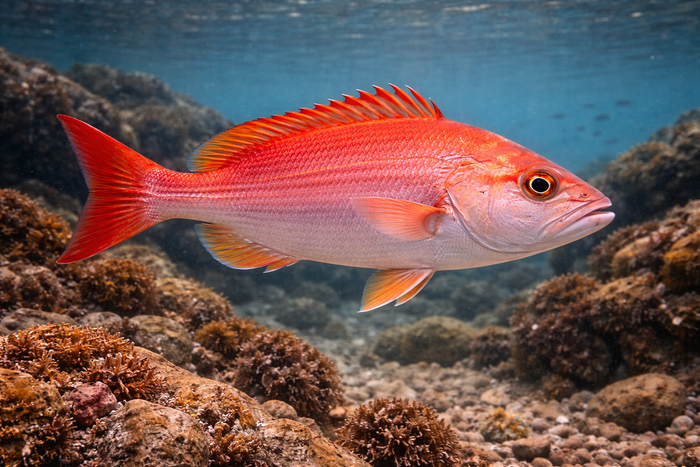
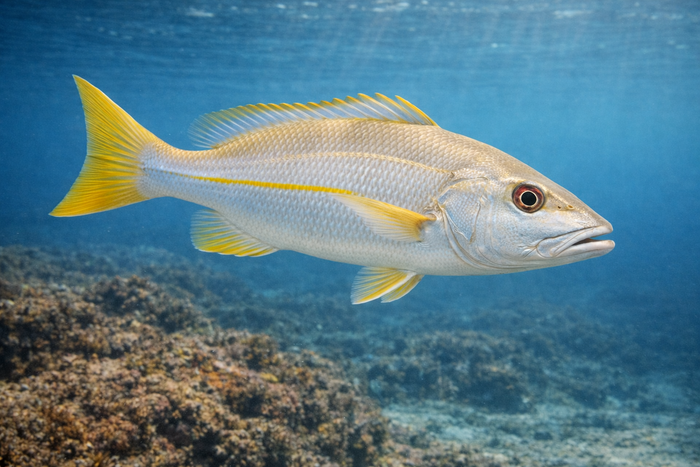
Lane Snapper stands out with its distinctive pattern of thin yellow stripes running longitudinally along its body, intersected by a series of bold red spots. This isn’t just for show. The pattern provides camouflage among coral and rocky reefs, breaking up its silhouette against the dappled light underwater. Unlike some snapper species that grow bulky and slow, Lane Snappers maintain a sleek, streamlined form, making them agile hunters.
Their teeth are sharp and conical, designed for grabbing and holding slippery prey like small fish, shrimp, and crabs. Lane Snapper’s diet versatility is a survival asset, allowing it to thrive in varied conditions. Another unique trait is their spawning behavior: they form large aggregations at specific times and places, a spectacle that draws both predators and fishermen alike.
Habitat & Global Range
Lane Snapper habitat spans the western Atlantic, from North Carolina down through the Gulf of Mexico, the Caribbean Sea, and along the northern coast of South America. They prefer shallow waters, typically between 10 and 100 meters deep, favoring coral reefs, rocky ledges, and sandy bottoms near reef structures. Juveniles often hang out in seagrass beds and mangroves, which serve as nurseries offering protection from predators.
This species is adaptable but shows a clear preference for warm, tropical to subtropical waters. The complexity of their habitat is crucial: the reefs provide shelter and hunting grounds, while adjacent ecosystems like mangroves support early life stages. Lane Snapper habitat is a mosaic of interconnected environments, each playing a role in their life cycle.
Behavior & Temperament
Lane Snapper is a classic ambush predator. It spends much of its time lurking near reef edges or over sandy bottoms, waiting for the right moment to strike. Their hunting style is a mix of patience and sudden bursts of speed. They’re opportunistic feeders, not picky eaters, which helps them capitalize on whatever prey is abundant.
Socially, Lane Snapper can be found alone or in small groups, but during spawning seasons, they form large aggregations. These gatherings are noisy and chaotic, with fish jostling for position and releasing gametes into the water column. Outside of spawning, they’re relatively shy around divers but curious enough to investigate unfamiliar objects.
Temperament-wise, Lane Snapper isn’t aggressive toward humans but will defend territory against smaller fish. Their sharp teeth and quick reflexes make them formidable in their niche, but they’re not the brawlers of the reef world. Instead, they rely on speed, stealth, and numbers when it counts.
Ecological Importance
Lane Snapper plays a pivotal role in reef ecosystems as both predator and prey. By feeding on smaller fish and invertebrates, they help regulate populations that could otherwise overgraze on reef-building organisms or disrupt the balance of the habitat. This predation maintains the health and diversity of coral reefs.
At the same time, Lane Snapper serves as a food source for larger predators like groupers, sharks, and barracudas. Their spawning aggregations provide a feast for these apex hunters, supporting the broader food web. Juveniles contribute to the ecosystem by grazing on algae and small invertebrates in nursery habitats, promoting habitat quality.
Their presence is a sign of a healthy reef system. When Lane Snapper populations decline, it often signals underlying problems such as overfishing or habitat degradation.
Conservation & Environmental Pressures
Lane Snapper faces several threats, primarily from overfishing and habitat loss. Their popularity among recreational and commercial fishers makes them vulnerable to population declines, especially since spawning aggregations are predictable and easily targeted. Overharvesting during these critical periods can severely impact recruitment and long-term population stability.
Habitat degradation is another major concern. Coral reefs, mangroves, and seagrass beds are under pressure from pollution, coastal development, and climate change. As these habitats deteriorate, Lane Snapper lose essential shelter and breeding grounds, compounding the effects of fishing pressure.
Management efforts include seasonal closures during spawning, size limits, and protected areas to safeguard critical habitats. However, enforcement and compliance vary widely across their range. Without coordinated conservation strategies, Lane Snapper populations risk slipping into decline, which would ripple through the entire reef ecosystem.
The FishyAF Take
Lane Snapper is a fish that demands respect. It’s not just a pretty face or a tasty catch; it’s a vital cog in the reef machine. Understanding Lane Snapper facts and habitat is key to appreciating how intricately connected these fish are to their environment and why their conservation matters.
If you’re an angler, targeting Lane Snapper means more than just filling a cooler. It’s about recognizing the timing and location of spawning aggregations and fishing responsibly to ensure these fish stick around for future generations. For divers and reef enthusiasts, spotting a Lane Snapper is a reminder of the reef’s complexity and resilience.
In short, Lane Snapper embodies the bold, colorful, and dynamic spirit of tropical reefs. Protecting them means protecting the reefs themselves. So next time you see those yellow stripes flashing through the water, remember you’re looking at a species that’s as smart and adaptable as it is striking. Keep them wild, keep them thriving.