White Snapper (Lutjanus analis): The Caribbean’s Flashy Predator That Commands Respect
The White Snapper, Lutjanus analis, is a striking marine predator that stands out in the snapper family. Known for its bold coloration and aggressive hunting style, this species is a favorite among anglers and marine enthusiasts alike. It’s not just another fish in the reef; the White Snapper plays a critical role in its ecosystem and offers a fascinating glimpse into the complexity of tropical marine life. If you want to understand what makes this fish tick, you’re in the right place.
What Makes the White Snapper Unique?
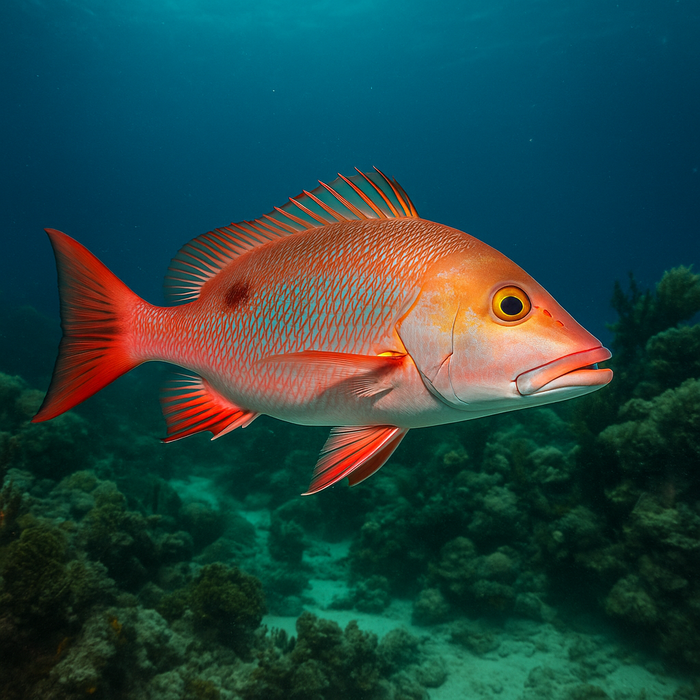
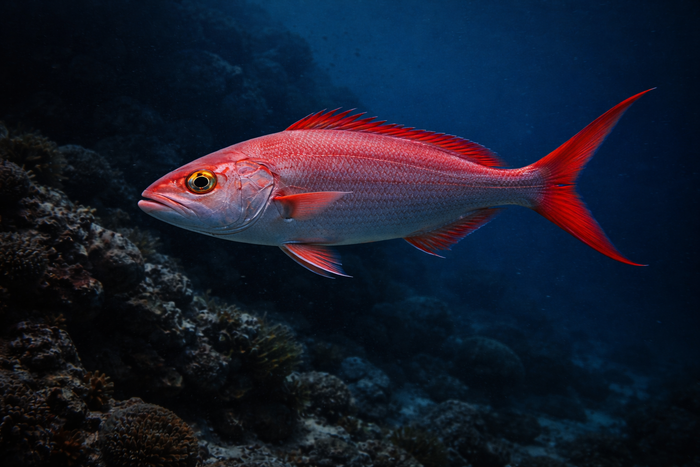
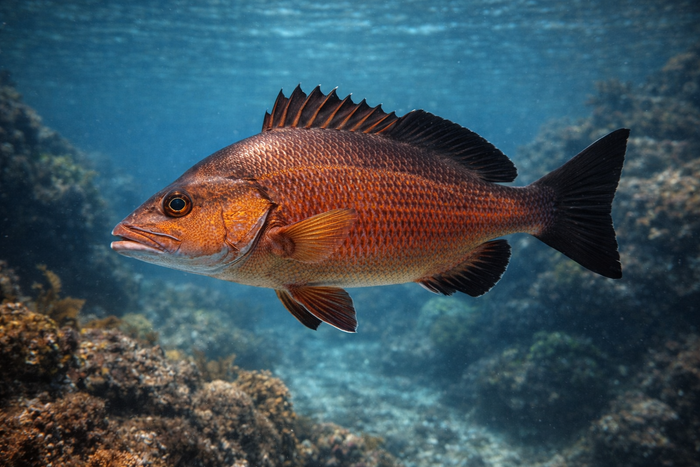
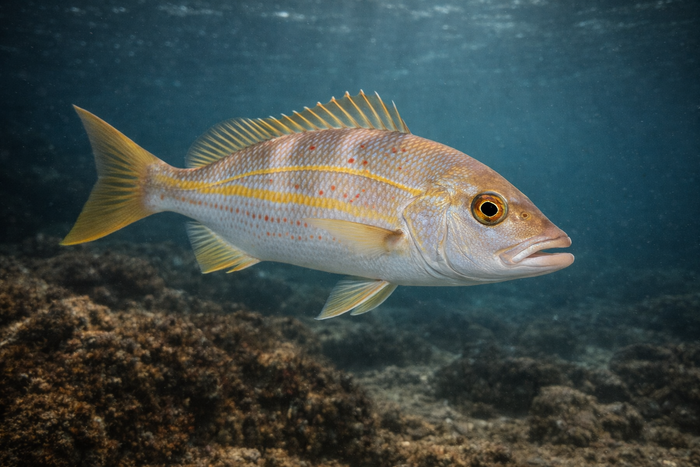
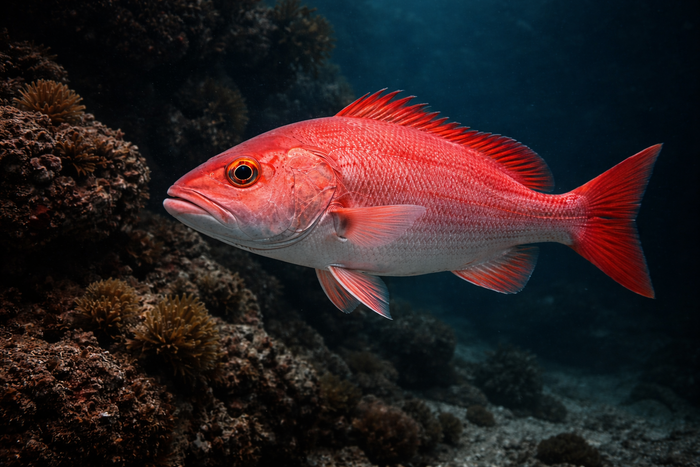
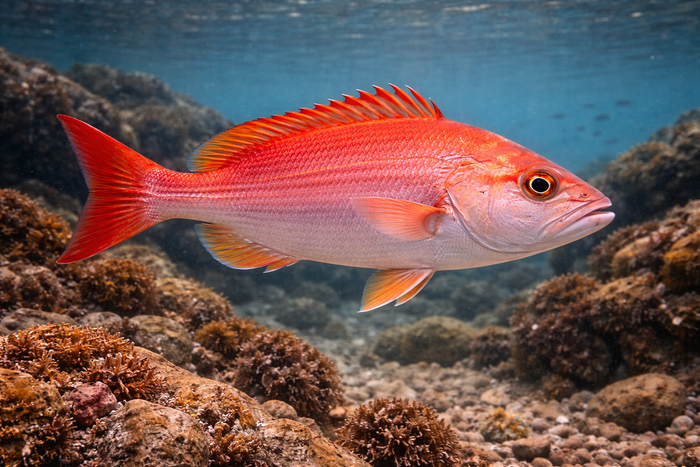
White Snappers are instantly recognizable thanks to their sleek, elongated bodies and a distinctive coloration pattern. Their base color ranges from silvery white to pale yellow, often accented with a subtle pink or reddish hue. The standout feature is the dark spot on the upper side near the pectoral fin, which can sometimes be mistaken for an eye spot to confuse predators or prey. This fish doesn’t just rely on looks; it’s a powerhouse predator with sharp teeth and a strong jaw designed to crush crustaceans and smaller fish.
Unlike many other snapper species, the White Snapper has a more streamlined body, allowing it to dart quickly through coral reefs and rocky bottoms. This speed and agility make it a formidable hunter. It’s also known for its curious nature, often investigating divers and fishermen, which can sometimes lead to bold encounters.
Habitat & Global Range
White Snapper habitat is primarily coastal, favoring warm tropical and subtropical waters. You’ll find them cruising around coral reefs, rocky ledges, and seagrass beds from the western Atlantic, including the southeastern United States, down through the Caribbean Sea, and along the northern coast of South America. They prefer depths ranging from shallow waters around 10 meters to deeper areas up to 100 meters, depending on life stage and food availability.
Their affinity for complex structures like reefs and wrecks provides shelter and hunting grounds. Juveniles often inhabit mangroves and estuaries, which serve as nurseries offering protection from larger predators. This habitat flexibility is a key factor in their survival and distribution.
Behavior & Temperament
White Snappers are solitary hunters but can also be found in small groups, especially during spawning seasons. They are ambush predators, using their speed and camouflage to surprise prey. Their diet mainly consists of smaller fish, crustaceans, and cephalopods, making them apex predators in their immediate environment.
Despite their predatory nature, White Snappers exhibit a curious and somewhat bold temperament. They are not shy around divers or fishermen, sometimes approaching closely, which can be both thrilling and dangerous. Their aggressive feeding behavior means they can dominate smaller reef fish, influencing local population dynamics.
During spawning, White Snappers gather in large aggregations, often at specific reef sites. This behavior is critical for reproduction but also makes them vulnerable to overfishing, as these predictable gatherings are easy targets.
Ecological Importance
White Snapper plays a vital role in maintaining the balance of reef ecosystems. As mid-level predators, they control populations of smaller fish and invertebrates, preventing any one species from overwhelming the habitat. This predation helps maintain biodiversity and supports the health of coral reefs.
Their presence also indicates a healthy reef system. Because they require complex habitats and abundant prey, a thriving White Snapper population often signals good water quality and ecosystem stability. Conversely, declines in their numbers can be an early warning sign of environmental stress or overexploitation.
Conservation & Environmental Pressures
Despite their resilience, White Snapper populations face significant threats. Overfishing is the most pressing issue, especially in the Caribbean and Gulf of Mexico, where they are highly prized for their taste and sport fishing value. The species’ tendency to form spawning aggregations makes them particularly vulnerable to fishing pressure during critical reproductive periods.
Habitat degradation also poses a serious risk. Coral reef destruction, pollution, and coastal development reduce the available habitat for White Snapper at all life stages. Mangrove loss further impacts juvenile survival rates, cutting off essential nursery grounds.
Climate change adds another layer of complexity. Rising sea temperatures and ocean acidification threaten coral reefs and the broader marine environment, indirectly affecting White Snapper by altering prey availability and habitat structure.
Effective management strategies, including fishing regulations, marine protected areas, and habitat restoration, are essential to ensure the long-term survival of this species. Without intervention, we risk losing not just the White Snapper but the intricate ecological roles it fulfills.
The FishyAF Take
The White Snapper is more than just a flashy fish with a cool name. It’s a key player in tropical marine ecosystems, a skilled predator, and a species that commands respect from anglers and conservationists alike. Understanding White Snapper facts and White Snapper habitat is crucial for appreciating its role and the challenges it faces.
If you’re after a fish that combines beauty, brains, and brawn, the White Snapper fits the bill. But don’t let its charm fool you—it’s a species under pressure, and its future depends on smarter fishing and better habitat protection. Keep an eye out for this bold reef dweller next time you’re near tropical waters. It’s a reminder that beneath the waves, survival is a high-stakes game, and the White Snapper plays it like a pro.