Queen Snapper (Etelis oculatus): The Regal Predator of the Deep
The Queen Snapper is no ordinary reef dweller. With its striking red hues and commanding presence, Etelis oculatus stands out among the snappers. This species combines beauty with brawn, making it a prized catch for anglers and a fascinating subject for marine enthusiasts. Understanding the Queen Snapper reveals much about deepwater reef ecosystems and the challenges these fish face.
What Makes the Queen Snapper Unique?
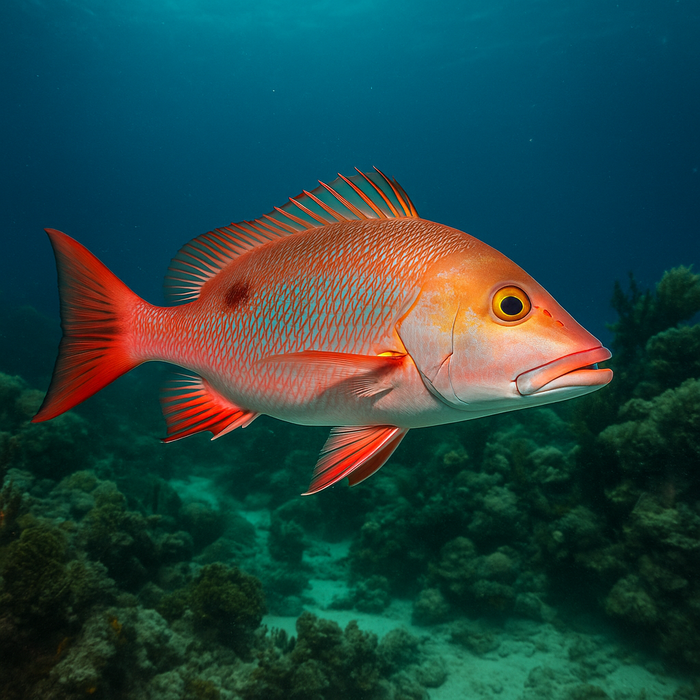
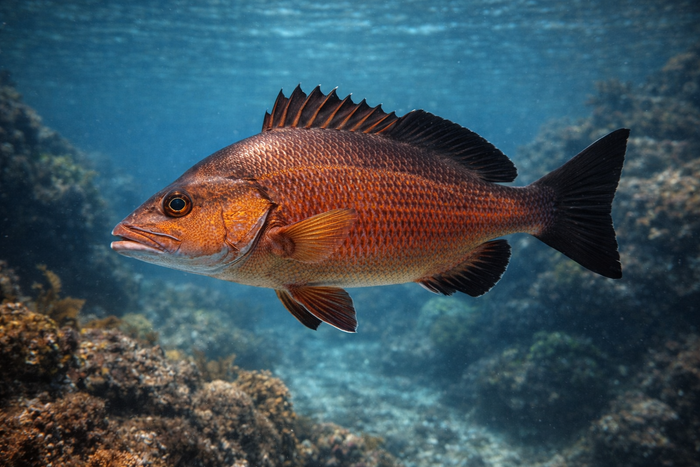
Queen Snapper’s standout feature is its vibrant coloration—a deep crimson body contrasted by bright yellow fins and a distinctive black spot near the tail. This combination isn’t just for show; it serves as a visual cue in the dimly lit depths they inhabit. Unlike many snappers that stick to shallow reefs, Queen Snapper ventures into deeper waters, often between 60 and 300 meters, where light is scarce and pressure is high.
Another unique trait is their elongated body and large eyes, adaptations that enhance their hunting efficiency in low-light conditions. Their diet primarily consists of smaller fish and squid, making them apex predators in their niche. Their slow growth and late maturity set them apart from faster-reproducing reef fish, which has serious implications for their population dynamics.
Habitat & Global Range
Queen Snapper habitat is primarily deepwater reefs and rocky bottoms in the western Atlantic Ocean. Their range extends from the southeastern United States, including the Gulf of Mexico and Caribbean Sea, down to northern South America. They prefer steep underwater slopes and ledges where they can find shelter and ambush prey.
Unlike their shallow-water cousins, Queen Snapper are adapted to cooler, darker environments. This preference for depth means they are less visible to casual snorkelers but are a favorite target for deep-sea anglers. The specific Queen Snapper habitat requirements—depth, structure, and temperature—make them vulnerable to habitat disturbances like deepwater trawling and reef degradation.
Behavior & Temperament
Queen Snapper are solitary hunters, often found alone or in small groups rather than large schools. Their behavior is methodical and calculated, relying on stealth rather than speed. They patrol their territory with a slow, deliberate movement, striking quickly when prey comes within range.
Despite their regal name, Queen Snapper are not aggressive toward humans unless provoked. However, their sharp teeth and powerful jaws demand respect. They are known for their cautious nature, often retreating to deeper crevices when disturbed. This wariness makes them challenging to catch, requiring skill and patience from fishermen.
Ecological Importance
As mid-level predators, Queen Snapper play a crucial role in maintaining the balance of deep reef ecosystems. By preying on smaller fish and squid, they help regulate those populations, preventing any one species from dominating the habitat. This balance supports biodiversity and the overall health of the reef environment.
Their presence also indicates a relatively healthy deepwater reef system. Because they are sensitive to environmental changes and overfishing, stable Queen Snapper populations suggest that the ecosystem is intact and functioning properly. Losing them would disrupt food webs and could lead to cascading effects on reef biodiversity.
Conservation & Environmental Pressures
Queen Snapper face significant conservation challenges. Their slow growth and late reproductive maturity mean populations recover slowly from overfishing. They are highly prized in commercial and recreational fisheries, which has led to localized declines in some areas.
Deepwater fishing techniques, such as bottom longlining and deep traps, increase bycatch and habitat damage. Additionally, habitat degradation from pollution and climate change threatens the delicate reef structures they depend on. Ocean warming and acidification can alter prey availability and reproductive success, compounding the pressures on Queen Snapper populations.
Effective management requires strict catch limits, habitat protection, and monitoring of population trends. Without intervention, the Queen Snapper’s regal status risks being reduced to a relic of the past.
The FishyAF Take
Queen Snapper is a species that demands respect—not just for its striking appearance but for its ecological role and vulnerability. It’s a reminder that the ocean’s deeper realms hold complex, finely balanced ecosystems that are easy to overlook and hard to protect. Anglers and conservationists alike need to recognize that Queen Snapper facts go beyond their flashy colors and tasty fillets. These fish are sentinels of deep reef health, and their survival depends on smarter fishing practices and habitat stewardship.
If you want to truly understand reef dynamics, start with the Queen Snapper. They’re bold, they’re memorable, and they’re a critical piece of the marine puzzle. Treat them well, or risk losing a crown jewel of the deep.