Blue-lined Snapper (Lutjanus kasmira): The Neon-Banded Predator Lighting Up Coral Reefs
The Blue-lined Snapper is not your average reef fish. Sporting electric blue stripes that slice through its yellow body, this species is a vibrant highlight of tropical waters. Known scientifically as Lutjanus kasmira, it’s a staple in Indo-Pacific coral reef ecosystems and a favorite among anglers and underwater photographers alike. This guide dives into the essential Blue-lined Snapper facts, revealing why this fish is as fascinating as it is flashy.
What Makes the Blue-lined Snapper Unique?
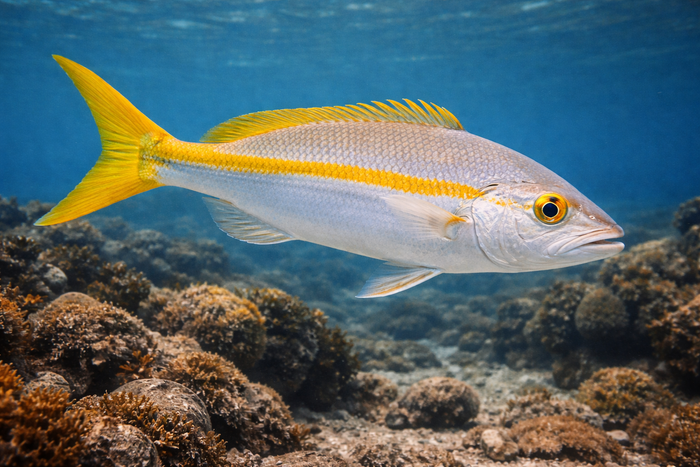
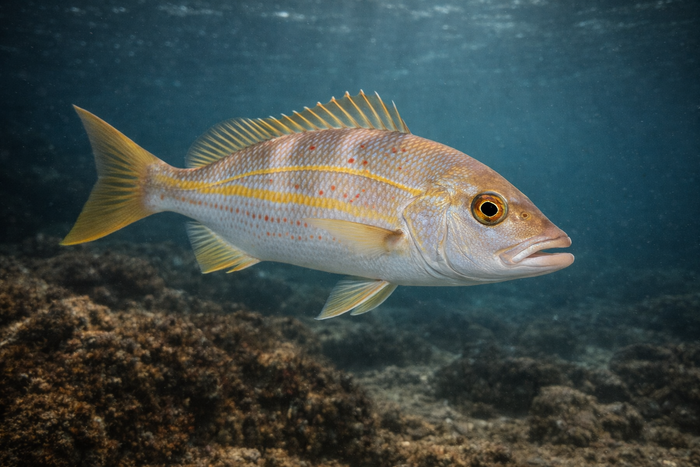
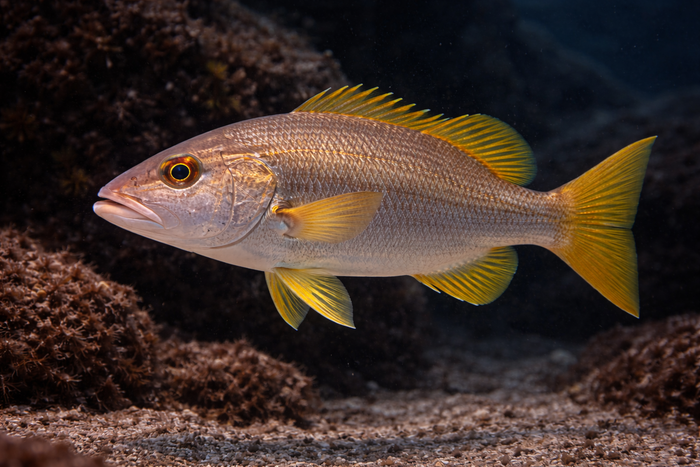
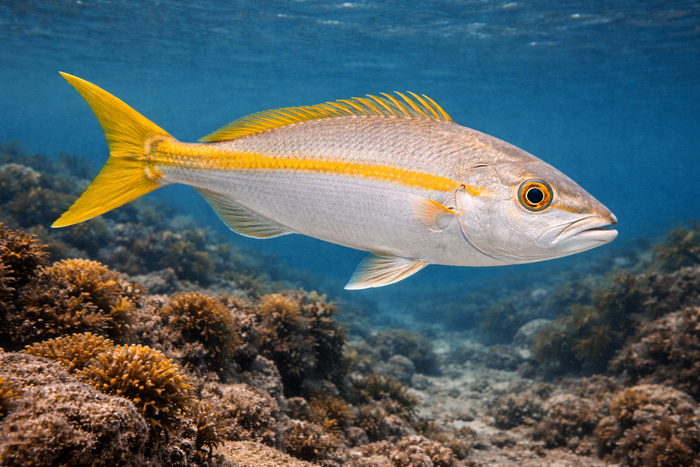
The Blue-lined Snapper stands out with its striking coloration—bright yellow with four to six vivid blue horizontal lines running from snout to tail. This isn’t just for show; the pattern provides camouflage among the reef’s complex light and shadow play. Unlike many snappers that lean toward solitary or small groups, Blue-lined Snappers often form large schools, sometimes numbering in the hundreds. This schooling behavior is both a defense mechanism and a hunting strategy.
Physiologically, they have sharp canine teeth suited for gripping slippery prey, mainly small fish and crustaceans. Their robust body shape and powerful jaws make them efficient mid-level predators. Unlike some snapper species that prefer murky or deeper waters, Blue-lined Snappers thrive in clear, shallow reef environments, making their colors even more vivid and noticeable.
Habitat & Global Range
Blue-lined Snapper habitat is primarily coral reefs and rocky substrates in tropical and subtropical waters. Their range spans the Indo-Pacific region, from the eastern coast of Africa and the Red Sea across to the Hawaiian Islands and French Polynesia. They are often found at depths ranging from 1 to 50 meters, favoring lagoons and seaward reef slopes where currents bring a steady supply of plankton and small fish.
This species is adaptable but remains tied to reef structures for shelter and breeding grounds. Juveniles tend to inhabit shallow reef flats and protected bays, while adults move to deeper reef slopes. Their presence is a reliable indicator of healthy reef systems, as they depend on complex habitats for feeding and protection.
Behavior & Temperament
Blue-lined Snappers are social fish with a strong schooling instinct. Schools can be tight-knit and synchronized, moving as a single entity to confuse predators and increase hunting efficiency. They are diurnal hunters, actively feeding during daylight hours and seeking shelter at night within reef crevices or caves.
Despite their bright colors, they are not aggressive toward divers or larger fish unless provoked. However, they can become territorial during spawning periods. Their diet consists mainly of small fish, shrimp, and other crustaceans, caught with quick bursts of speed and precision.
Their schooling behavior also plays a role in predator avoidance. By moving in large groups, they reduce individual risk and can overwhelm predators with sheer numbers. This social dynamic is a key survival strategy in the predator-rich reef environment.
Ecological Importance
Blue-lined Snappers occupy a crucial niche in coral reef ecosystems. As mid-level predators, they help regulate populations of smaller fish and invertebrates, maintaining ecological balance. Their feeding habits contribute to controlling prey species that might otherwise overgraze algae or disrupt reef health.
They also serve as prey for larger predators like groupers, sharks, and barracudas, linking lower and higher trophic levels. Their schooling behavior influences reef dynamics by creating mobile nutrient hotspots, as their excretions fertilize surrounding coral and algae.
Additionally, Blue-lined Snappers contribute to the reef’s biodiversity and aesthetic value, attracting tourism and supporting local fisheries. Their presence signals a functioning reef system, making them important both ecologically and economically.
Conservation & Environmental Pressures
While not currently classified as endangered, Blue-lined Snapper populations face threats from overfishing, habitat degradation, and climate change. Reef destruction due to coral bleaching, pollution, and coastal development reduces available habitat and breeding grounds. Overfishing, especially in regions where they are a popular food fish, can lead to population declines and disrupt reef food webs.
Their schooling nature makes them vulnerable to mass capture techniques like netting, which can quickly deplete local populations. Climate change poses a long-term threat by altering water temperatures and acidifying oceans, stressing coral reefs and the species that depend on them.
Conservation efforts focus on sustainable fishing practices, marine protected areas, and reef restoration projects. Monitoring Blue-lined Snapper populations provides valuable data on reef health and the effectiveness of conservation measures.
The FishyAF Take
The Blue-lined Snapper is a reef superstar—vibrant, social, and ecologically vital. Its bold colors and schooling behavior make it a standout in the underwater world, but these traits also expose it to unique risks. Understanding Blue-lined Snapper facts and habitat needs is essential for preserving these fish and the reefs they call home.
If you’re diving or fishing in the Indo-Pacific, spotting a school of Blue-lined Snappers is a reminder of the reef’s complexity and resilience. But it’s also a call to action: protect their habitat, respect fishing limits, and support reef conservation. This flashy snapper isn’t just a pretty face; it’s a key player in marine ecosystems that deserves our attention and care.